In 1948, few U.S. households had a television. By 1955, sets were a common sight.
So “before TV” here means before television was common in most homes, not some ancient world without electricity. It was the radio era, and it was loud, social, and surprisingly packed. You weren’t bored. You were busy.
Here are 27 things Americans actually did for fun before television was common in most homes.
1. Listened to Radio Dramas
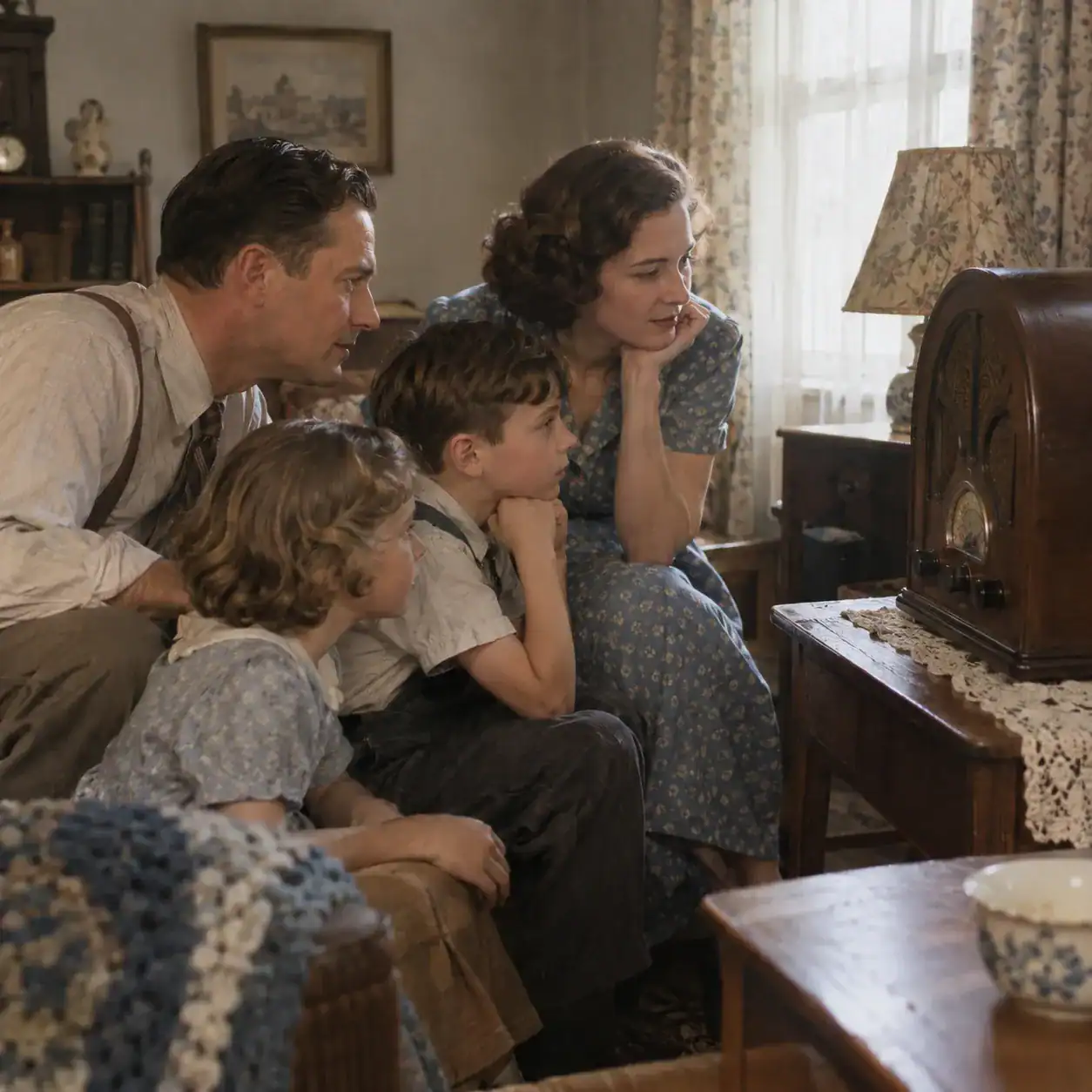
Radio brought entertainment into American homes long before television became common. Families gathered around one set for detective serials, soap operas, and children’s adventure shows.
Children’s adventures like The Lone Ranger kept listeners coming back. One machine, one room, everybody listening.
The Lone Ranger debuted on Detroit’s WXYZ in January 1933. It galloped in to the William Tell Overture.
Tonto joined the show a few weeks later, in February 1933.
Ma Perkins followed that August on Cincinnati’s WLW, selling Oxydol laundry soap. It was an early soap-opera favorite.
The 1940 census found a radio in about 83 percent of American households.
2. Tuned In to Live Sports and Concerts
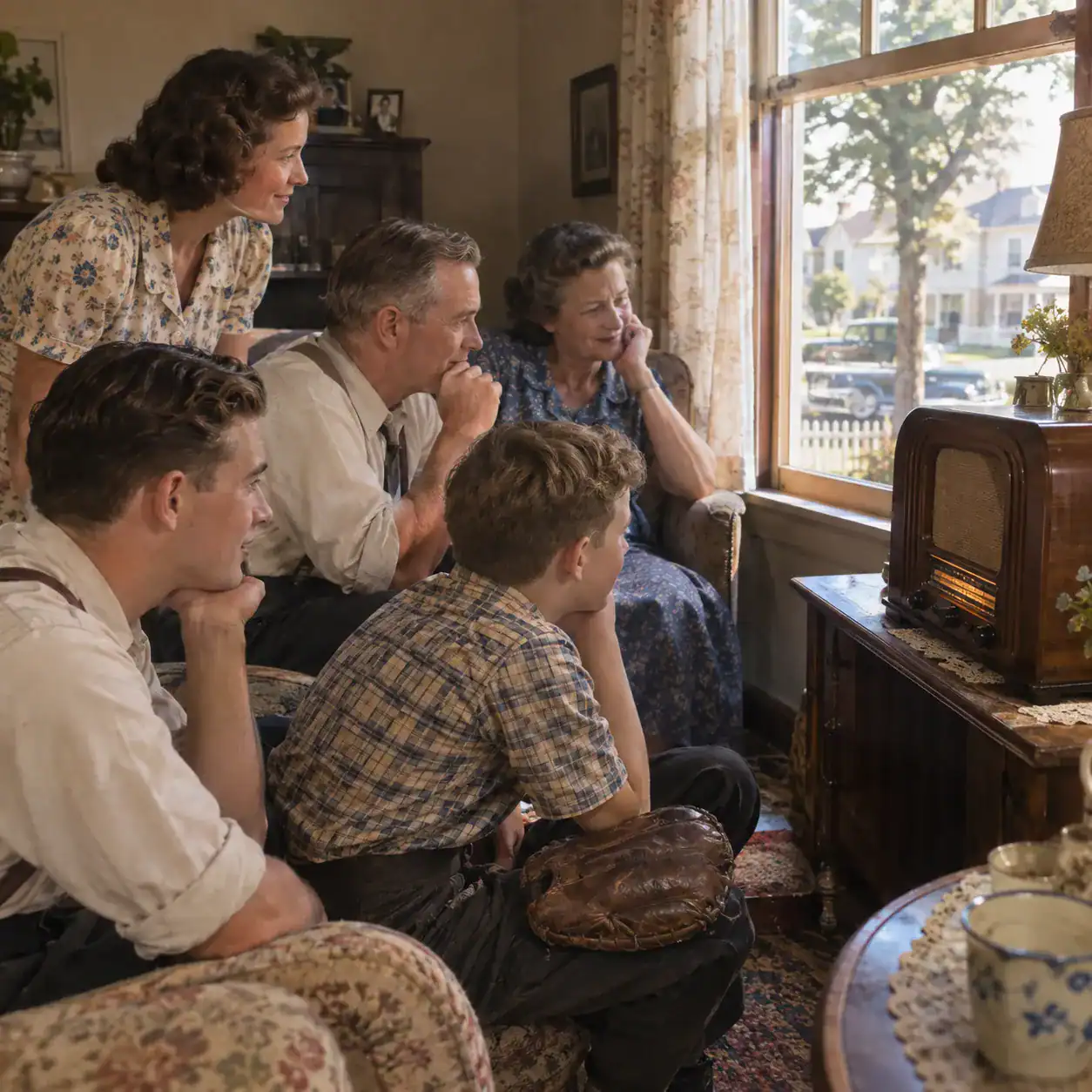
Sports broadcasts and live concerts were appointment listening on the radio.
The same set carried a game, a concert, or a presidential fireside chat. Listening could be a family occasion.
On August 5, 1921, KDKA’s Harold Arlin called the first radio broadcast of a major league game.
He worked from Forbes Field in Pittsburgh, talking into a converted telephone. The Pirates beat the Phillies 8-5.
On June 22, 1938, an estimated 60 million or more tuned in for the Joe Louis-Max Schmeling rematch.
It lasted 2 minutes and 4 seconds.
3. Laughed at Radio Comedy
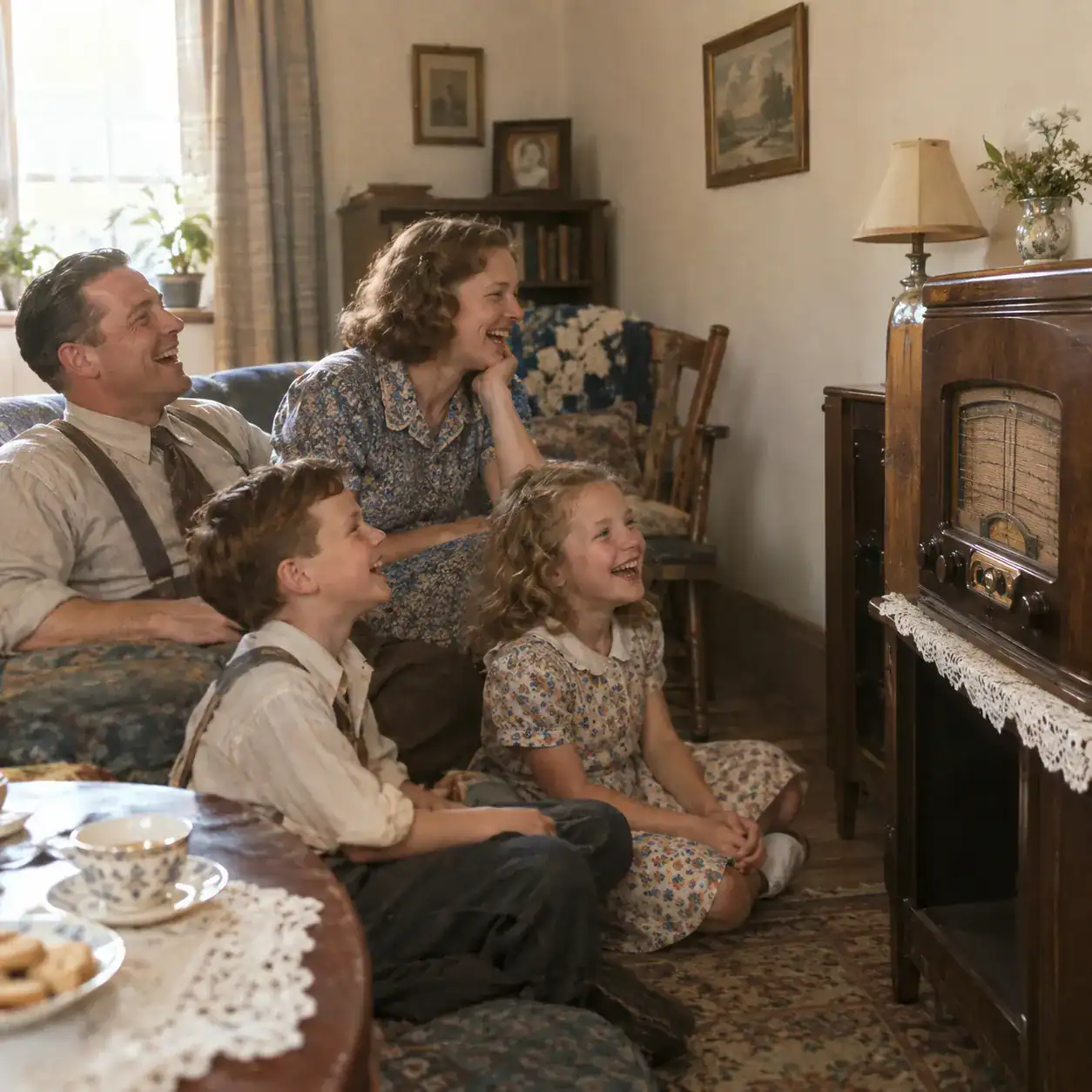
Fibber McGee and Molly, Jack Benny, Bob Hope, and Edgar Bergen with Charlie McCarthy were household company.
You could spend the evening with those familiar comic voices without leaving home.
From October 1934, General Foods sponsored Jack Benny, and he greeted listeners with “Jell-O again.”
Wartime sugar rationing ended the Jell-O ads in 1942.
On March 5, 1940, Fibber McGee’s overstuffed hall closet first spilled open. It became one of radio’s best-known gags.
Announcer Harlow Wilcox was written into the story, sneaking in plugs for sponsor Johnson’s Wax.
4. Turned Up Barn-Dance Radio
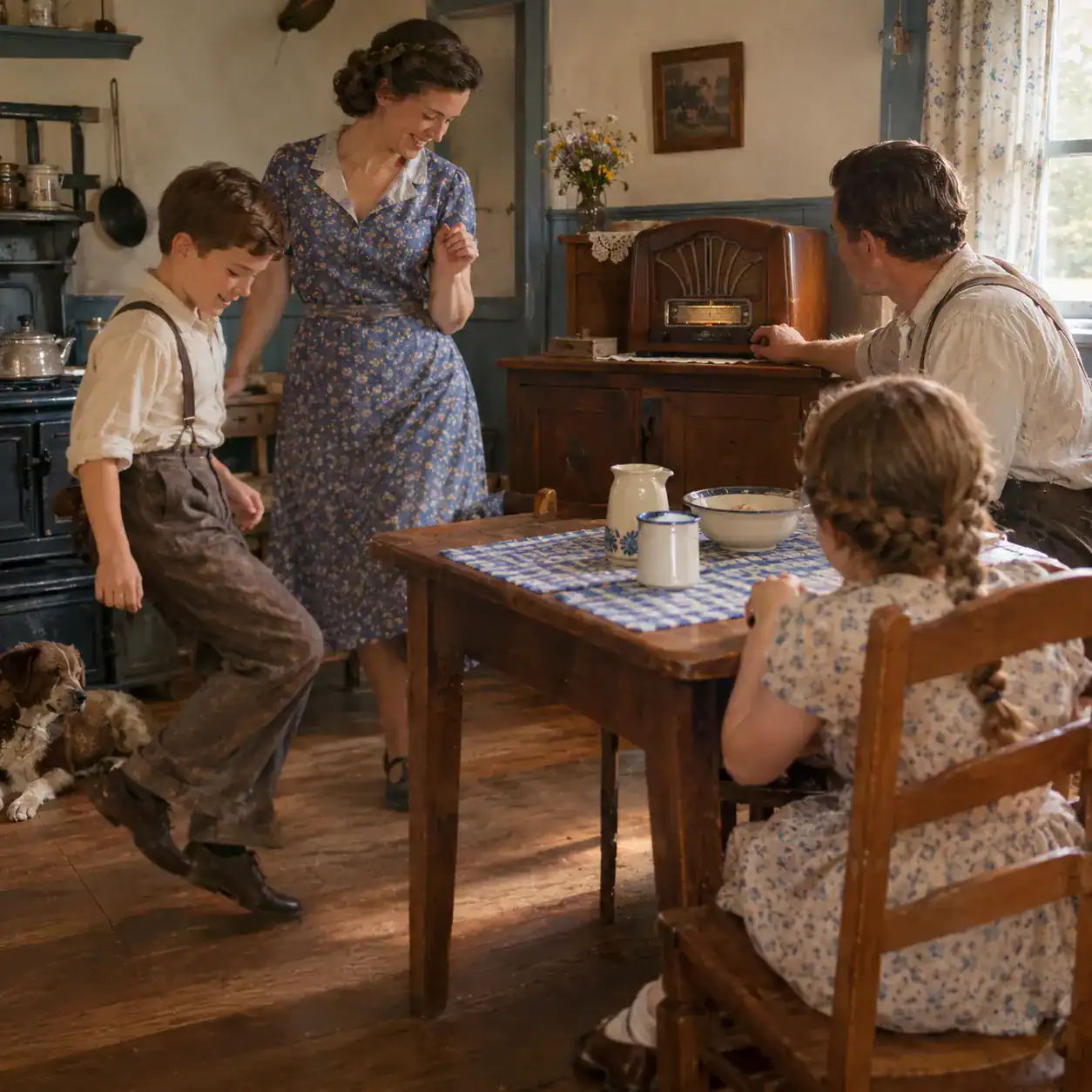
Shows like National Barn Dance brought rural string bands into kitchens across the country.
The barn-dance radio format also brought communities together in person. East Tennessee’s Tennessee Jamboree was one such local program, distinct from National Barn Dance.
WLS in Chicago first aired National Barn Dance on April 19, 1924.
At the Eighth Street Theatre, it sold out 1,200 seats for two shows every Saturday night.
George D. Hay launched Nashville’s WSM Barn Dance in November 1925 with 77-year-old fiddler Uncle Jimmy Thompson.
In 1927 it took a new name: the Grand Ole Opry.
5. Went to the Movies Every Week
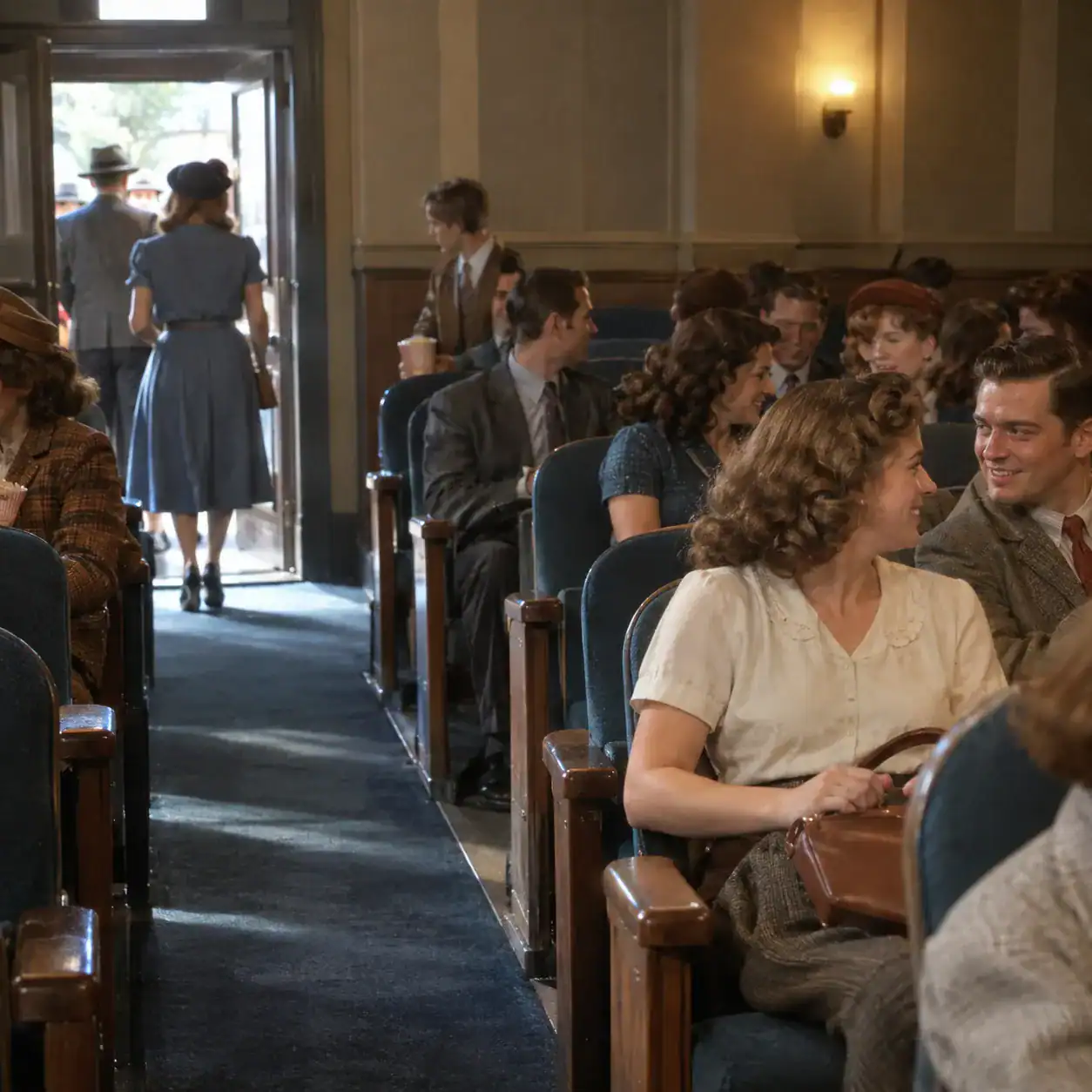
In the mid-1940s, weekly U.S. movie attendance totaled roughly 80-90 million admissions.
Repeat visits counted toward that total. Comedies, gangster films, and musicals gave audiences plenty of reasons to return.
During the Depression, Seattle theaters cut prices. The Paramount offered a double bill for 35 cents.
Seattle’s Capitol charged 10 cents until 7 p.m. and 15 cents after.
Giveaways helped too. One Seattle theater handed women a silver spoon for buying tickets after 6 p.m.
Dish nights went further: one piece of a china set per visit, so finishing the set meant coming back.
6. Took the Whole Family to a Drive-In
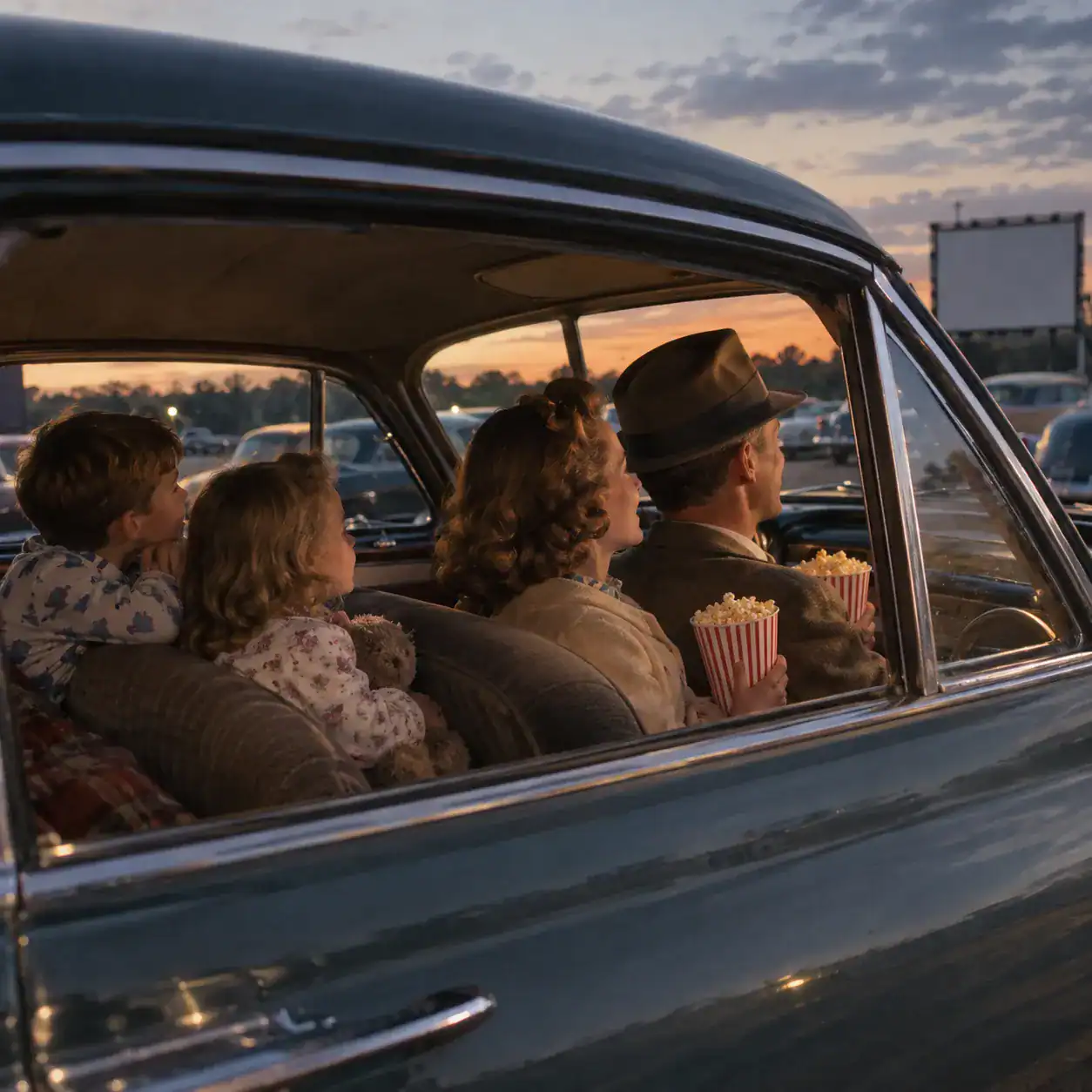
Postwar car culture made movies portable. Kids in pajamas, parents in the front seat, popcorn everywhere.
It felt less like a screening and more like a small community event.
Richard Hollingshead opened the first drive-in on June 6, 1933, in Pennsauken, New Jersey, near Camden.
It cost 25 cents per car plus 25 cents per person, and no group paid more than $1.
His slogan: “The whole family is welcome, regardless of how noisy the children are.”
Industry estimates put U.S. drive-ins at 548 in 1947 and 2,830 in 1951.
7. Danced at the Ballroom
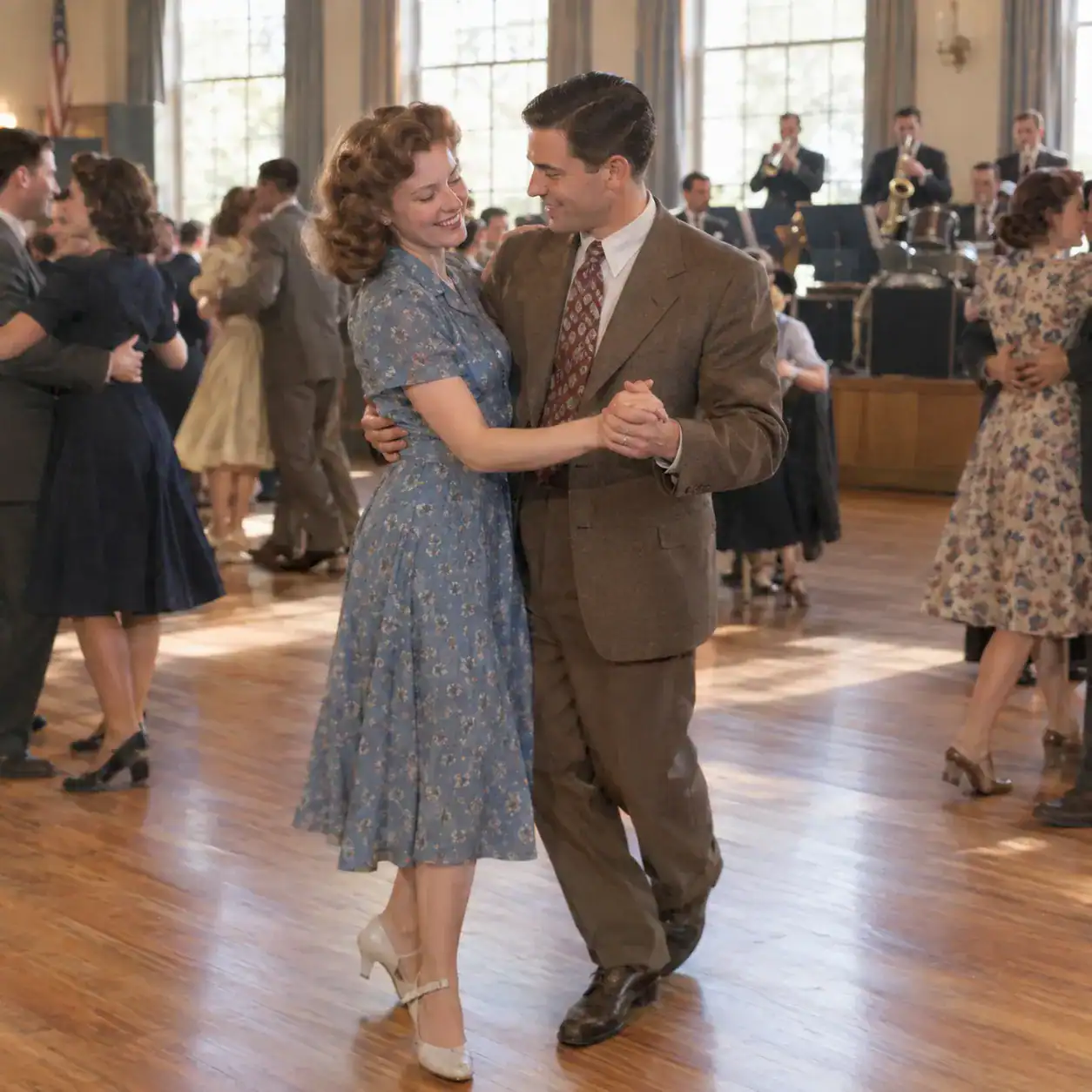
Big bands from Duke Ellington to Benny Goodman and Glenn Miller toured dance halls and ballrooms.
The Totem Pole Ballroom at Norumbega Park was one stop on the big-band circuit. For young people, dances were a place to meet and court.
Harlem’s Savoy Ballroom opened on March 12, 1926, on Lenox Avenue. Opening week turned 2,000 people away.
Admission ran 30 to 85 cents.
The Lindy Hop grew up on its floor, named, the story goes, for Charles Lindbergh.
The Savoy kept the music going until 1958.
8. Went Nightclub Dancing
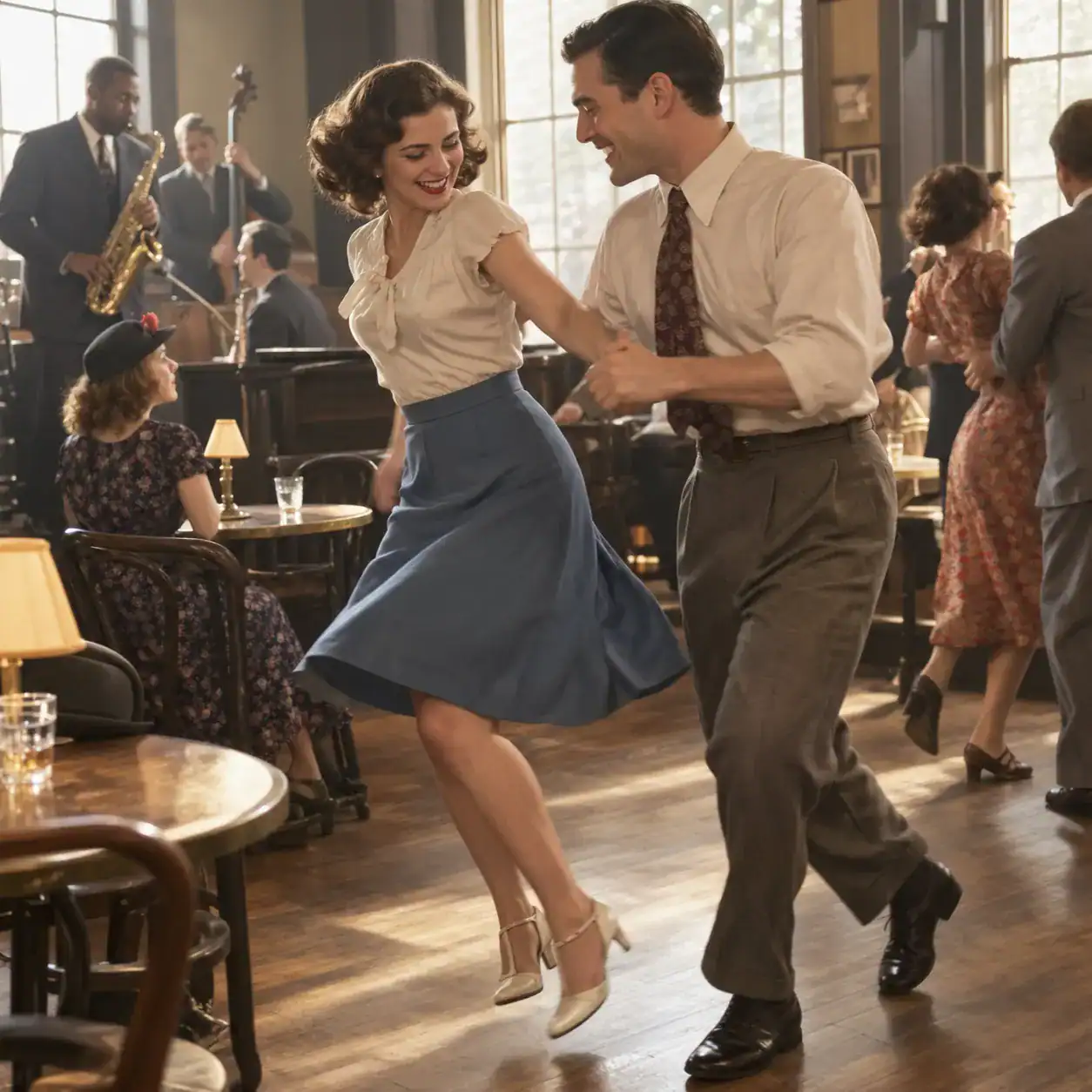
Nightclub entertainment persisted under Prohibition-era restrictions. The later swing boom brought another draw: the big-band music that dominated much of the 1930s and 1940s.
The dance floor was social life with a cover charge.
New York’s Stork Club, open from 1929 to 1965, was the country’s best-known nightclub in the 1930s and 1940s.
In 1945, its cover charge was $2 after 10 p.m., and $3 on Saturdays and holidays.
Around 1946, the Copacabana’s minimum ran about $3 on weeknights and $4 on Saturdays.
9. Played Parlor Games
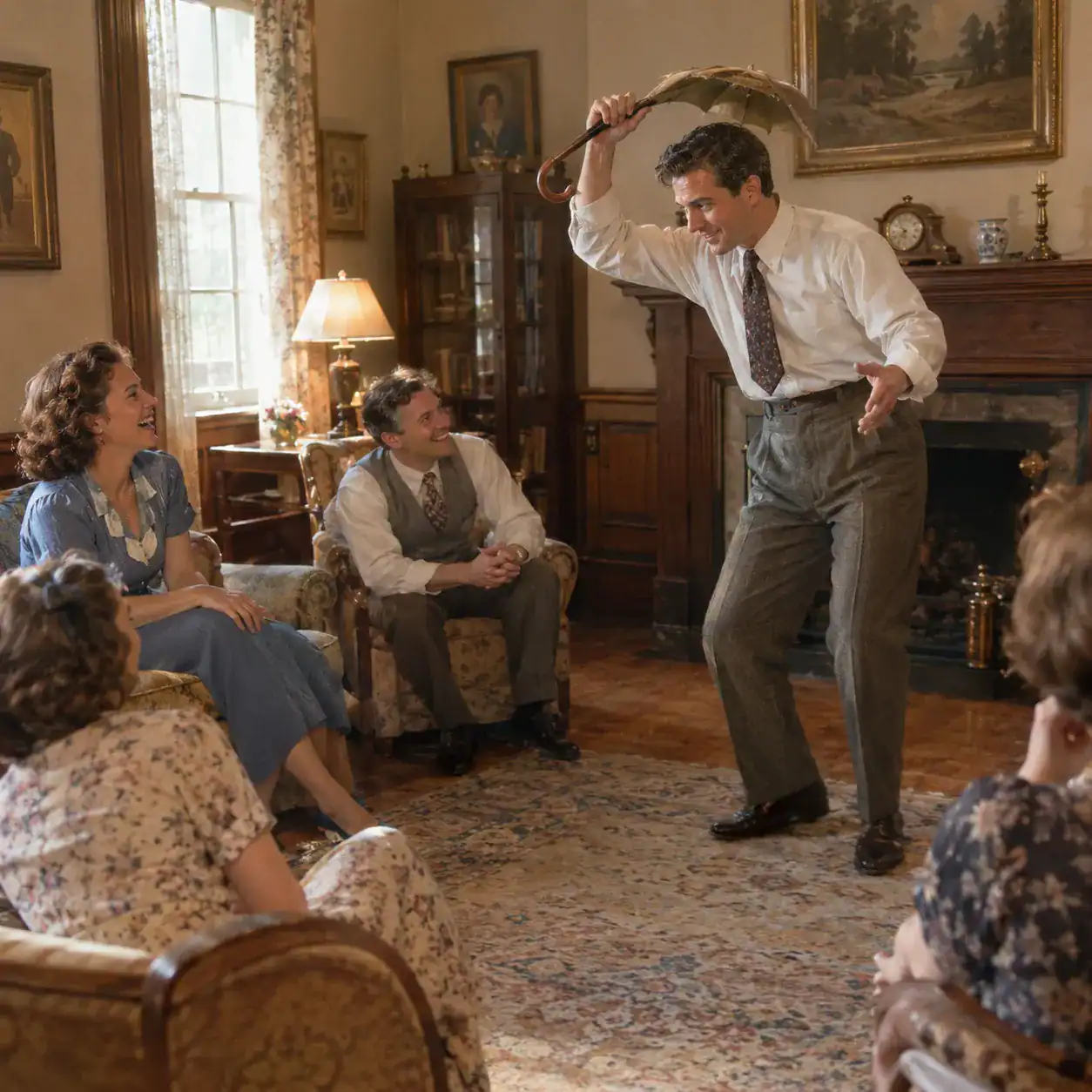
Charades, Blind Man’s Buff, riddles, and rebuses needed almost no equipment.
They made a living room loud for free.
Their heyday came in the late 1800s and early 1900s, but they lasted well into the radio era.
Blind Man’s Buff goes back at least to Henry VIII’s courtiers and was a Victorian parlor favorite.
Twenty Questions brought its “animal, vegetable, or mineral?” guessing game to radio on February 2, 1946.
At home, the company supplied the entertainment: a riddle to puzzle over, a charade to act out, another shared laugh.
10. Fought Over Board Games
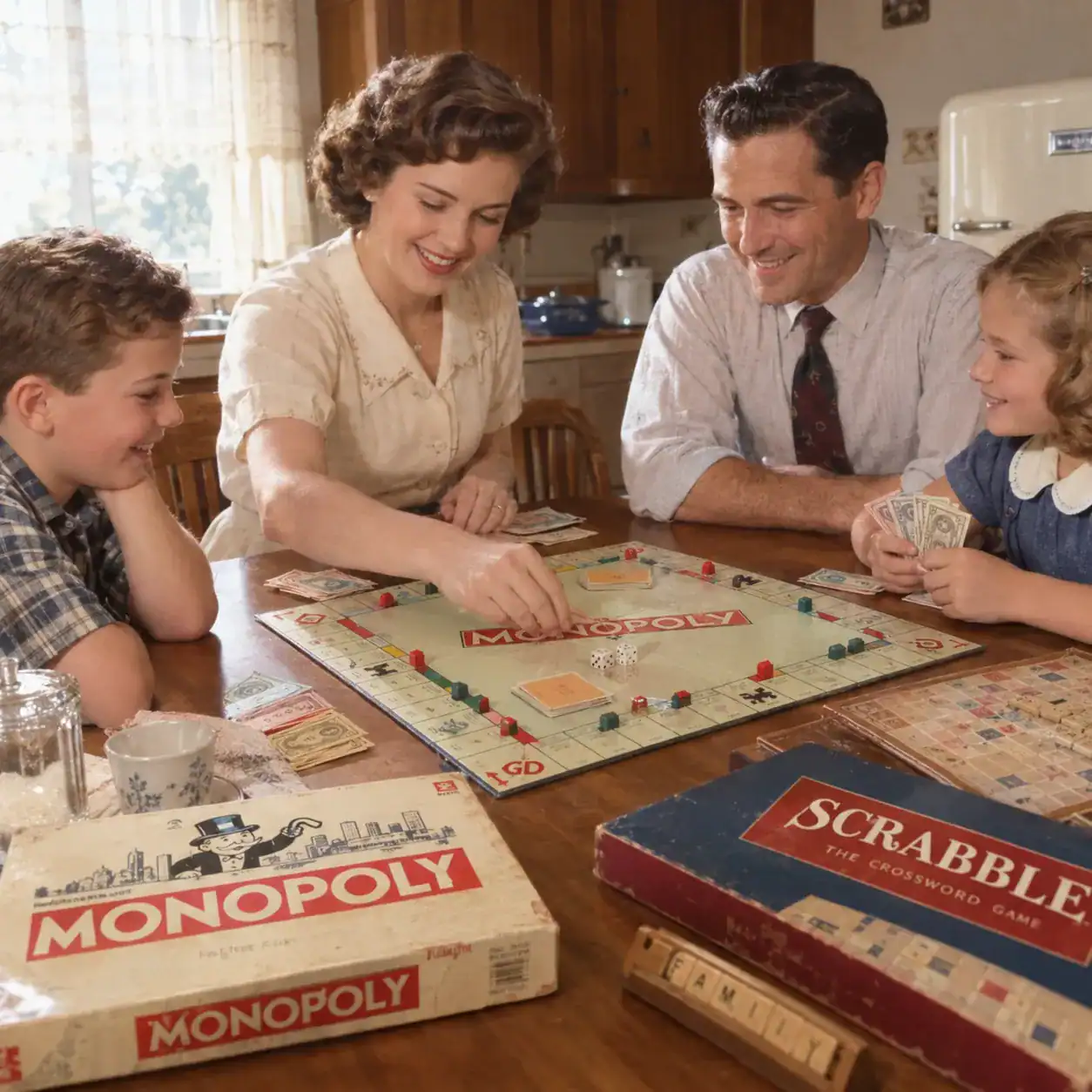
Monopoly, Scrabble, and checkers turned the family table into a battlefield.
Postwar production made the games easier to find, too.
Parker Brothers put Monopoly on sale in 1935, in the middle of the Depression. A set cost $2.
It was America’s best-selling game that year, and Parker Brothers was turning out 35,000 copies a week.
Scrabble began in 1938 as “Criss-Crosswords,” designed by an architect named Alfred Mosher Butts.
James Brunot of Newtown, Connecticut, bought the rights in 1948 and named it Scrabble. The word means “to grope frantically.”
11. Worked Jigsaw Puzzles
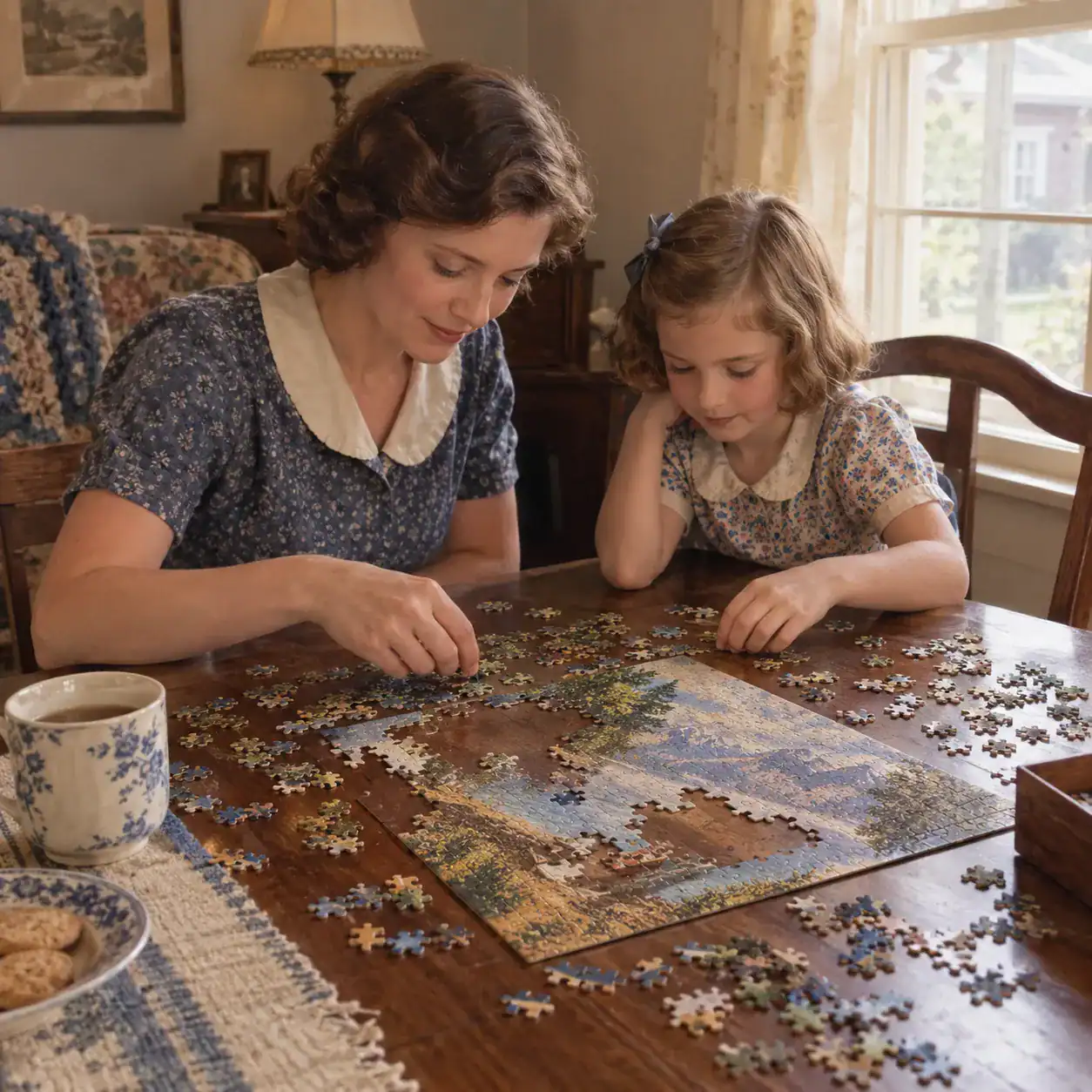
Families left large puzzles on the living-room table and worked them a little at a time.
Weekly puzzle releases turned the hobby into a real craze.
The weekly puzzle arrived in autumn 1932, sold on newsstands right alongside the magazines.
One title, “Jig of the Week,” cost 25 cents, and a new picture landed every Wednesday.
Rivals soon followed, with names like Picture Puzzle Weekly, B-Witching Weekly, Jiggers Weekly, and Movie Cut-Ups.
Sales peaked in early 1933, at about 10 million puzzles every single week.
12. Played Cards With Neighbors
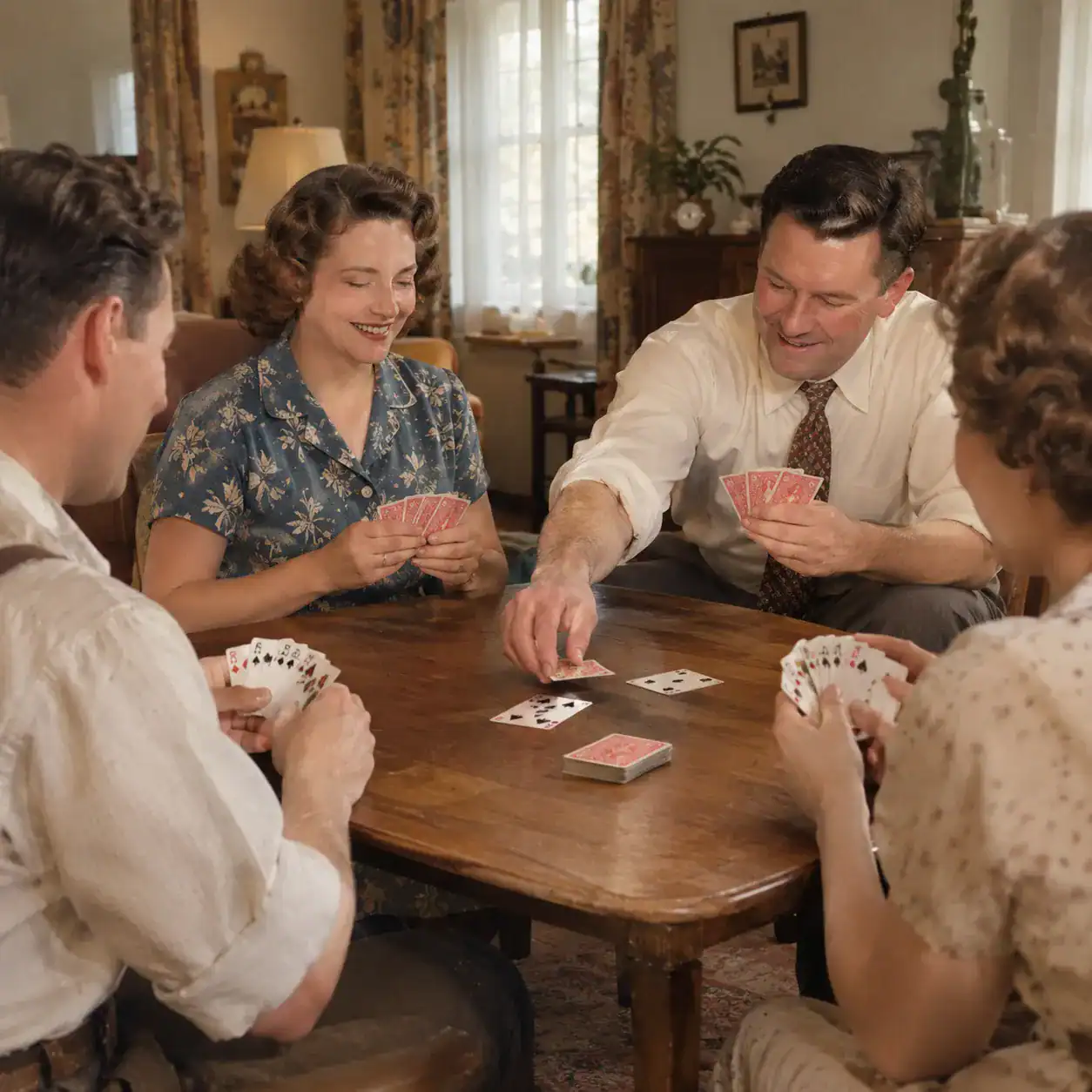
Bridge and pinochle were long-running staples. Canasta arrived in the late 1940s and became a fast-moving fad.
All you needed was a deck and a table.
Contract bridge began around 1926 and was a national rage by 1931.
In winter 1931-32, Ely and Josephine Culbertson beat Sidney Lenz in a match that newspapers covered for weeks.
Canasta was invented in Montevideo, Uruguay, in 1939. Josefina Artayeta de Viel brought it to the U.S. in 1949.
By the 1950s it was a craze, with its own card trays and rule books.
13. Skated at the Roller Rink
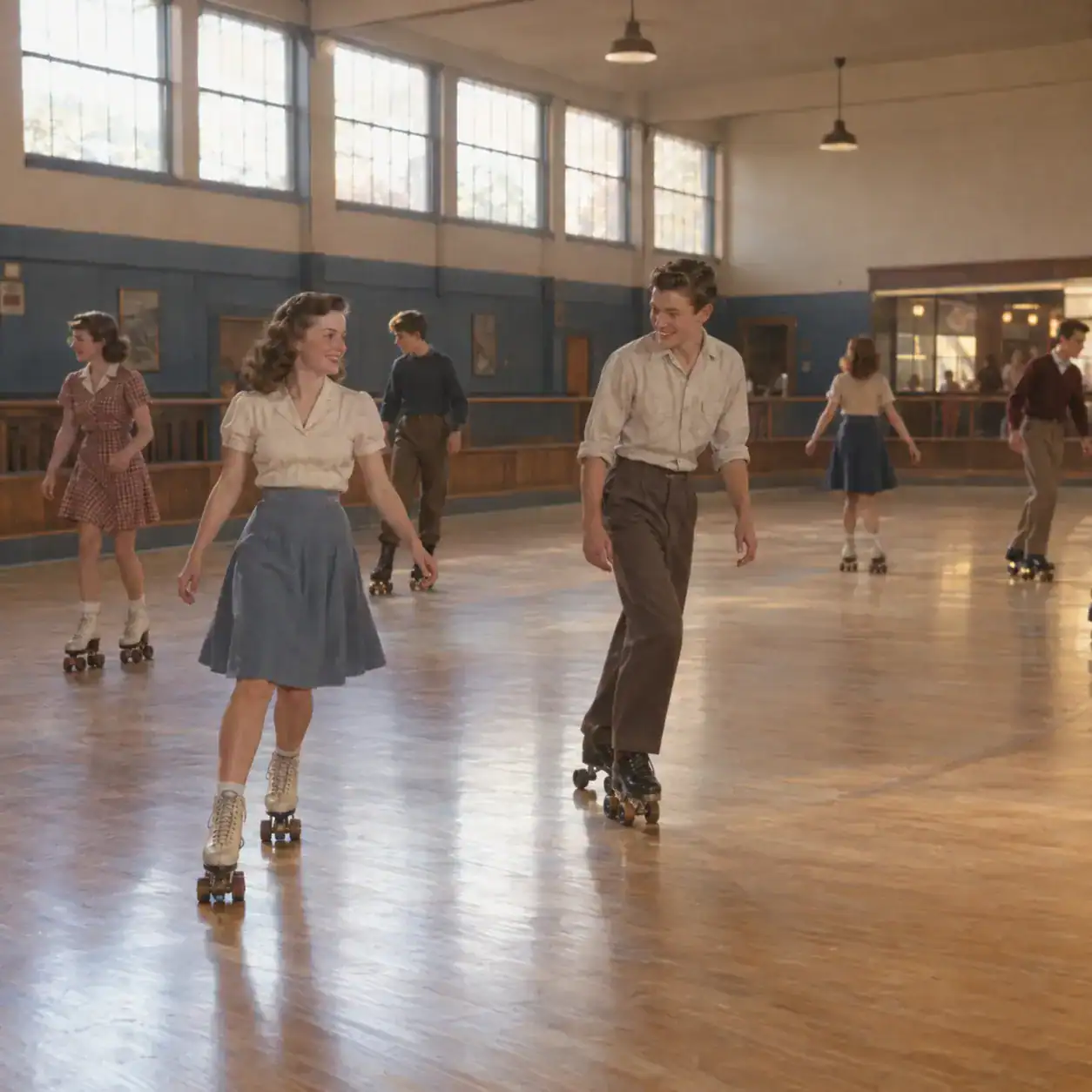
The Golden Age of Roller Skating ran from about 1937 to 1959. America had roughly 5,000 rinks and about 18 million skaters at the peak.
It was the country’s number-one participatory sport and a favorite teen meeting spot.
The Roller Skating Rink Owners Association formed in 1937. Chicago and the Midwest were considered the hobby’s center.
On August 13, 1935, about 20,000 fans filled the Chicago Coliseum for Leo Seltzer’s Transcontinental Roller Derby.
Many rinks played organ music: Wurlitzers in the 1930s and ’40s, Hammond electrics in the ’40s and ’50s.
Sessions alternated “all skates” with “couples skates.”
14. Spent the Day at an Amusement Park
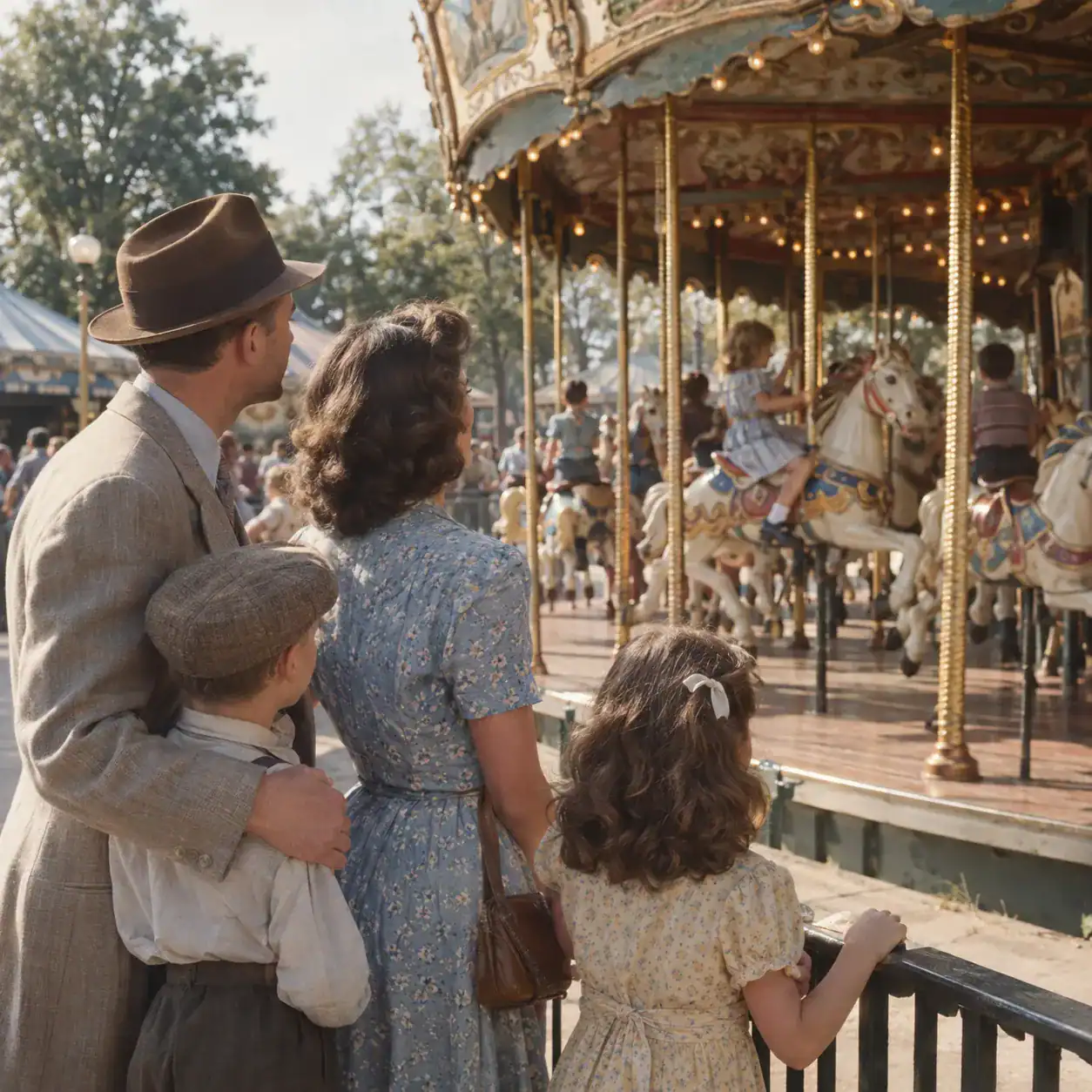
Families rode the rides, swam, ate, and watched one another.
In segregated 1930s-40s Oklahoma City, the Black community traveled to Lyons Park near Arcadia for swimming, dancing, and traveling carnivals.
Back East, New York’s Coney Island was nicknamed “the Nickel Empire” for the 5-cent subway ride there.
By the 1920s, summer days could bring up to a million people. The boardwalk was finished in 1923.
The Cyclone roller coaster opened there on June 26, 1927. A ride cost a quarter, five times the subway fare.
15. Played Sandlot Baseball
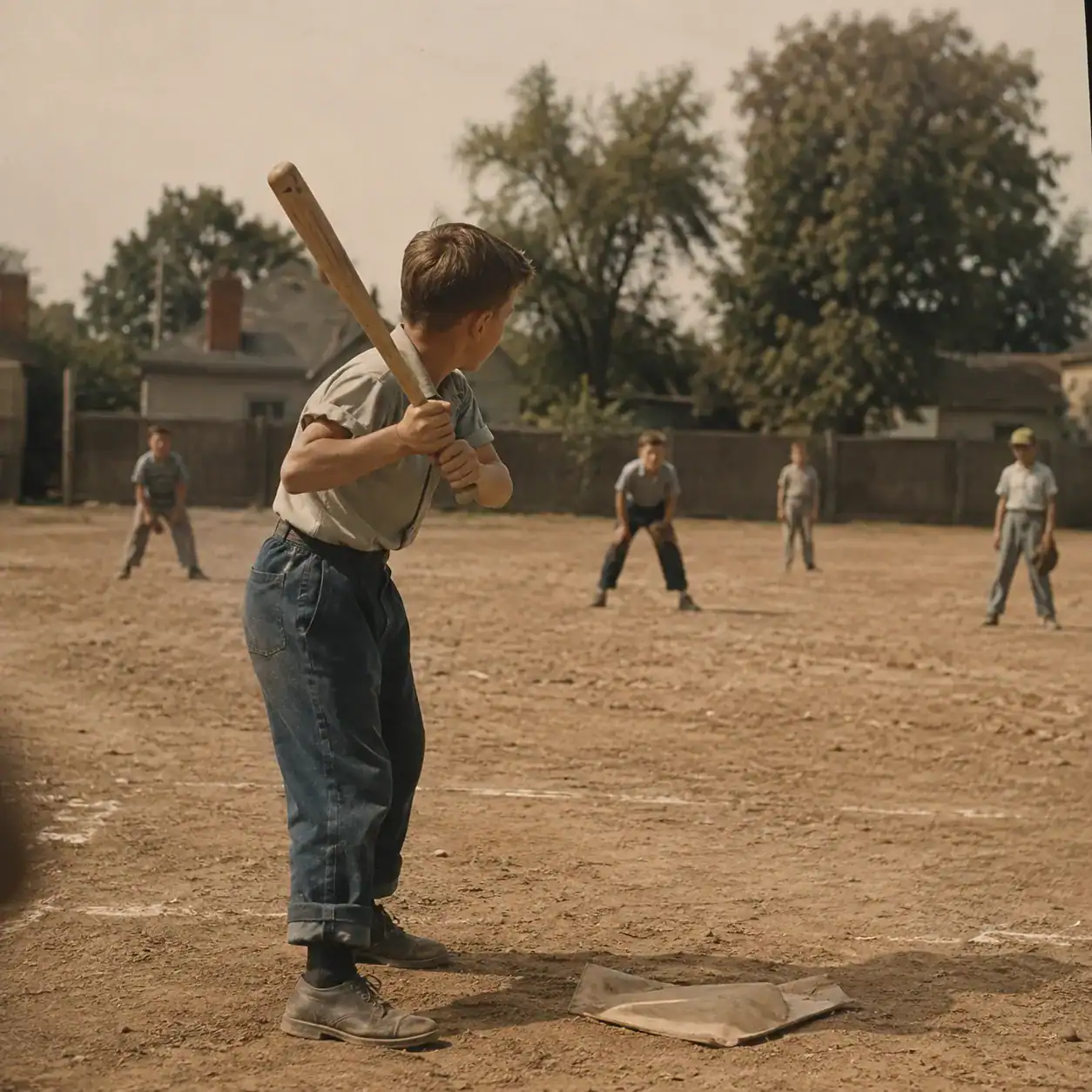
Baseball was the national pastime, and kids played their own version in empty lots.
No league. No schedule. Just gloves, bats, and somebody’s window at risk.
In Milwaukee, sandlot baseball peaked during the Depression, “when frugal entertainment was prized.”
Some Milwaukee sandlot games drew more than 20,000 spectators. The teams faded after World War II.
In 1939, the grown-ups got involved. Carl Stotz started Little League in Williamsport, Pennsylvania.
Fifty-six businesses turned him down. Then a lumber company, a dairy, and a pretzel maker paid $30 each.
16. Sat on the Front Porch
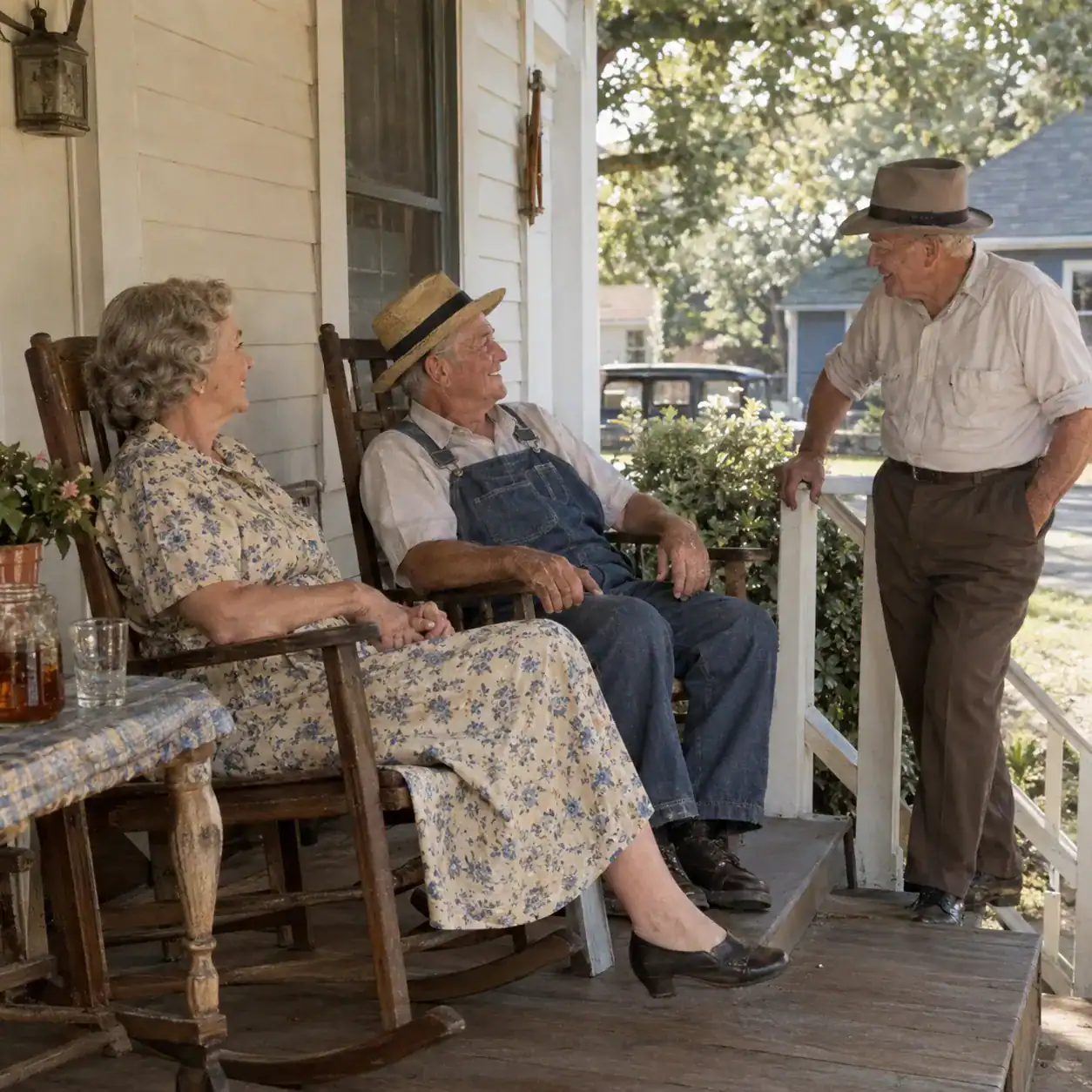
Rocking chairs, neighbors passing, and long conversations were the original evening feed.
No destination required.
For many families, porch time was part of the daily routine, and the porch swing was a fixture.
Historian Richard Thomas noted how easily porch sitters greeted passersby. A backyard patio made those casual hellos harder.
Cars took families out for fun, while telephones let them catch up without stopping by for a chat.
Air conditioning and TV drew evenings indoors. Postwar houses shifted family life toward the back yard, away from passing neighbors.
17. Went for a Sunday Drive
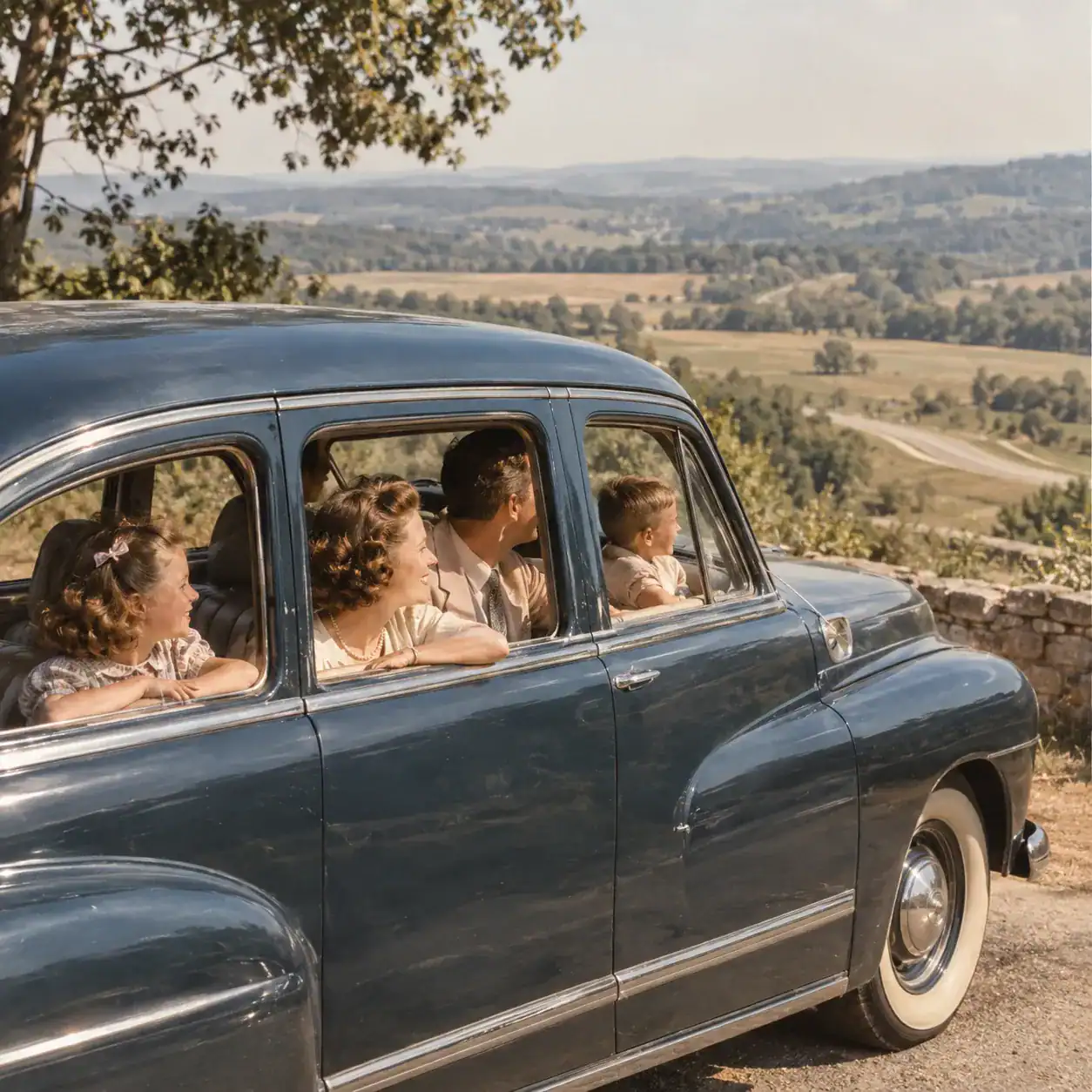
Families drove nowhere in particular to see relatives, sightsee, or show off a new car.
The point wasn’t the destination. The drive was the fun.
In 1925, the Model T’s base price fell to $260. The Model A arrived on December 2, 1927.
Gas ran about 20 cents a gallon through the 1930s.
Burma-Shave’s rhyming roadside signs first went up in 1926 near Lakeville, Minnesota, and lined highways until 1963.
Then the war intervened. On January 7, 1943, pleasure driving was banned along the East Coast.
18. Ate at the Drive-In
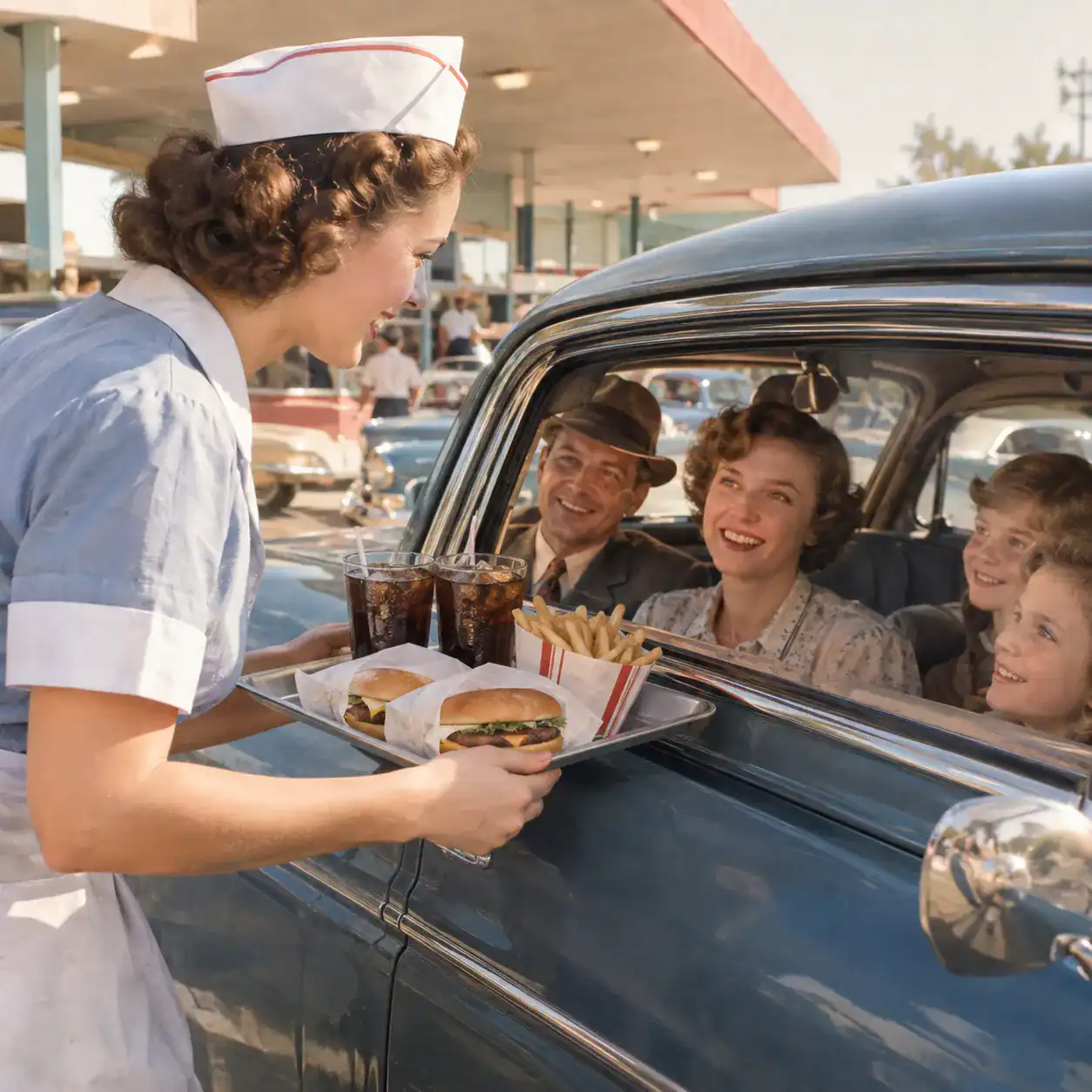
Postwar gas was cheap, cars were more comfortable, and restaurants learned to bring food to the window.
Dinner and a show meant watching the parking lot.
Jessie G. Kirby and Reuben Jackson opened Kirby’s Pig Stand in Dallas in September 1921.
It’s widely credited as America’s first drive-in restaurant, and its carhops were men from the start.
The Pig Stand chain is also credited with popularizing onion rings in the 1920s and Texas toast in the 1940s.
Roy W. Allen’s root beer stand in Lodi, California, opened on June 20, 1919. It grew into A&W.
19. Helped at a Barn Raising
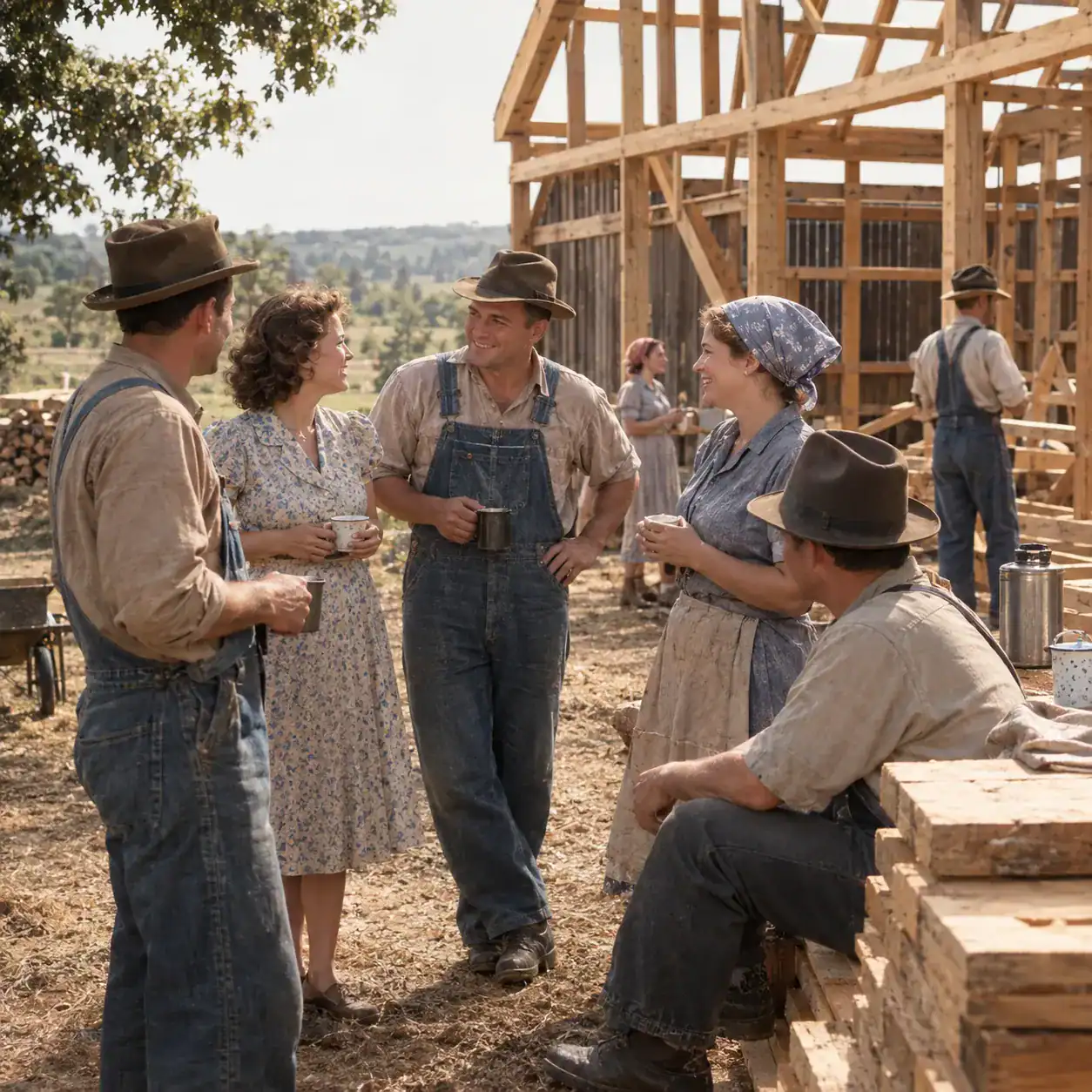
Barn raisings were an older rural tradition that continued in some farming communities during the radio era.
Neighbors gathered to build a barn, combining shared labor with a chance to catch up.
The raising itself took a day or two. The frame timbers were often hewed by axe the winter before.
Men built while women brought water and food. Older boys fetched tools, and the youngest children watched.
A finished barn was often celebrated with a feast and a dance.
It also worked like insurance. Help given meant help owed, and after a fire, neighbors rebuilt.
20. Gathered at a Cornhusking
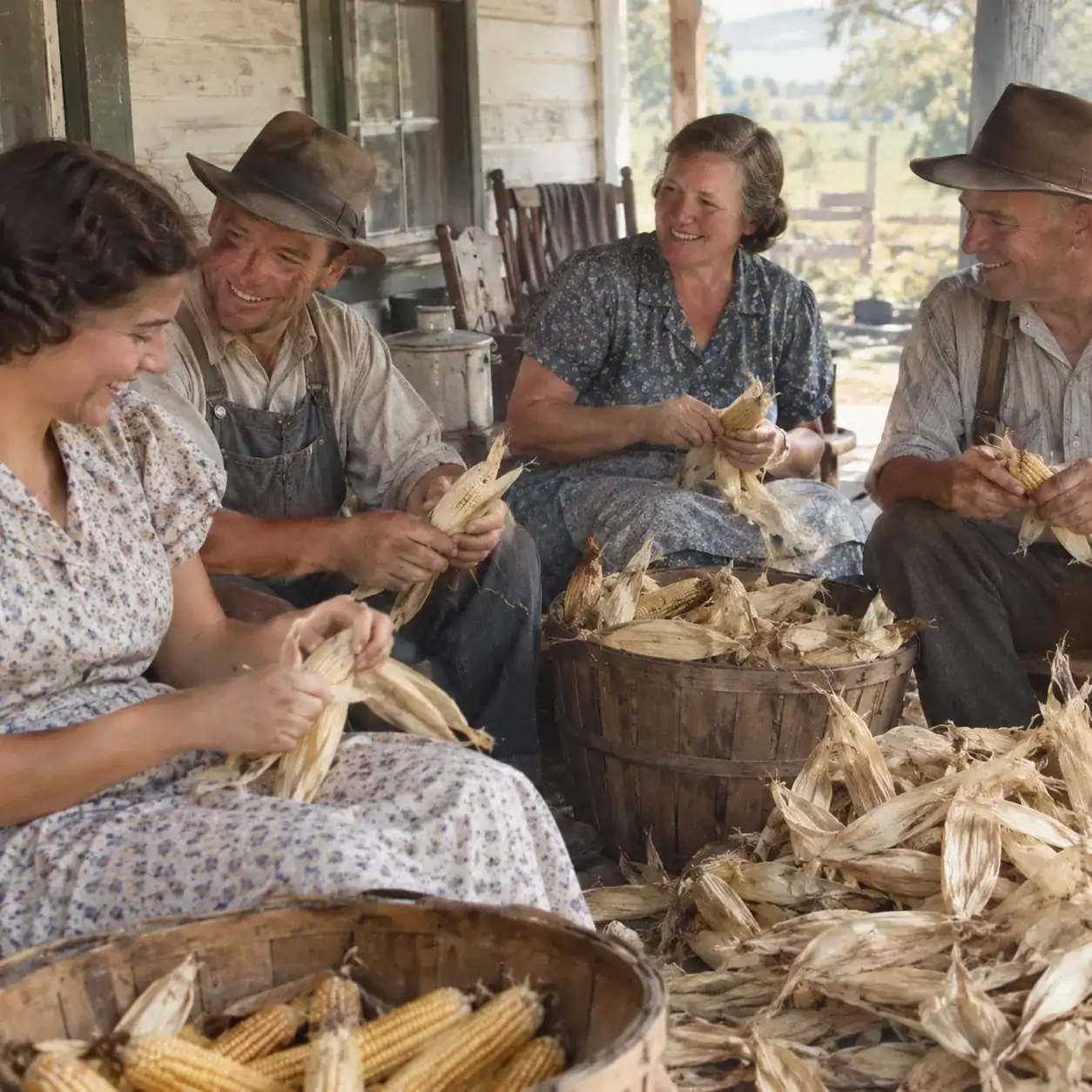
In rural communities that kept the older cornhusking tradition, neighbors gathered to husk the crop together.
This was seasonal social time tied to the harvest. A mention in a family letter may point to shared work as well as recreation.
By one custom, whoever found a rare red ear could kiss someone at the gathering.
Some crews painted plain ears red to cheat.
Husking also became a spectator sport, with the first national contest held in 1924.
About 110,000 people came to Newton, Iowa, in 1935. The 1936 contest drew about 140,000.
21. Danced at Country Dances
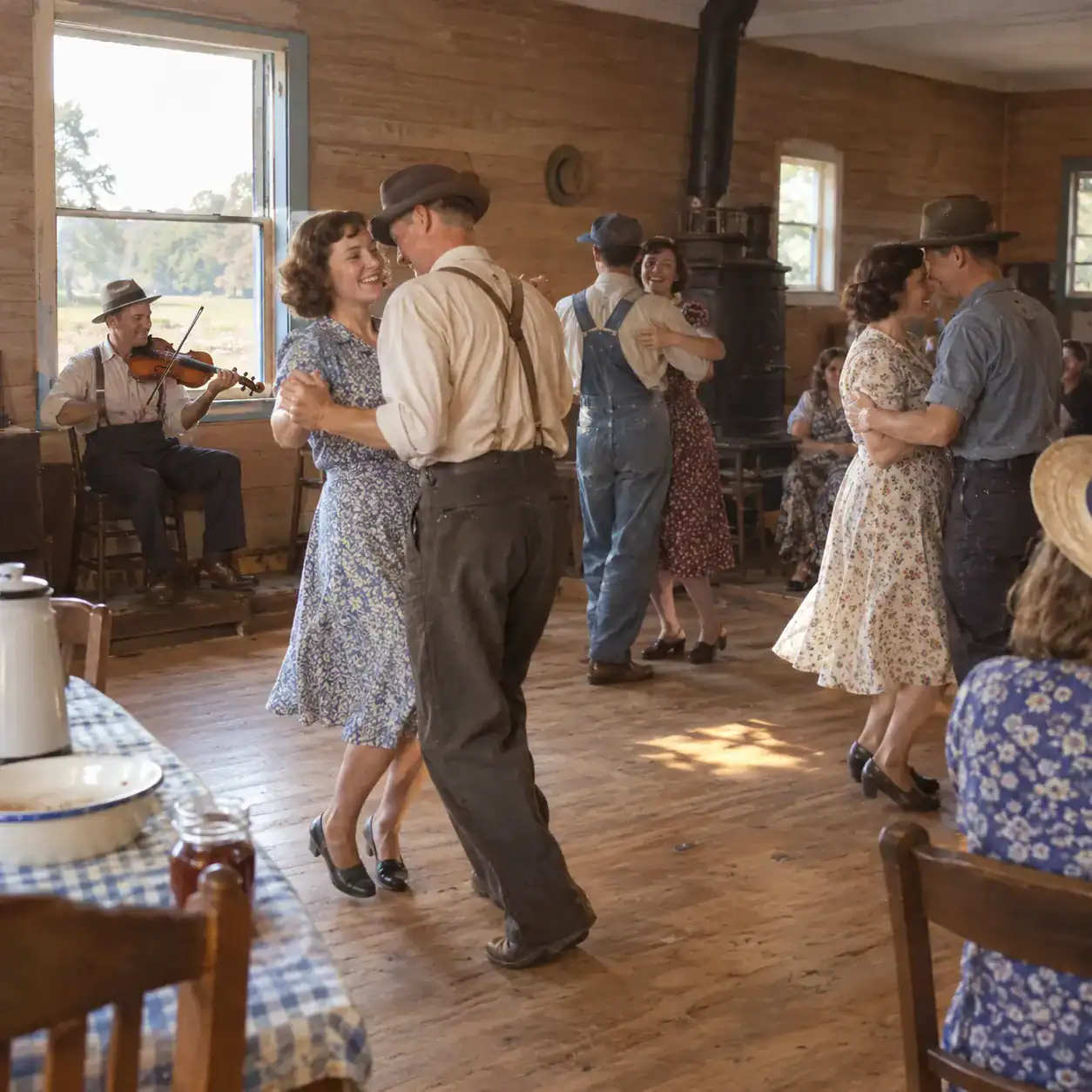
Country dances carried older traditions into the radio era in some rural communities. Local musicians and families gathered for informal dancing.
The music came from people nearby, without a touring orchestra on the bill.
Henry and Clara Ford disliked jazz and spent the 1920s trying to bring old-fashioned dancing back.
Their 1926 book, “Good Morning,” written with dancing master Benjamin Lovett, helped carry that enthusiasm for old-fashioned dancing.
The revival celebrated the fiddlers, too: Ford sponsored contests in hundreds of communities, often awarding loving-cup trophies.
Those local musicians supplied the music that brought families together on country dance floors.
22. Gathered at a Quilting Bee
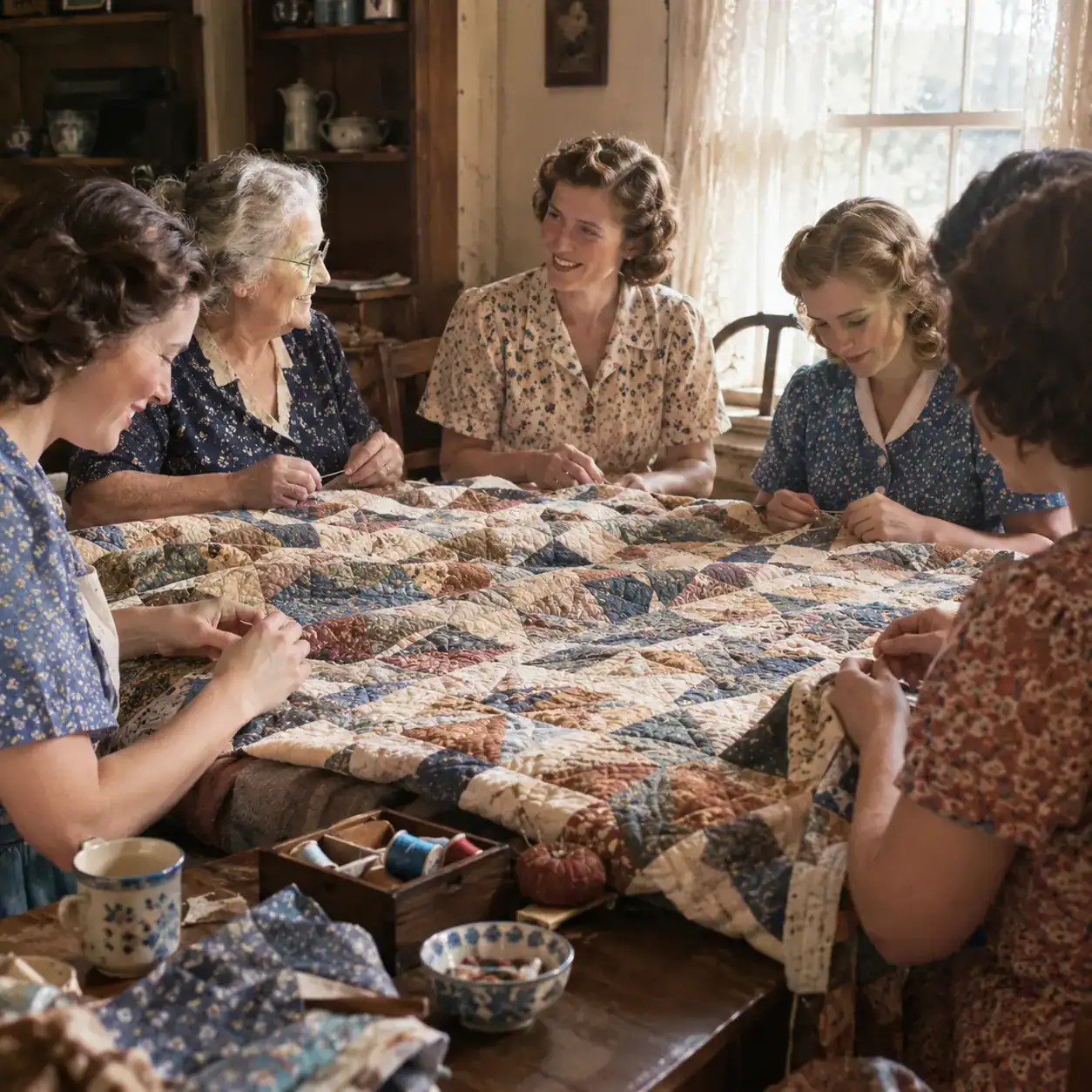
In communities where quilting bees continued, women finished quilts together while swapping news, recipes, remedies, fabric scraps, and skills.
The quilt was the reason. The company was the reward.
In January 1933, the Sears catalog announced a National Quilt Contest tied to Chicago’s Century of Progress World’s Fair.
Prizes totaled $7,500, in the depths of the Depression. The grand prize alone was $1,000.
An original design honoring the fair could earn an extra $200.
More than 24,000 quilts were entered. It’s often called the largest quilt contest ever held.
23. Read Whatever Was Around
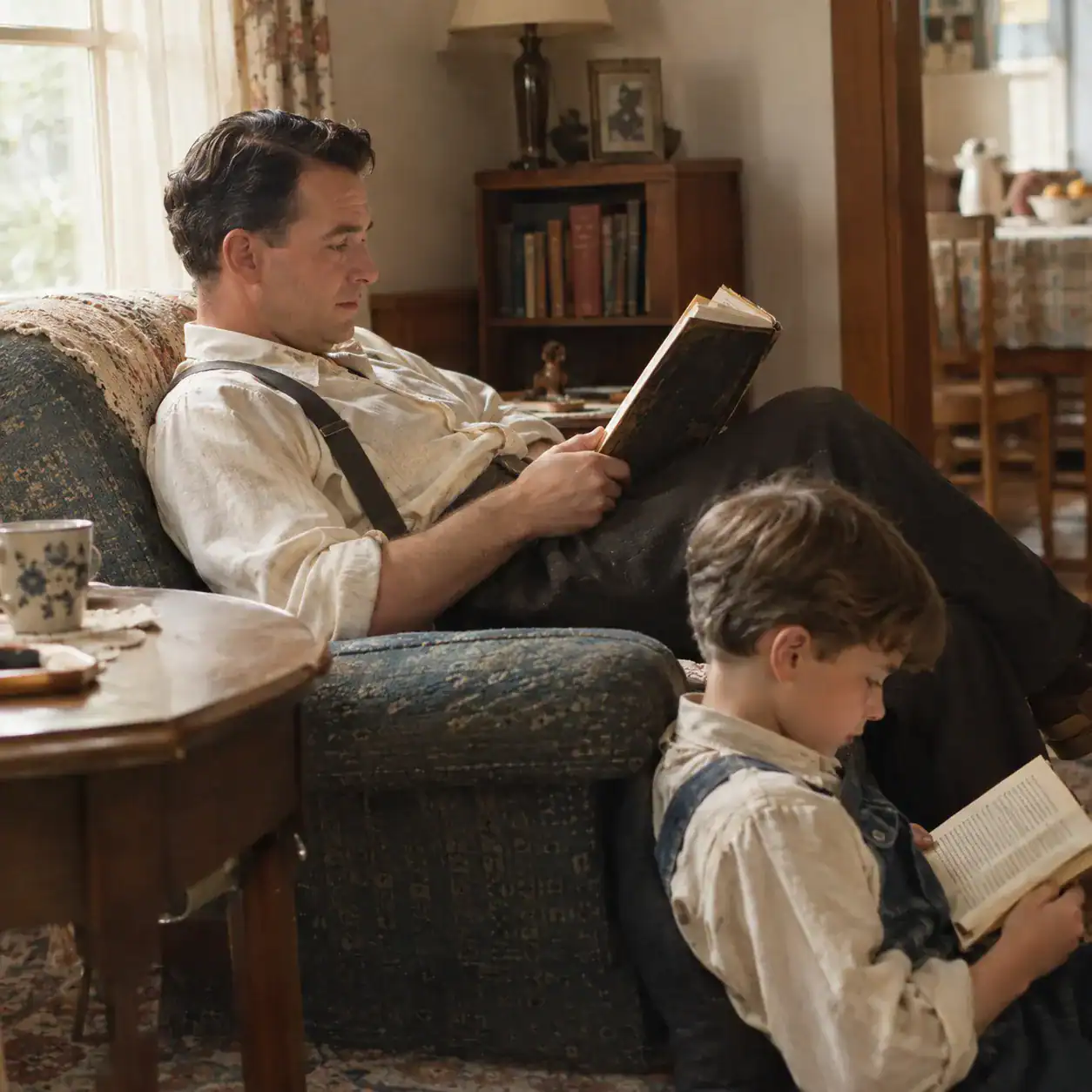
Reading was an older pleasure that remained part of home life in the radio era. Books and newspapers were household entertainment, not background clutter.
One good serial could outlast an evening.
The Saturday Evening Post cost a nickel an issue until 1942.
Action Comics #1 introduced Superman in 1938 for 10 cents. Its first run reportedly sold out within about a week.
On June 19, 1939, Pocket Books released its first 10 paperbacks, including Wuthering Heights, at 25 cents each.
One story credits founder Robert de Graff with the thought: “Nobody misses a quarter.”
24. Visited Family and Friends
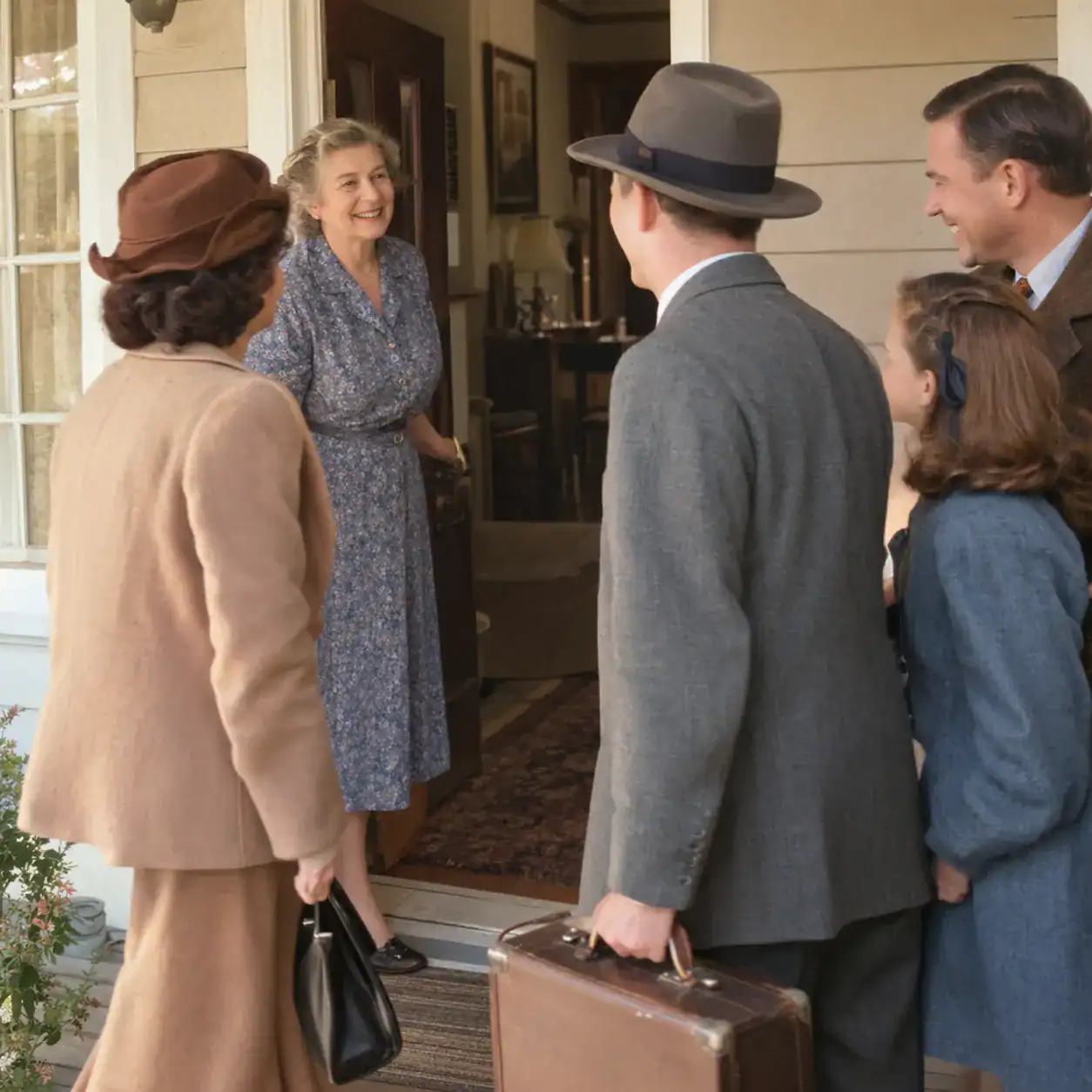
Family visiting carried on alongside newer amusements. People crossed town or state lines to see relatives.
The visit itself was the entertainment.
In rural Iowa in the 1940s, Sunday afternoons after church often meant a gathering at a relative’s home.
“Nobody was working and everybody was there,” David Kuntz remembered of those Sundays.
Helen Kuntz remembered her family’s homemade mashed potatoes, fresh bread, peas, and homemade sherbet served in special glasses.
They “would eat for a couple hours and sit around after dinner,” David recalled.
25. Kept Their Hands Busy
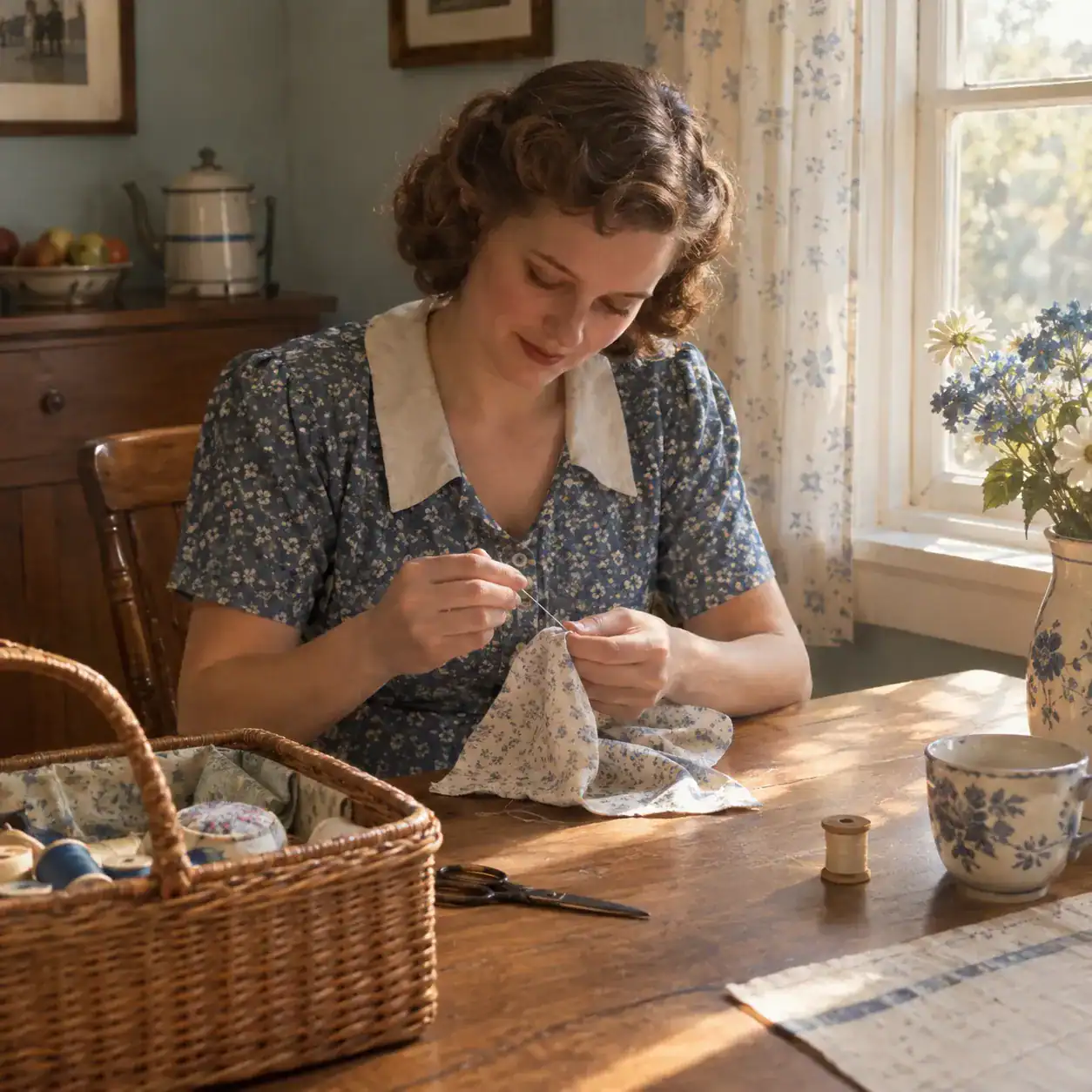
Whittling, carving, and sewing were older pastimes that continued in homes where people enjoyed making things by hand.
Sewing also brought people together at quilting bees, where skills and fabric scraps changed hands. A handmade piece in a family collection may be a trace of those hours.
During World War II, knitting for the troops became a home-front effort, run mostly through the American Red Cross.
Eleanor Roosevelt was often photographed with her knitting bag.
The Red Cross later estimated that about 750,000 volunteers produced more than 50 million garments.
Then, in 1951, Detroit’s Palmer Paint Company launched Craft Master paint-by-number kits. More than 12 million sold.
26. Collected Stamps
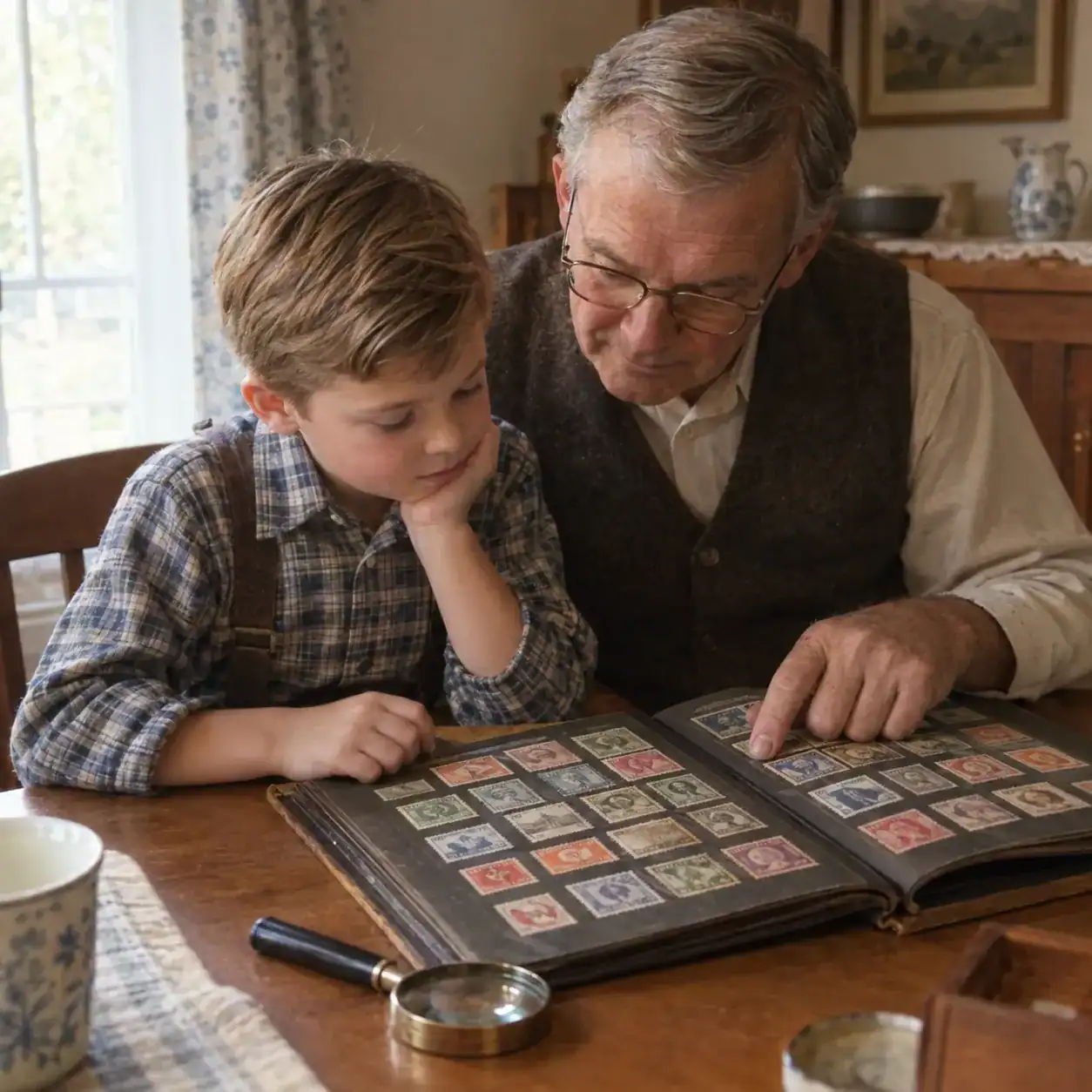
Kids spent hours mounting stamps in albums, and adults kept collections too.
Postmarks and foreign stamps were little paper souvenirs.
Franklin D. Roosevelt started collecting at age 8, encouraged by his mother, Sara Delano Roosevelt.
She passed her own collection to him. He eventually owned more than 1.2 million stamps.
Many kids got started through H.E. Harris & Co. of Boston and its magazine and comic-book ads.
Packets usually cost under $1, as long as the buyer agreed to receive further shipments of stamps.
27. Kept Scrapbooks and Letters
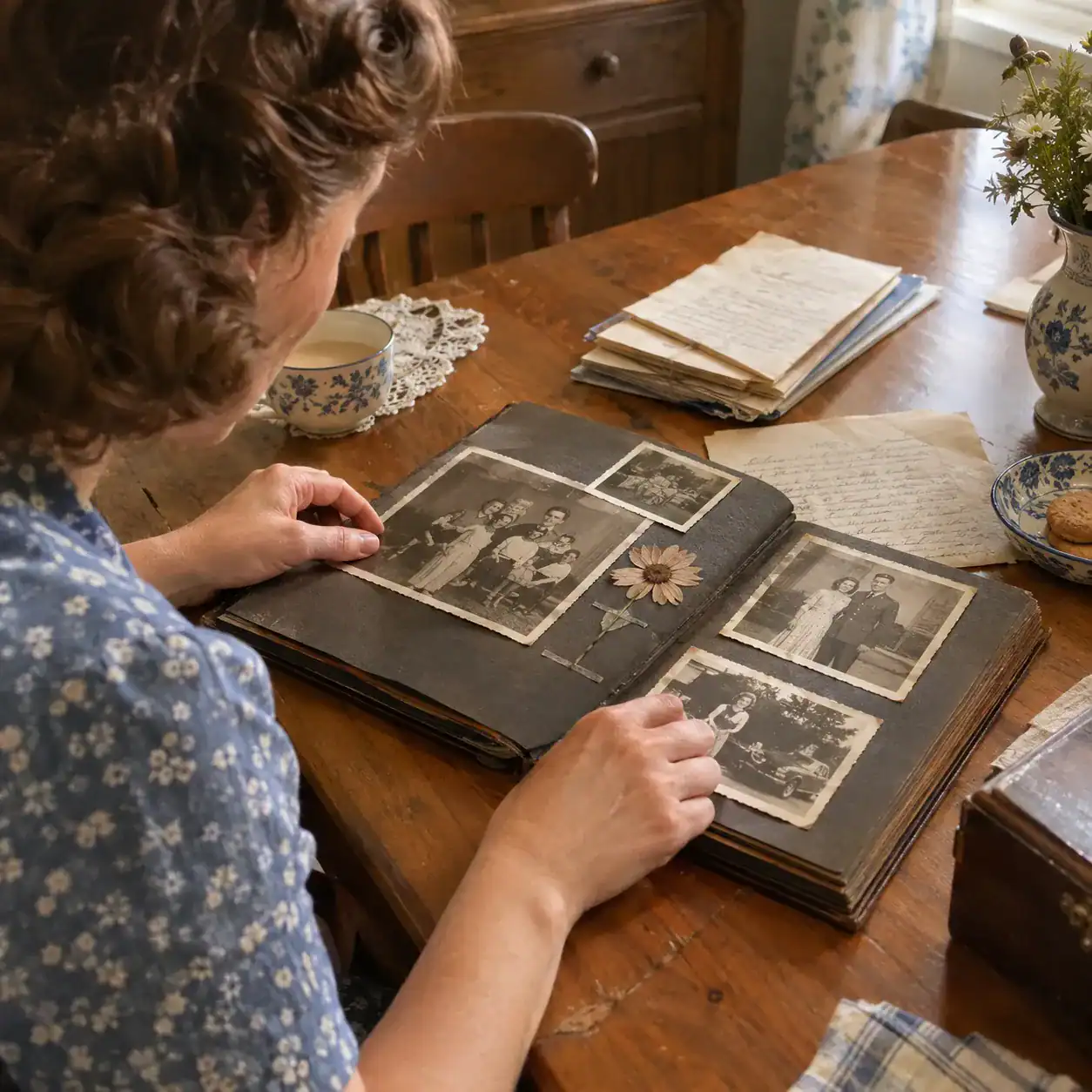
Families saved clippings, photographs, pressed flowers, and long letters.
People were having fun and building the family archive at the same time.
In 1873, Mark Twain patented a “self-pasting scrapbook” with pre-gummed pages. It was his only profitable invention.
Domestic first-class letters cost 3 cents per ounce from July 1932 through July 1958.
Wartime letters often went by V-Mail, photographed onto microfilm, flown overseas, and printed out at the other end.
The service started on June 15, 1942. By 1945, more than a billion V-Mail letters had been sent.
Why This Matters Now
That’s the twist. The hobbies in this list became the clues family historians hunt for later.
A stamp album, a dance-hall photo, a scrapbook, or a letter can tell you more about a person than a bare name and date. So the next time an old diary mentions a quilting bee or a Sunday drive, take it as a clue to everyday life, with more of the story still to discover.