

Picture your grandmother or great-grandmother at eight years old, reaching into a Christmas stocking and finding a single orange.
Not a toy. An orange. And picture her face, because that orange was the sweetest thing she’d taste all year.
That’s the Christmas a lot of our ancestors grew up with.
No money. Hardly any presents. And yet, when they talked about it decades later, they weren’t telling you a sad story.
They were smiling. The doll dress their mother sewed from a flour sack. The joke gift that made the whole family howl. The pie that somehow didn’t have any apples in it.
They made Christmas out of whatever was in the house, and they made it stick.
Here’s how.
1. A Christmas Card Cut From a Brown Paper Bag
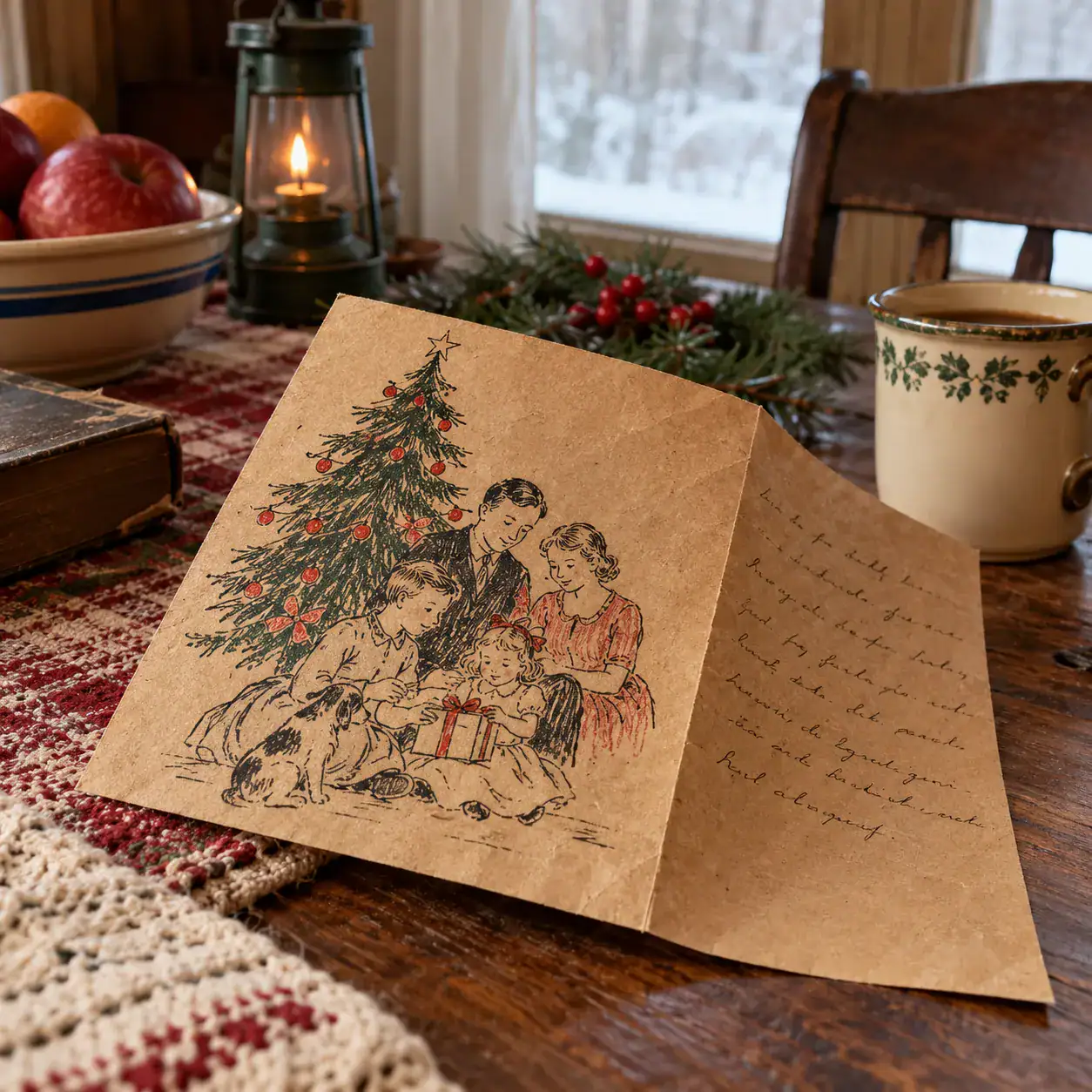
The Pinero family of Chicago made their 1933 Christmas card out of a brown paper bag.
Someone hand-lettered a poem on it and added simple line drawings of Mom, Dad and the kids.
The message has a shrug built in: “Oh, well, in spite of it all, here’s a Merry Christmas from the Pineros.”
They mailed it on December 19, 1933, to friends in Massachusetts, with a one-and-a-half-cent stamp.
Today it belongs to the Smithsonian’s National Museum of American History.
2. The White-Elephant Party Where Grandpa Unwrapped a Failed Bank’s Checkbook
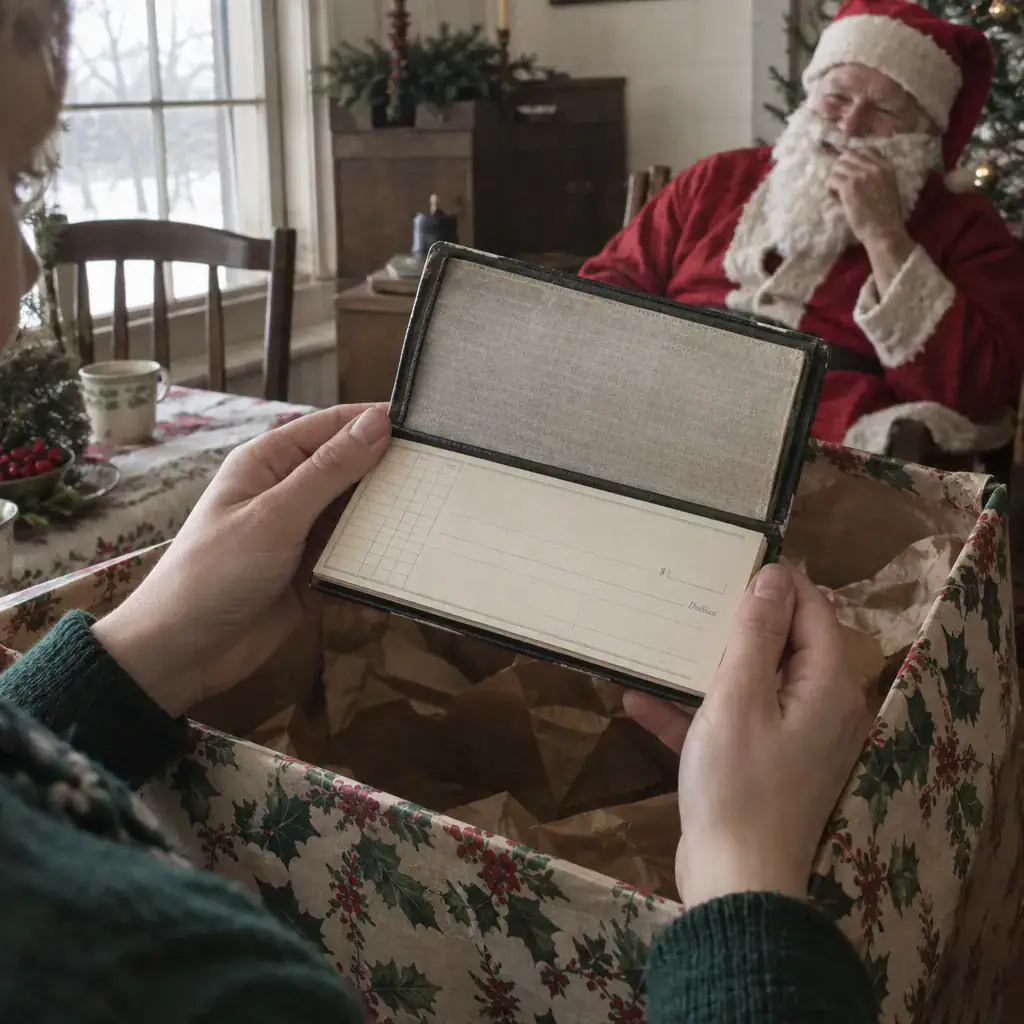
In 1931, fifteen members of one Ohio family gathered from neighboring farms for Christmas. The rule was simple.
Everyone brought things they didn’t want, the packages were numbered, and people drew them by lot.
Grandpa played Santa “wearing a costume that he’d scraped together.” Arnold, a 6-foot athlete, unwrapped a pair of tiny baby socks. Henry got an old-fashioned corset cover. Myra got a cut-glass decanter.
The biggest laugh came when Grandpa opened his own enormous box. It held “a blank check book on the bank which had closed its doors.”
A woman in the family described the party in a letter that Farm Collector quoted in 2012.
She closed with a new rule: the password at the front door “will be, not ‘Ain’t times awful?’, but ‘A MERRY CHRISTMAS.'”
3. Dresses That Started Life as Flour Sacks
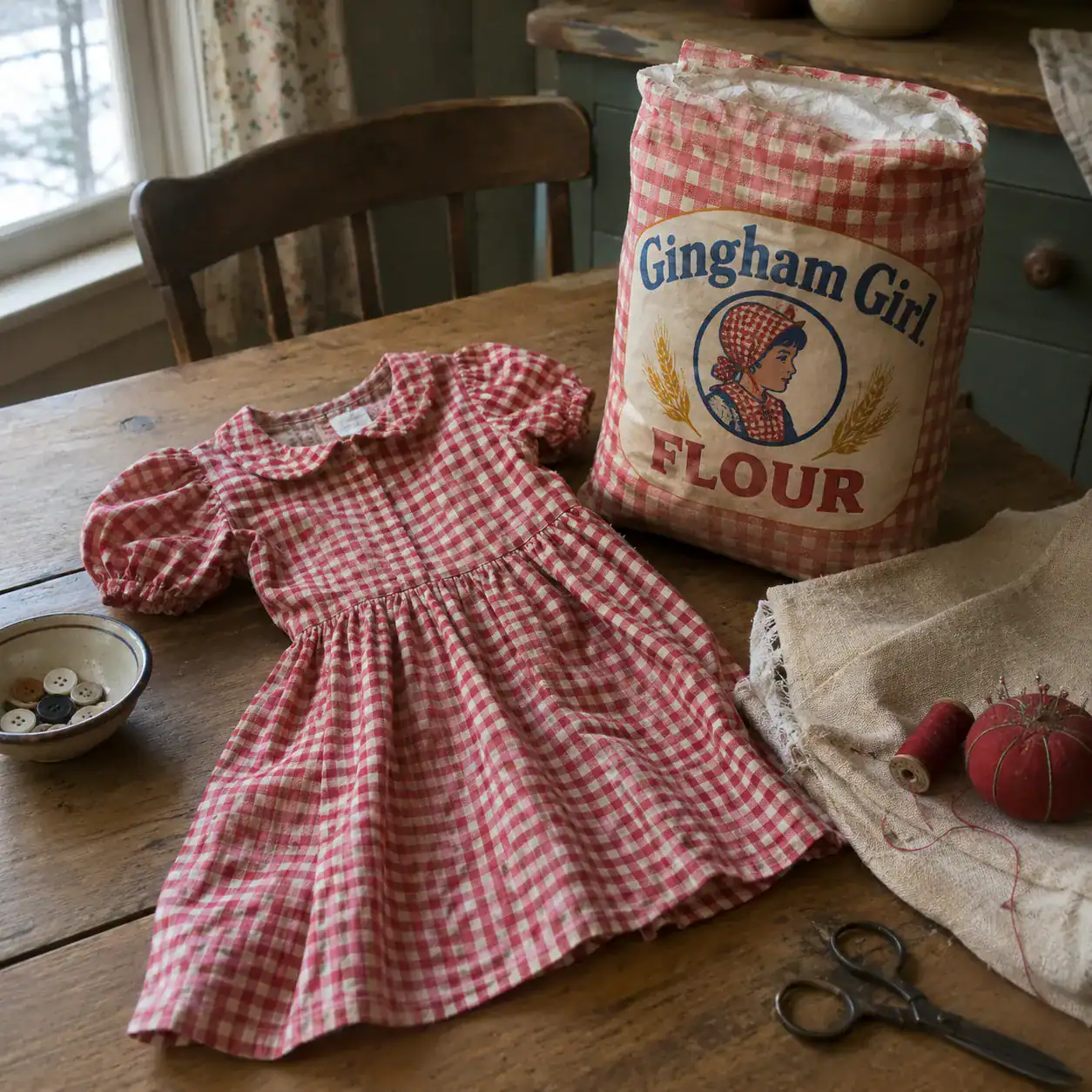
A flour sack could have another life after the flour was gone.
The Pauley children’s mother made their dresses out of patterned sacks, and in those years sack fabric clothed dolls as well as children.
Gingham Girl Flour came in red-and-white checked fabric as early as 1925. By the late 1930s, companies were competing to print the prettiest sacks. The fabric itself was something worth keeping.
Homemade dresses for children and dolls appear in accounts of Depression Christmas gifts.
That doesn’t mean the Pauley girls’ sack dresses were Christmas presents, but it gives you a picture of the materials a mother could put to use.
4. Socks, Gloves and Scarves Knitted at Home
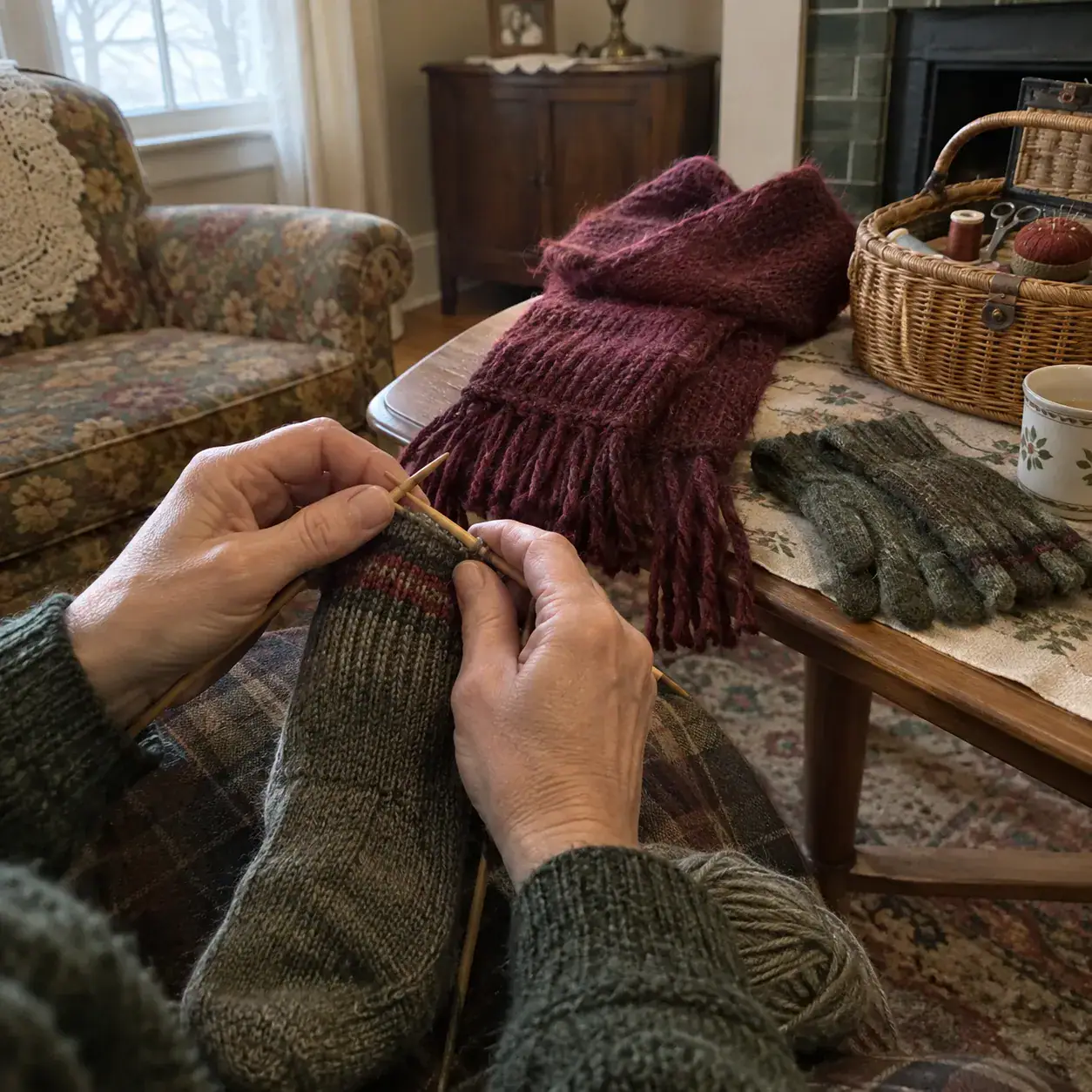
In the 1930s, “people had more time than money,” as Rochelle Pennington put it in a talk for PBS Wisconsin.
So the time went into gifts.
Hand-knitted socks, gloves or a scarf were typical presents.
Mothers also sewed new dresses for dolls, made stuffed animals with button eyes, and crocheted slippers and hats.
If a hand-knitted scarf or a button-eyed animal from those years survives in your family, it’s worth asking whose hands made it.
5. Toy Chests and Dollhouses Built From Scrap Lumber
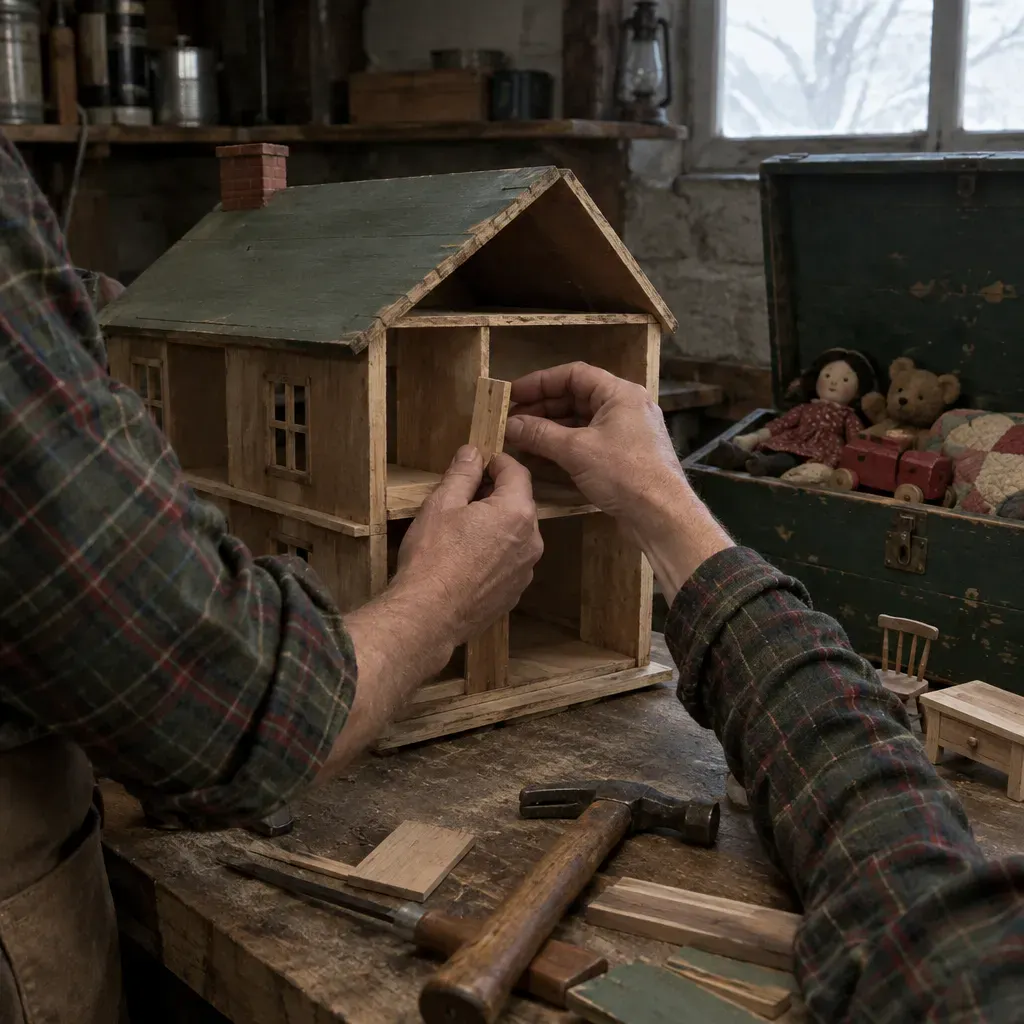
The fathers built things.
“Fathers’ weathered hands carved toy chests from scraps of lumber,” Pennington said.
“Doll houses were painstakingly constructed with tools on a basement workbench.”
Not every family had a workbench or lumber to spare.
Where they did, the basement became a toy shop.
6. Apple Pie With No Apples
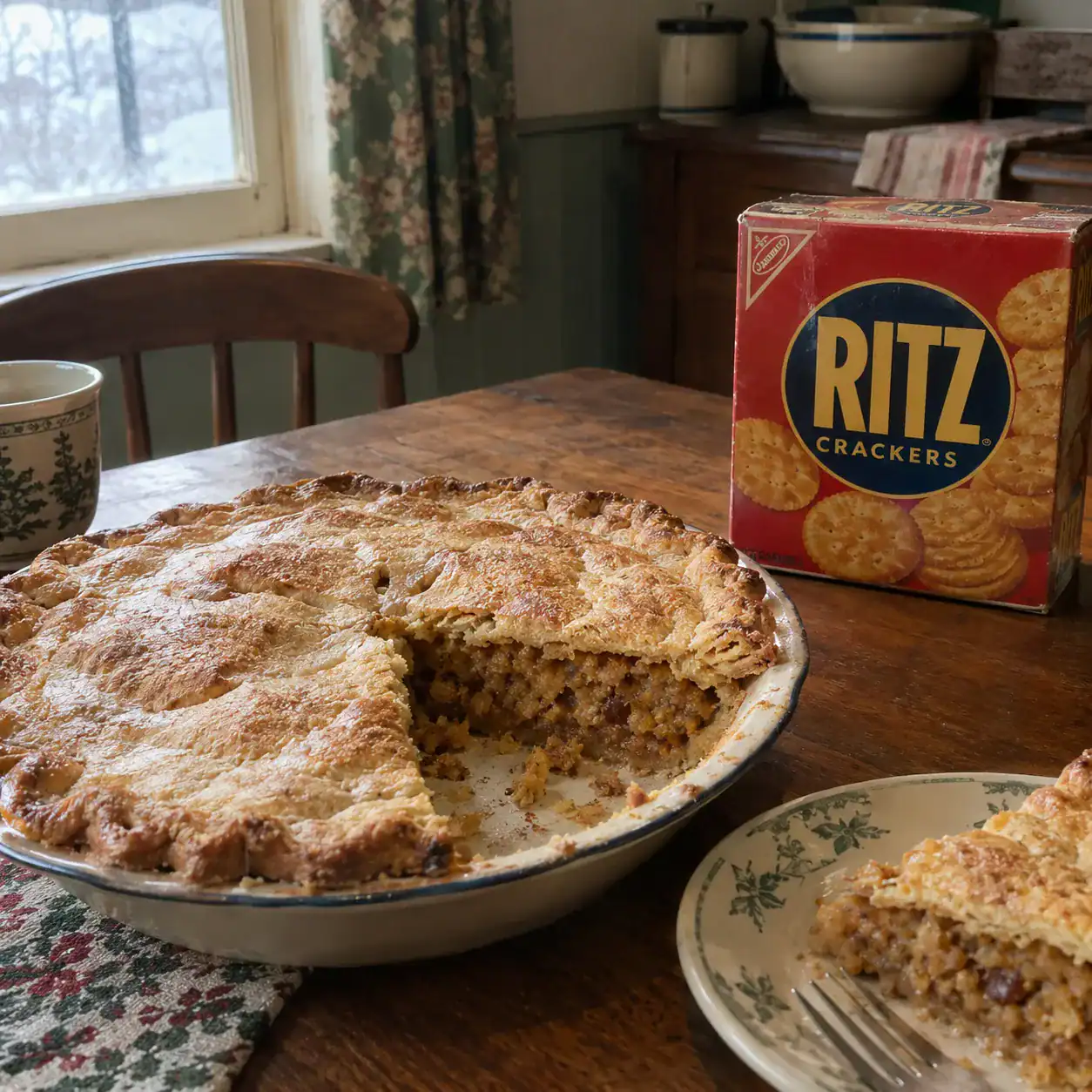
Ritz crackers came out in 1934.
Nabisco soon printed a recipe on the box for Mock Apple Pie, which used crackers in place of apples, with lemon, sugar and cinnamon doing the rest.
The trick wasn’t new. Recipes for “cracker pie” show up as early as 1857.
But the Ritz version stayed on the box for decades.
It was holiday baking without the expensive ingredient.
7. A Cake With No Eggs, Butter or Milk
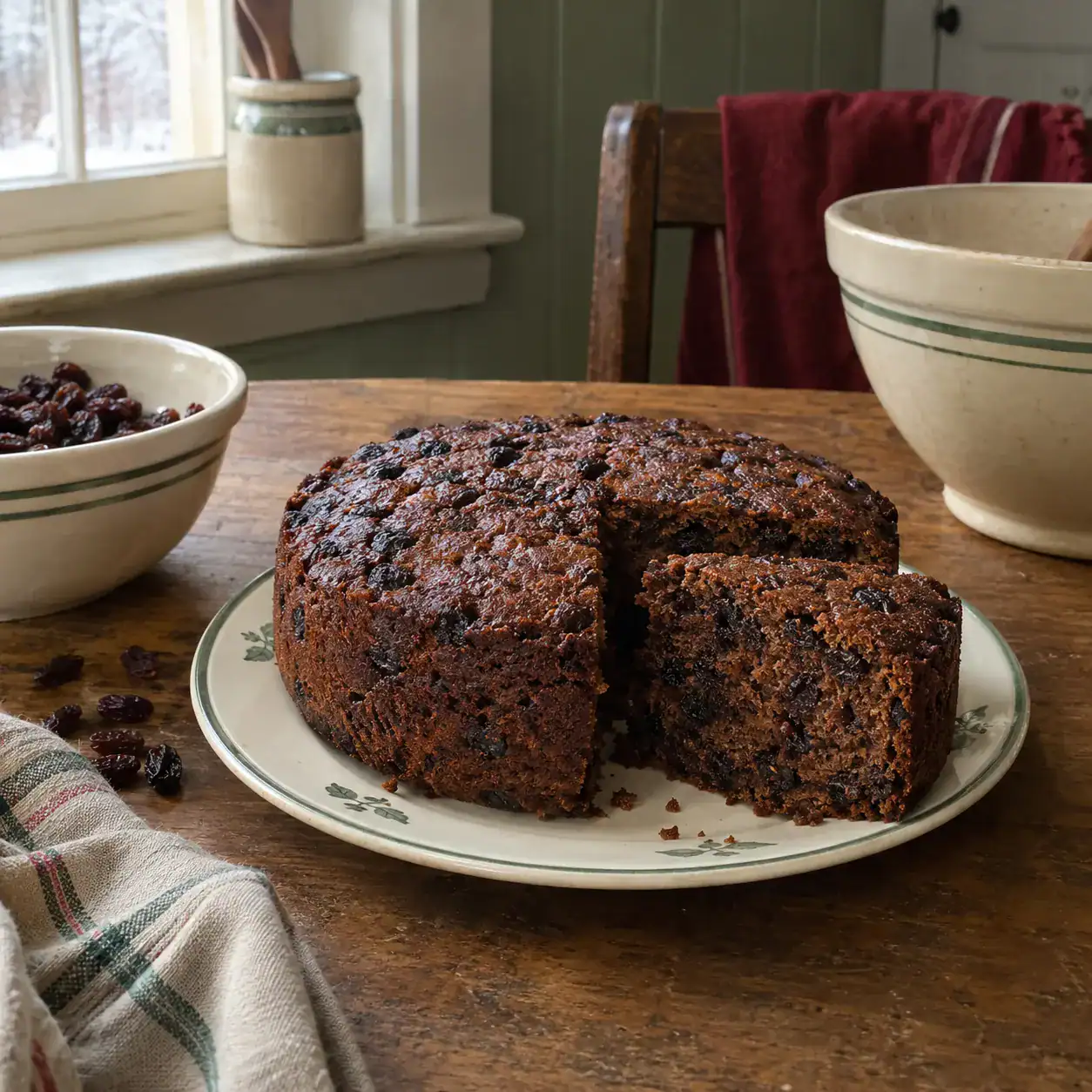
It went by a lot of names: Milkless Eggless Butterless Cake, Boiled Raisin Cake, War Cake.
Cooks made it with little or no milk, butter or eggs, because those cost too much or were hard to get.
The idea is older than the Depression. Boiled raisin cakes go back at least to the Civil War, and “war cake” shows up in World War I.
But it was widely made in the 1930s, and a boiled raisin cake could stand in for a holiday fruitcake.
Its cousin, wacky cake, took off in the Depression and stayed popular through World War II rationing.
8. One Orange and a Handful of Nuts
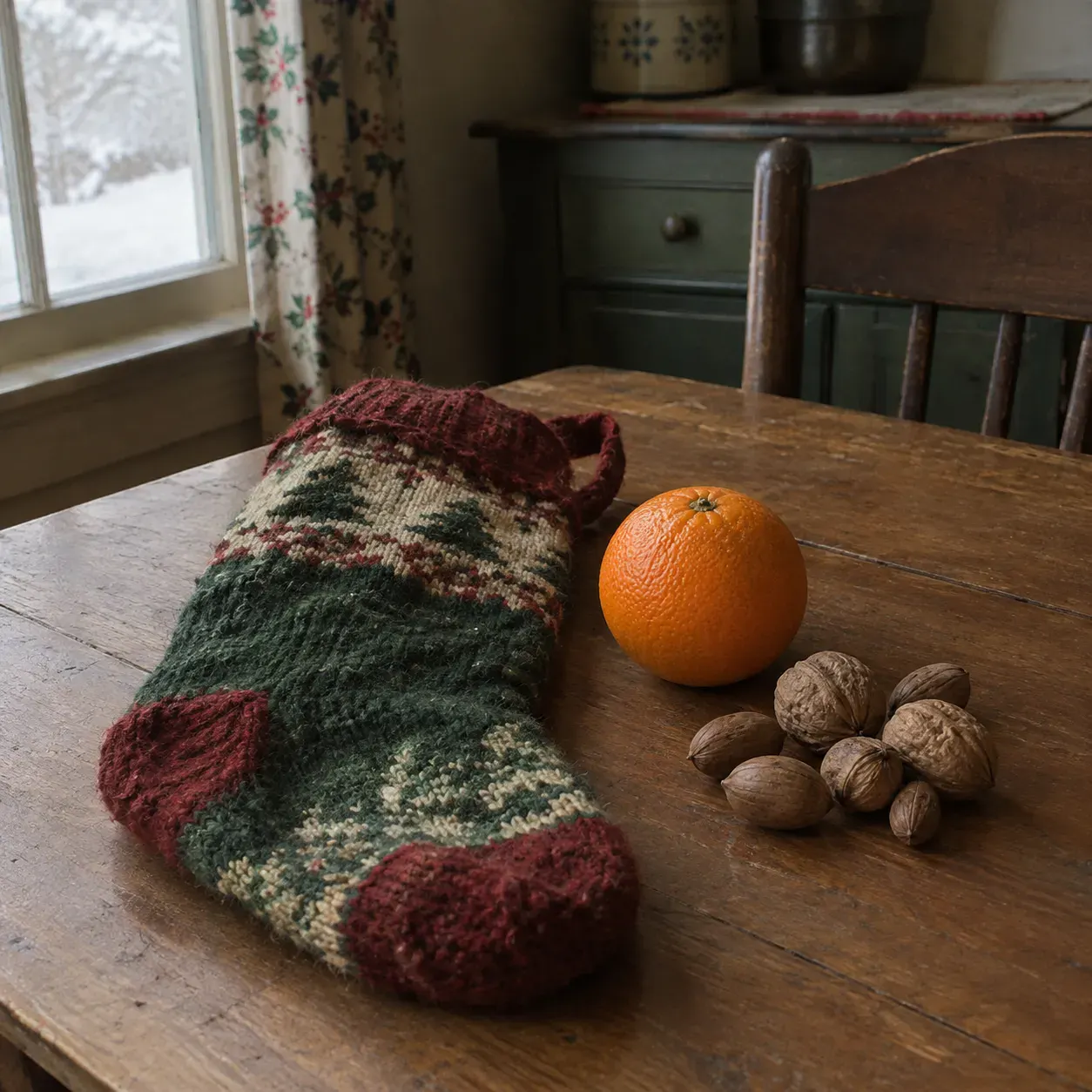
If your grandparents talked about finding an orange in their stocking, they were describing a custom that was already old.
John J. Staggs, born in 1903, remembered getting one as a boy, years before the crash.
“That’s probably the only orange I’d have during the whole year,” he said.
The Depression didn’t invent it. It just made it the stocking a lot of kids remember.
Gifts in those years were “often of a practical nature” and “frequently homemade or homegrown,” as one Wisconsin history put it, like “a few nuts or perhaps an orange.”
9. Apple Pie After Potatoes and Cabbage
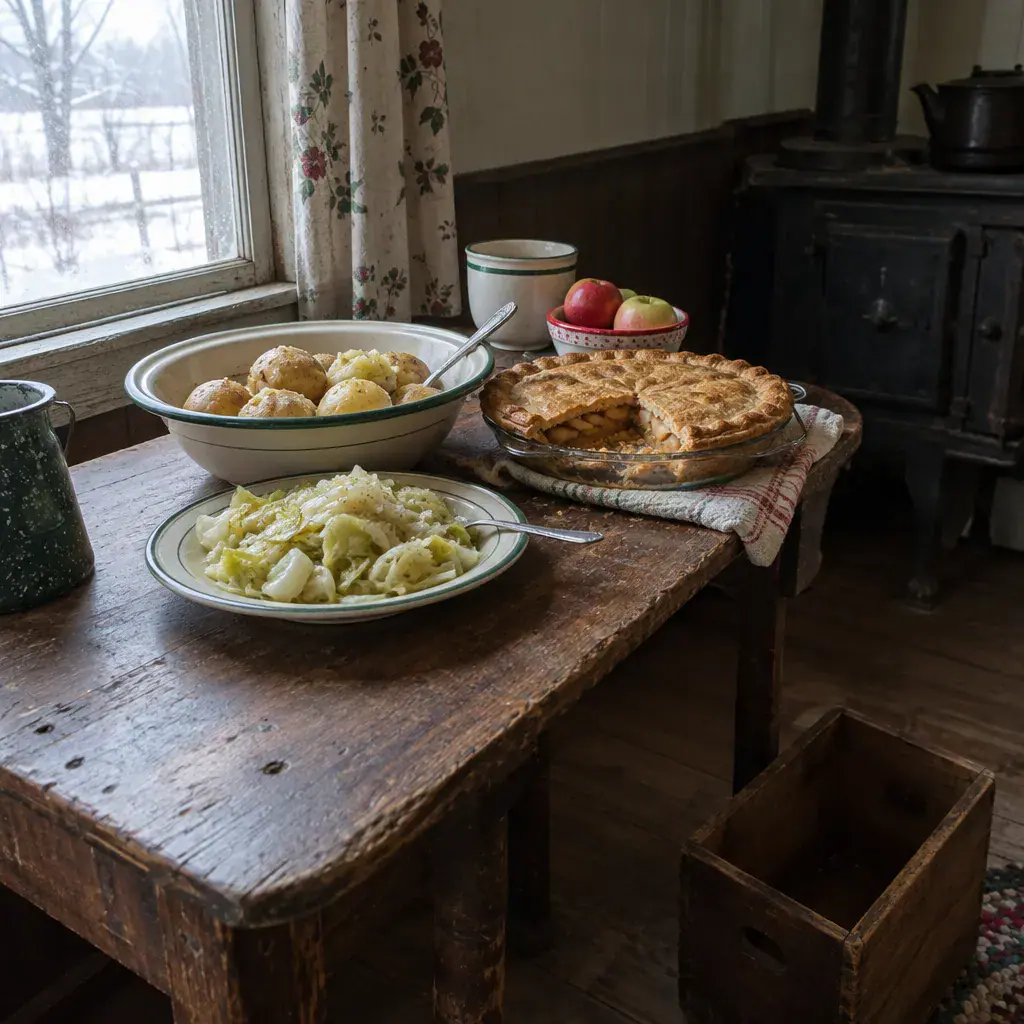
For the Pauley children in western Iowa’s Woodbury County, Christmas dinner in 1936 was boiled potatoes and cabbage.
Apple pie was the Christmas treat.
Russell Lee photographed the four children standing at a little table.
The family had no chairs, and the littlest child stood on a wooden box.
It was a hard Christmas, with a pie to mark the day.
10. Scrooge on the Radio
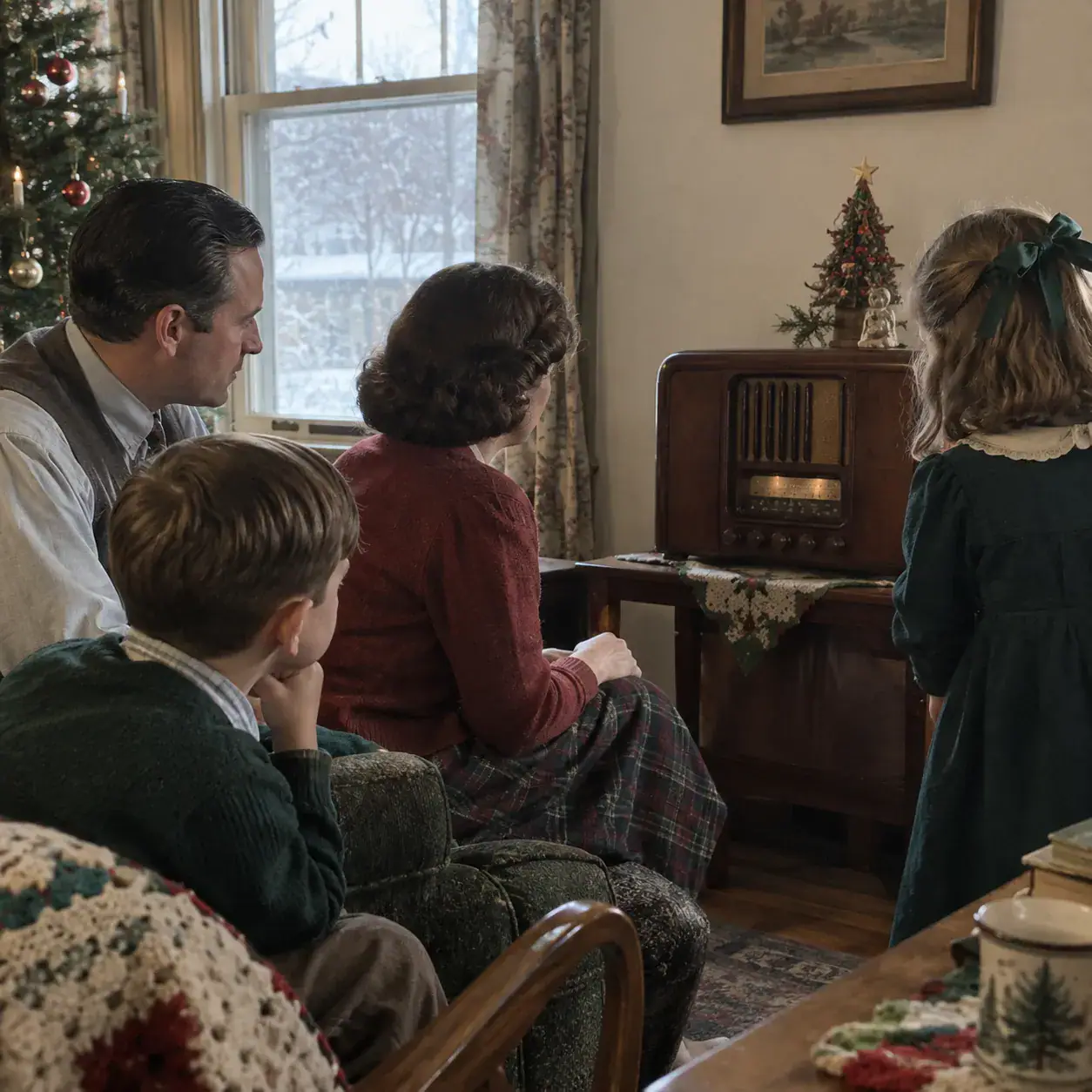
On Christmas Day 1934, Lionel Barrymore played Ebenezer Scrooge on The CBS Christmas Party.
A year later, it became its own half-hour broadcast on CBS.
If your family had a radio, the show cost nothing to hear.
A familiar Christmas story could be part of the day without buying a ticket or going anywhere.
If an older relative remembers the family gathered around the radio on Christmas, ask them what was playing.
11. A Catalog to Dream Over
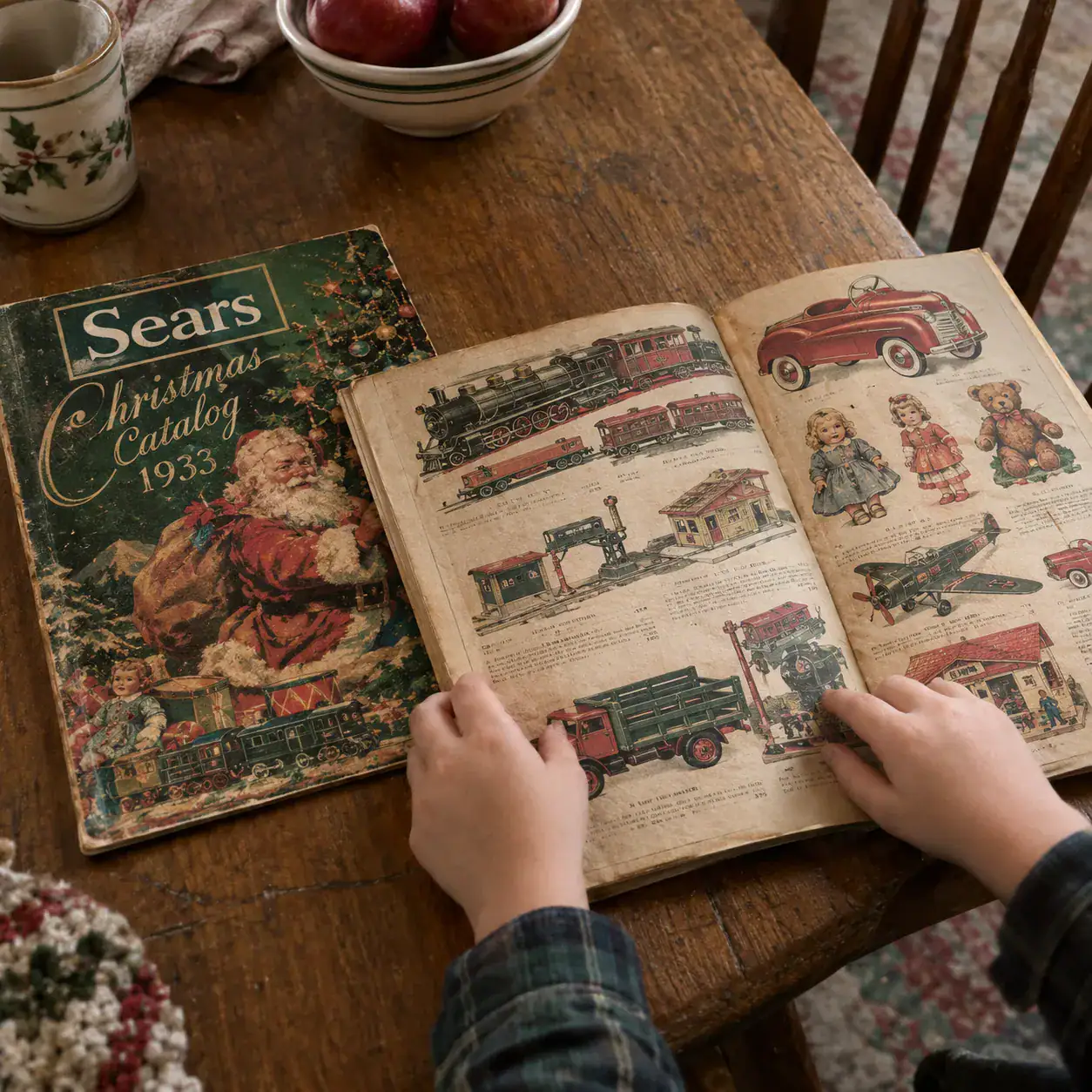
Children paged through the Sears Christmas catalog and circled things they might never get.
Dreaming over it was free.
The first Christmas edition arrived in 1933, separate from the regular catalog.
A family didn’t have to place an order for the pages to give a child something to wish about.
Ask an older relative what they circled, and you’ll learn what a child in that house hoped for.
12. A Free Storybook Starring Rudolph
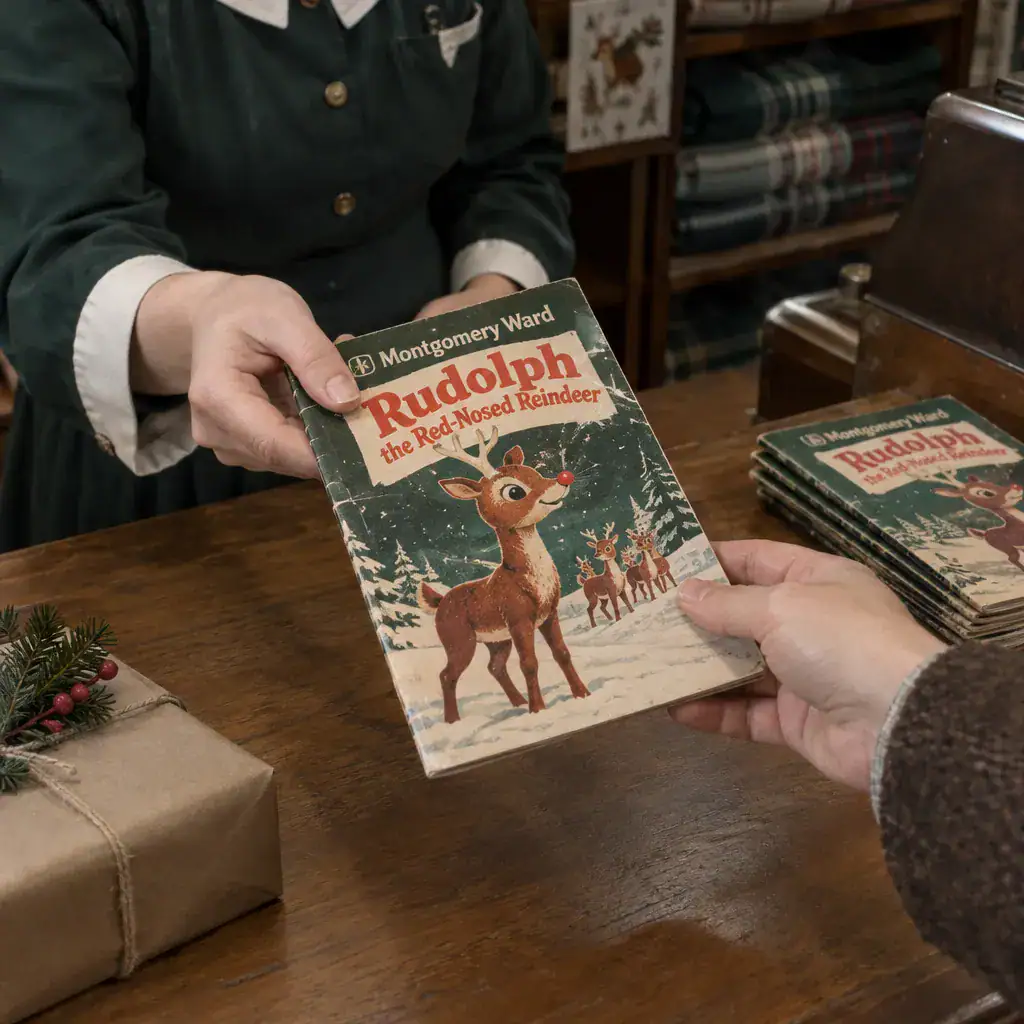
Rudolph the Red-Nosed Reindeer began as a story families could take home for free.
In 1939, Montgomery Ward gave shoppers a Christmas booklet written by Robert L. May and illustrated by Denver Gillen.
Ward printed more than 2 million free copies that first year.
If your family kept its Christmas papers from 1939, it’s worth checking for one.
Before the familiar song, there was a little illustrated story that didn’t need to come out of the Christmas budget.
13. A Shared Tree With Homemade Garlands
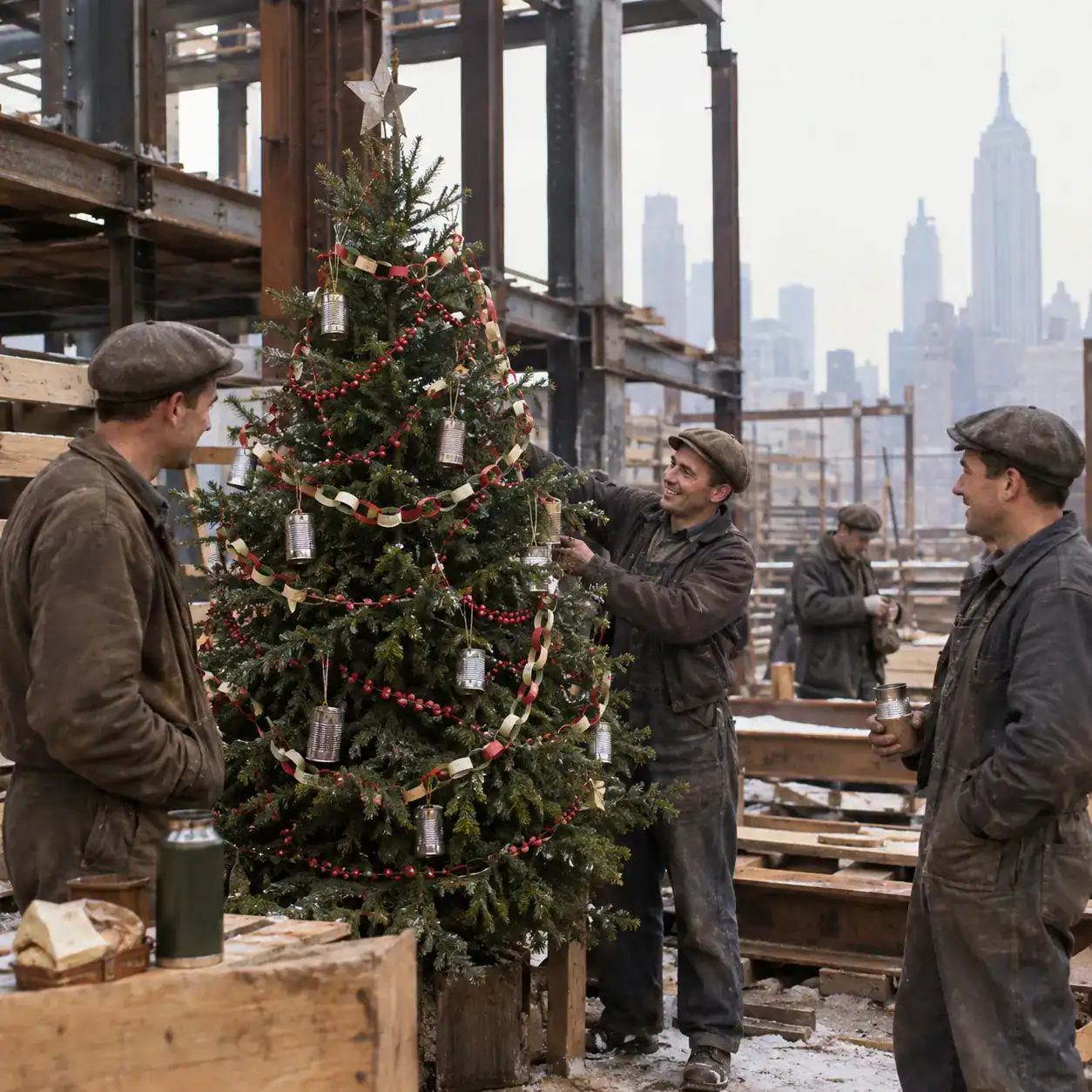
The men building Rockefeller Center pooled their money for a 20-foot balsam fir in 1931.
Their families made paper garlands for it, and the tree also wore strings of cranberries and a few tin cans.
The tree you’ve seen lit on TV began with workers buying one together and their families helping dress it.
Rockefeller Center didn’t make it official until 1933.
Before it was official, it was simply a tree working families had paid for and decorated together.
14. The Classroom Tree One Child Took Home
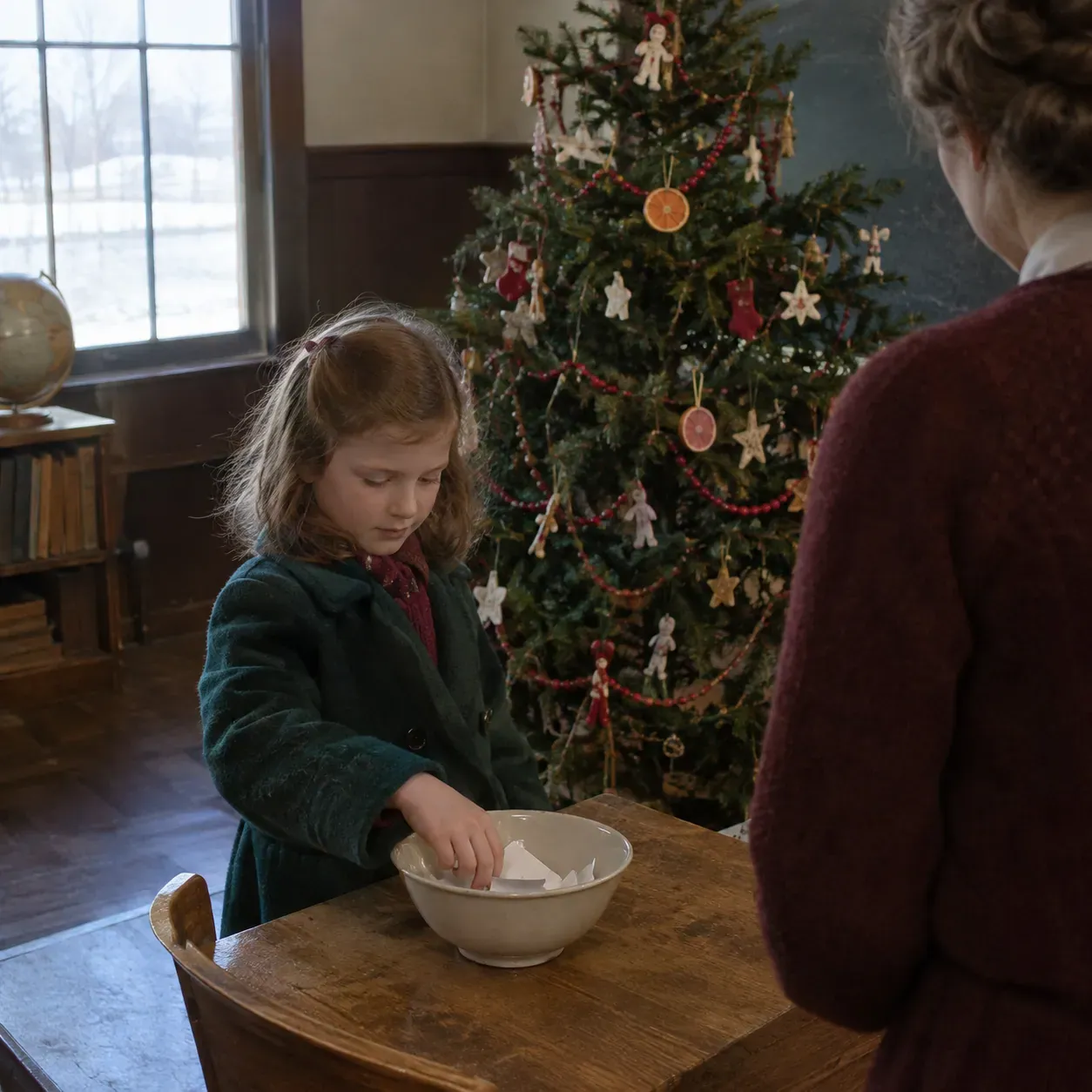
Josephine Oblinger brought a Christmas tree and ornaments into Township Line School in Cook County, Illinois, in the 1930s.
Her pupils helped make more ornaments for it.
None of the children had a tree at home, she recalled.
At the end of the celebration, they held a drawing: “the winner got to take the Christmas tree home.”
Imagine being the child who carried that tree home to a house that didn’t have one.
15. The Doll Furniture One Girl Kept for More Than 70 Years
Sometime in the mid-1930s, St. Louis Mayor Bernard Dickmann threw a Christmas party at Kiel Auditorium.
One little girl, born in 1927, went with her sister. Their 12-year-old brother took them, while their father stayed home with their pregnant mother.
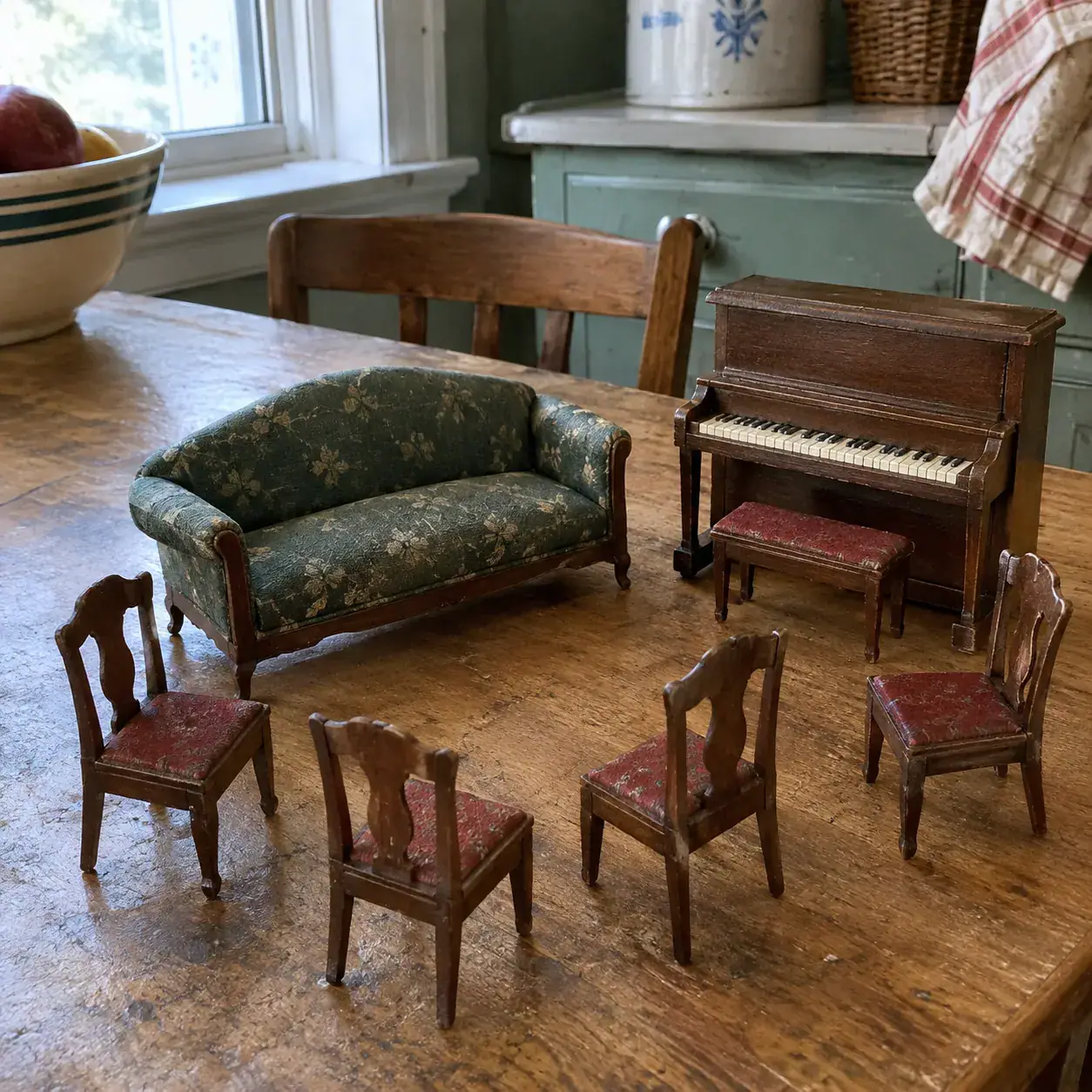
Her gift was a tiny living-room set: “a couch, a piano, and four little chairs.”
She told the story in 2008, in an interview recorded for the Federal Reserve Bank of St. Louis.
By then that party was more than 70 years behind her. “I still have the gift I received,” she said.
16. The Christmas Check That Became Patent Leather Shoes
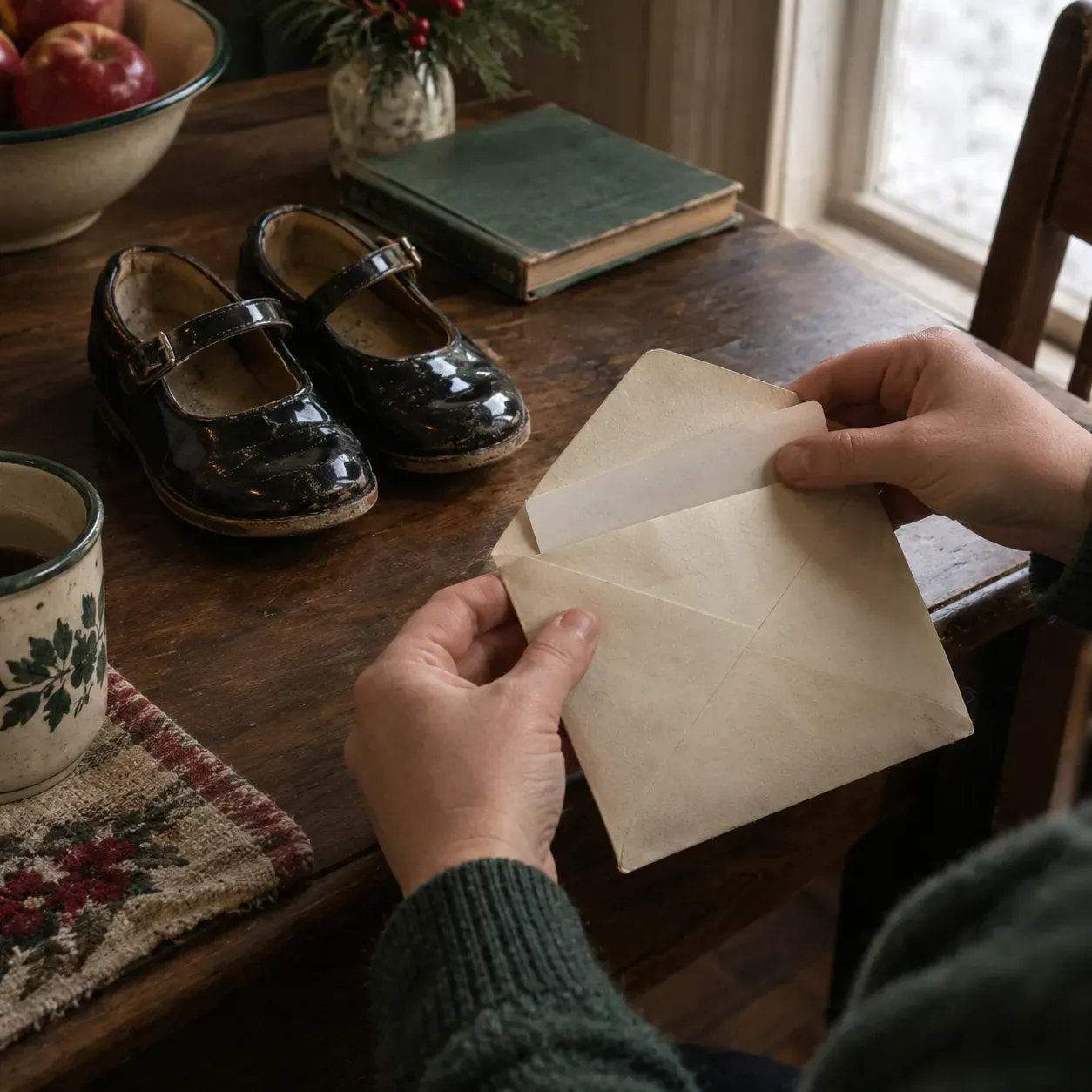
Helen Palm, 14, bought patent leather shoes with a Christmas check from a stranger.
In Canton, Ohio, in 1933, she was one of the people who answered an offer of help signed “B. Virdot.”
There was no B. Virdot. The name blended Barbara, Virginia and Dorothy, the daughters of Sam Stone, a local Jewish immigrant from Romania. He sent $5 checks to 150 families.
Years later, his grandson Ted Gup found the letters and canceled checks in a suitcase his mother gave him.
Helen’s shoes were one small part of a Christmas gift the family would learn about long afterward.
17. Firehouses Turned Into Toy Repair Shops
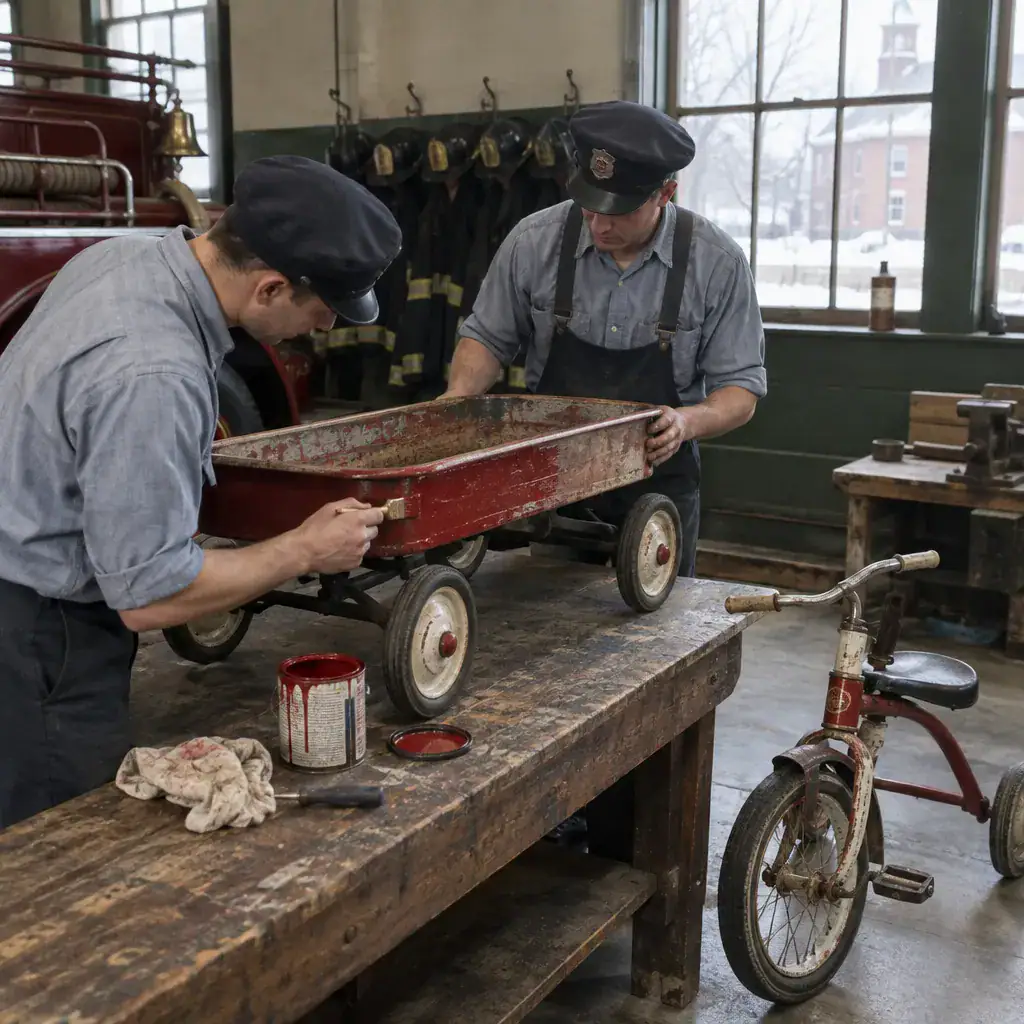
The 1931 toy drive in Ames, Iowa, came with an unusual request. Organizers wanted “gently used and repairable toys rather than new toys.”
People dropped them off at the downtown fire station, a dry cleaner, a coal company and a grocery.
Then the firemen got to work.
For two weeks they repaired and painted wagons, tricycles and go-carts in their spare time at the station.
American Legion members dressed as Santa visited approximately 500 children and handed out approximately 3,000 toys.
18. Old Toys Ready for Another Christmas
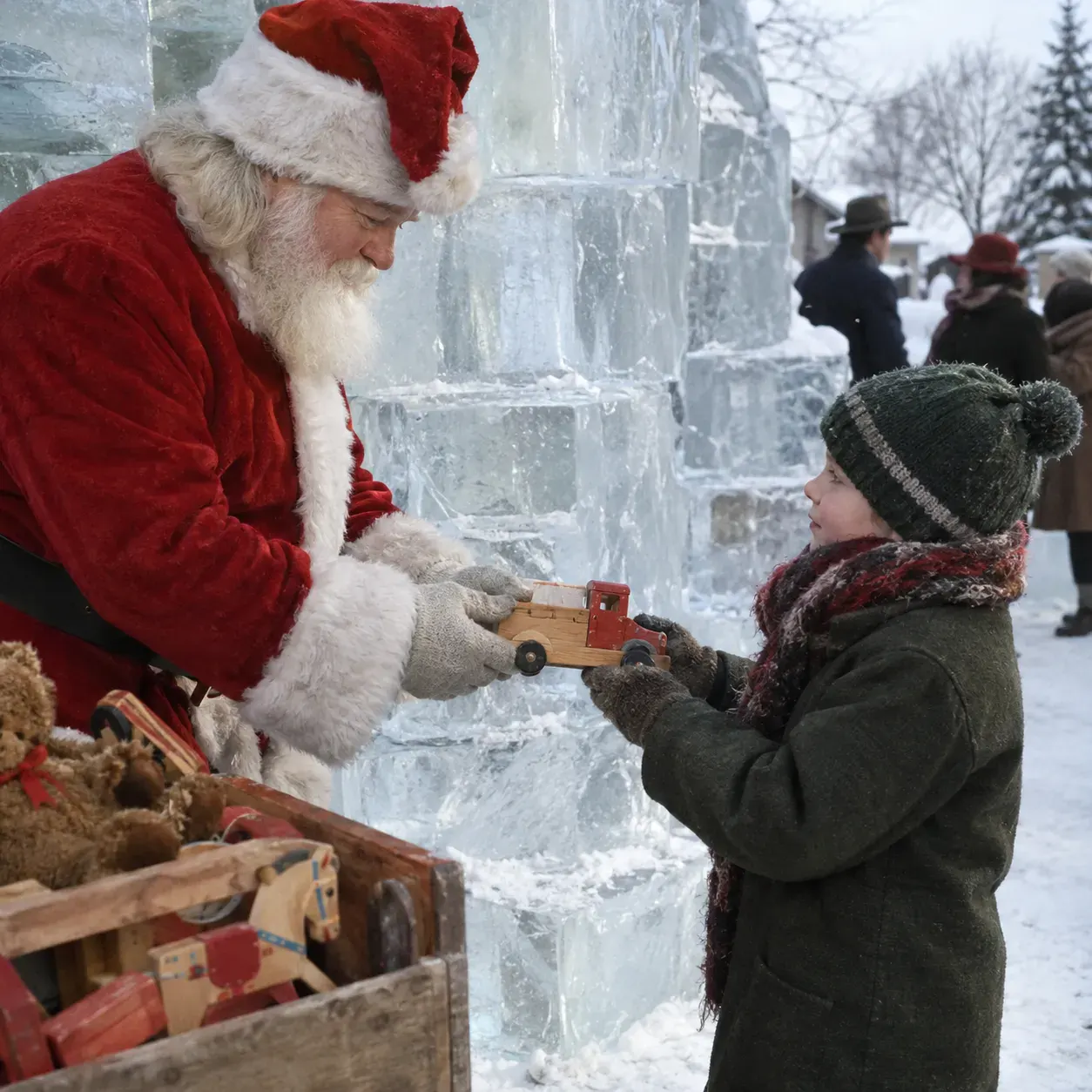
Three truckloads of old, broken toys became Christmas presents in Rhinelander, Wisconsin, in 1932.
Local firehouses were the workshops where they were repaired, repainted and made ready for children again.
On Christmas Eve, Santa handed them out from an Ice Palace built downtown.
Families also received warm winter clothing and “candy, fruits, and nuts for all.”
A donated toy could go home with another child, along with something sweet.
19. Toys You Could Check Out Like Library Books
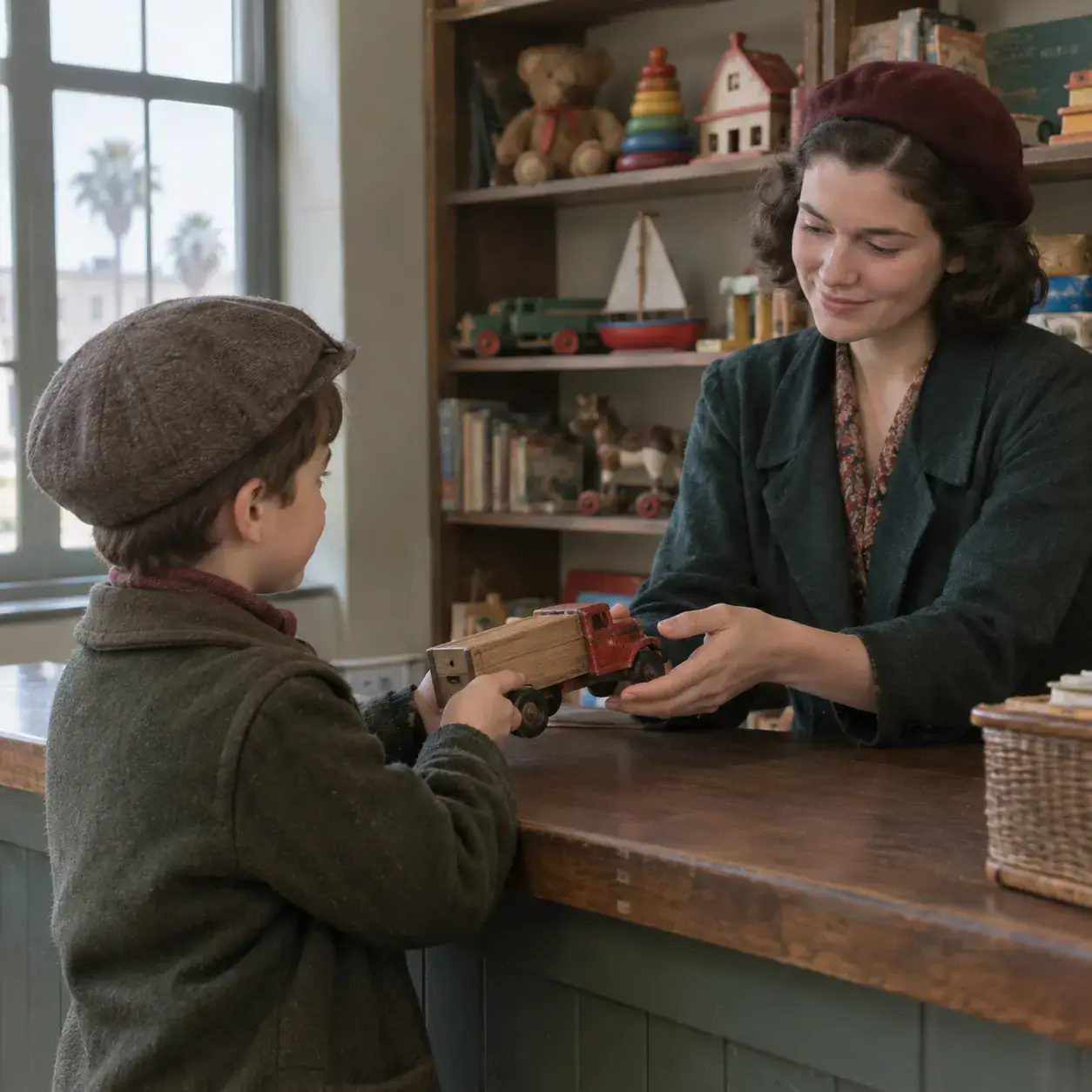
In 1935, people in the Westchester area of Los Angeles started lending toys to children whose families couldn’t afford them.
Kids borrowed a toy “in the same way as they would borrow books from a library,” then brought it back.
An honor code and merit system rewarded children who returned toys on time and undamaged.
Every toy returned on time was a toy the next child could borrow.
It wasn’t a Christmas-only arrangement, but it offered families another way to give children something to play with.
20. Handmade Toys With a Place to Be Mended
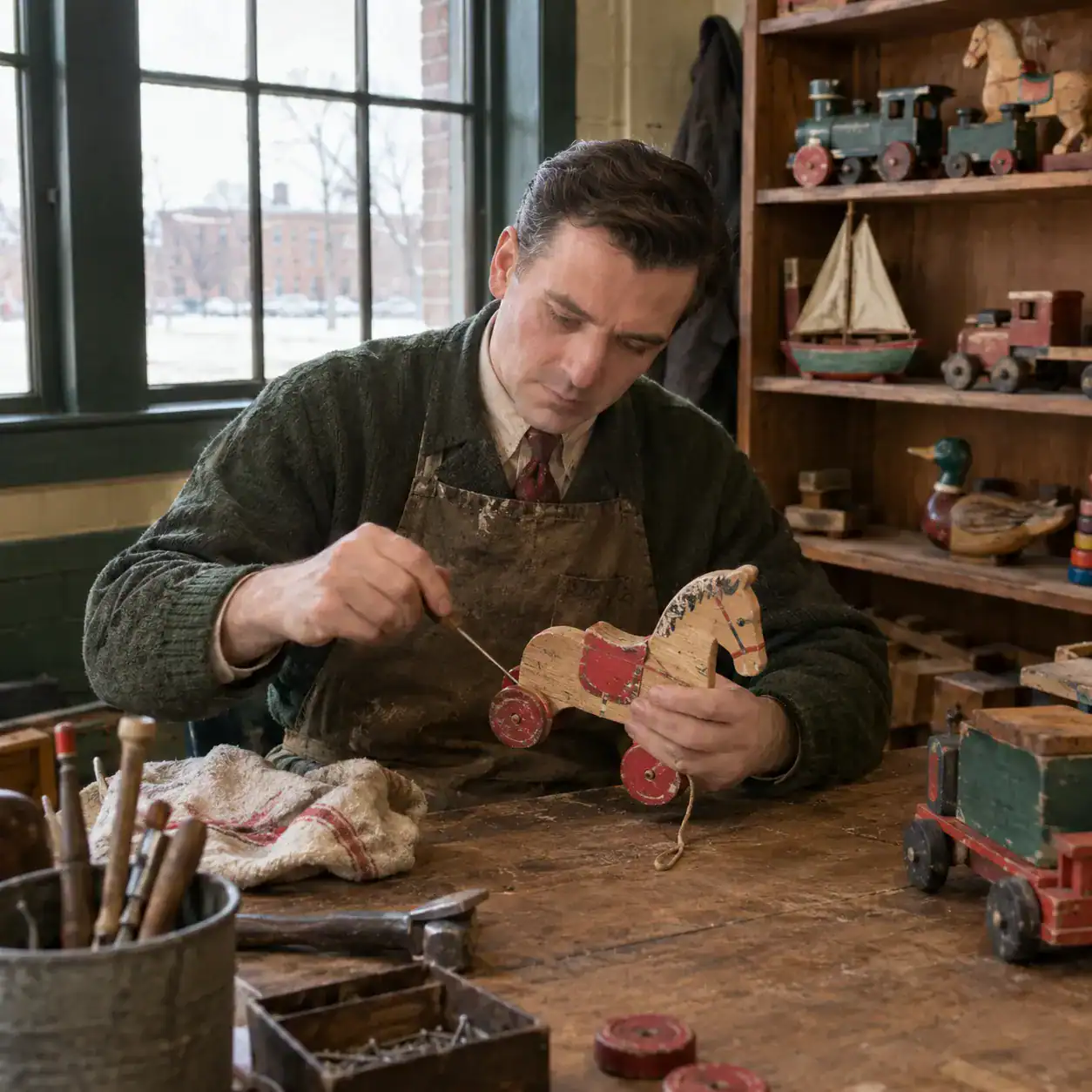
In Chicago, adults in craft classes and Park District employees made toys by hand for children to share.
When a toy broke, it went to the Park District’s “toy hospital” for repair.
The Toy Centers began around 1937 in park fieldhouses, with help from the WPA, the New Deal agency that put unemployed people to work.
Intended as lending libraries, they became busy play centers.
This was year-round play, rather than a special Christmas giveaway.
21. Dolls Made by Hand for Christmas
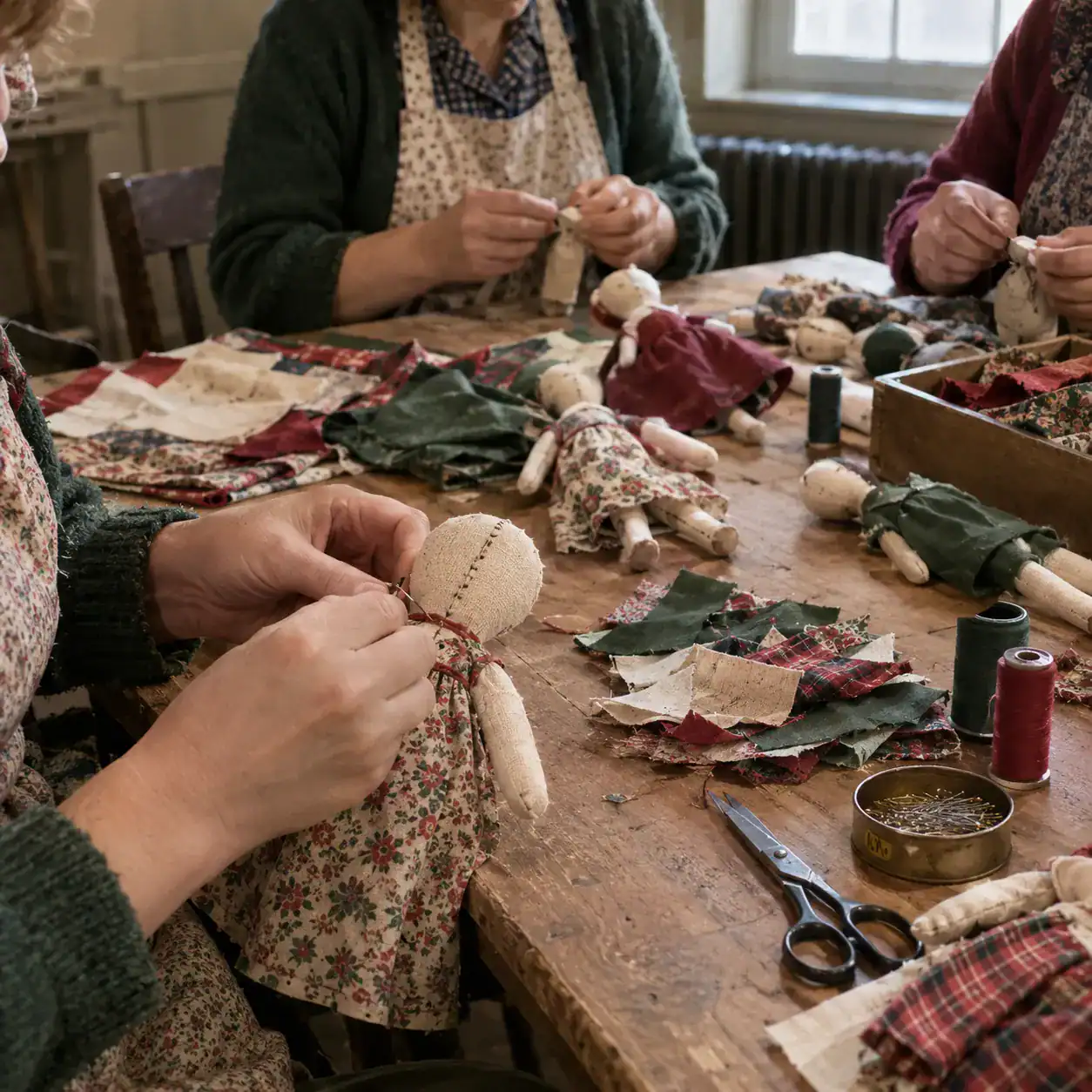
Joseph D. Pack, Mrs. Rosemary Gattman and Mrs. Julia Lee were photographed making dolls in Fort Worth, Texas, in November 1939.
The picture catches the work behind a Christmas toy: people making it by hand.
Their workshop was a WPA Christmas toy factory, part of the New Deal jobs program.
The photograph doesn’t tell us who received the dolls, but it preserves the names of three people who worked on them.
If a relative of yours worked for the WPA, photographs like this one are one place their name might turn up.
22. A Second Christmas for a Donated Doll
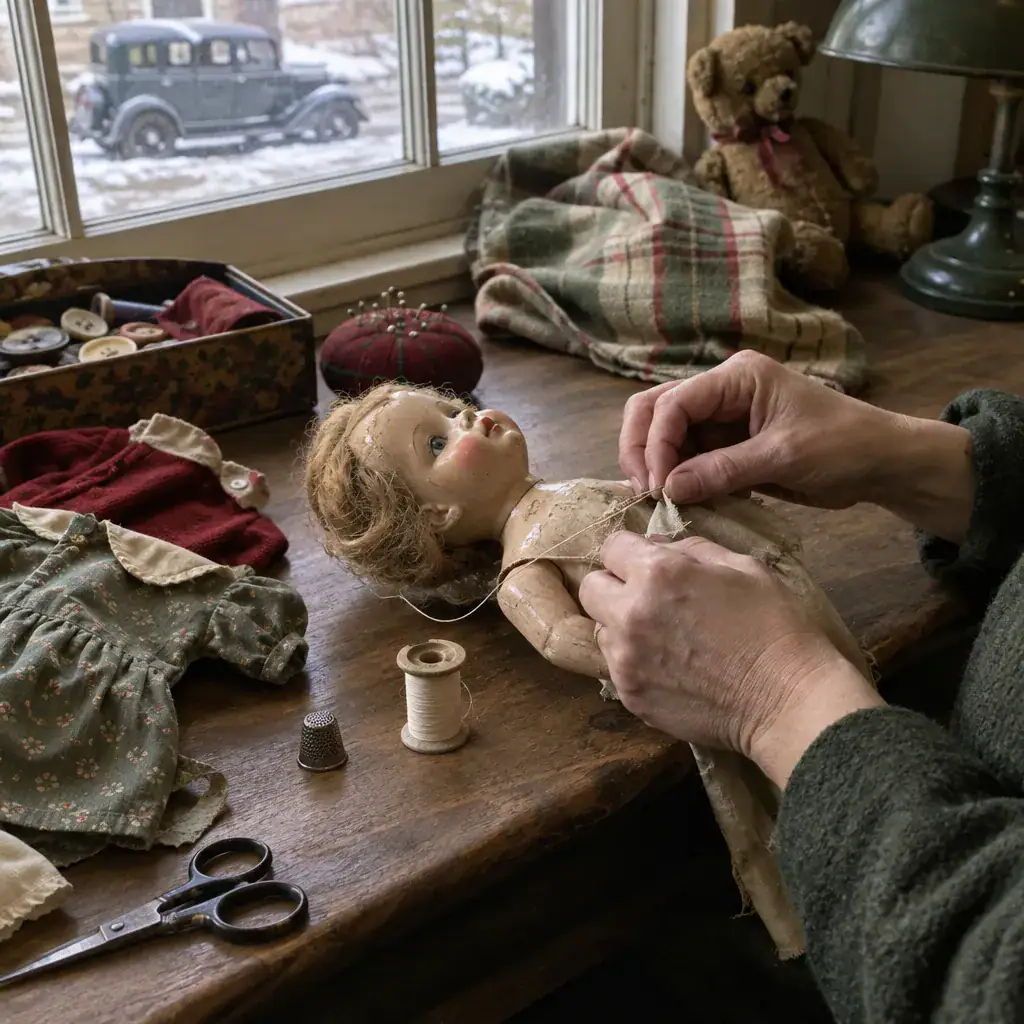
A secondhand doll could become another child’s gift.
A Los Angeles Times photograph from around December 9, 1938, shows a Goodwill worker repairing one of the donated dolls the organization gave to children.
A related photograph appeared under the headline “Cast-Off Toys Made Over.”
The work was in fixing what someone else had finished playing with, so it was ready to be given again.
If a doll in your family looks older than the child it was given to, it may have had a first owner.
23. A Letter to Santa That Got an Answer
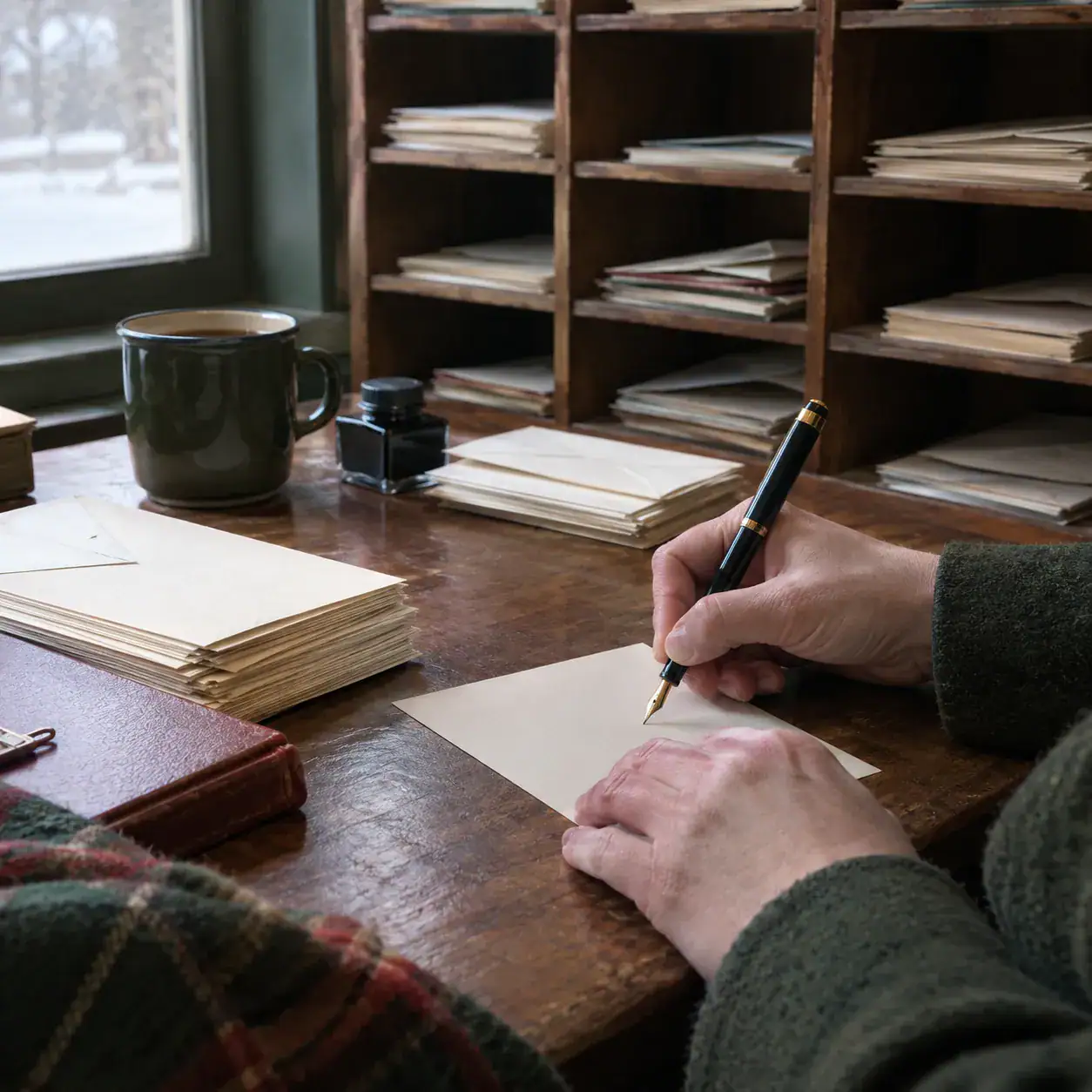
A letter addressed to Santa could reach Santa Claus, Indiana, where people took the job of answering seriously.
Jim Yellig began helping postmaster James Martin write back in 1930.
“When my dad came back in ’30, he saw how busy that made the postmaster, and he started helping him,” his daughter, Pat Koch, told Indiana Public Media.
Behind the reply was someone making time to keep a child’s Christmas correspondence going.
If a relative ever mailed a letter there and got a reply, that answer may still be tucked away in a family scrapbook.
24. Children Wished for Gifts for Someone Else
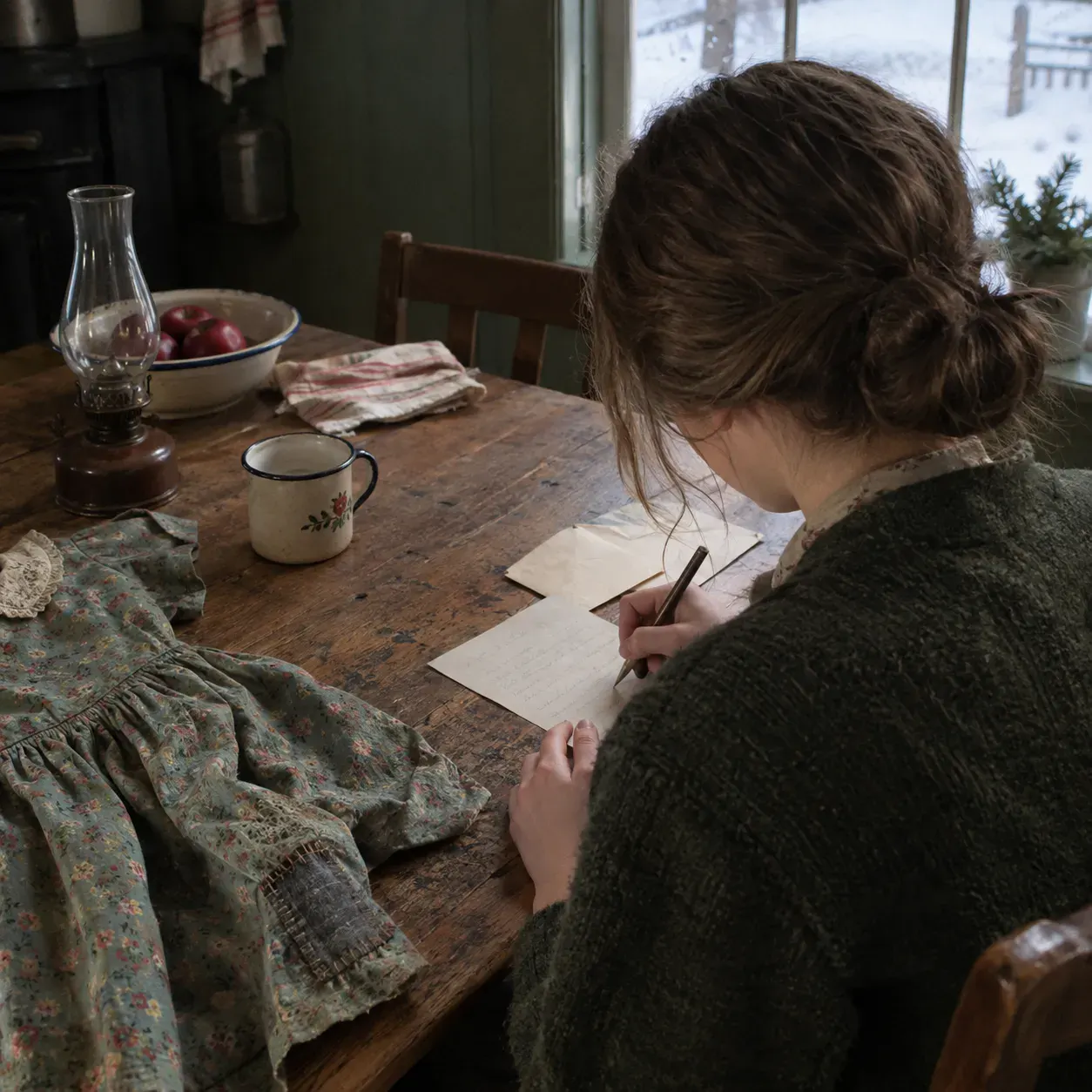
Some children’s Christmas wishes were for the people at home.
Two days before Christmas 1933, a 16-year-old in Keegan, Maine, wrote to Eleanor Roosevelt asking for dresses for his sisters.
Another boy, writing from St. Paul in 1937, asked for a winter coat for his mother, even an old one.
The letters don’t tell us whether either wish was granted.
They do show children thinking about what would help someone they loved.
25. Popcorn on the Tree
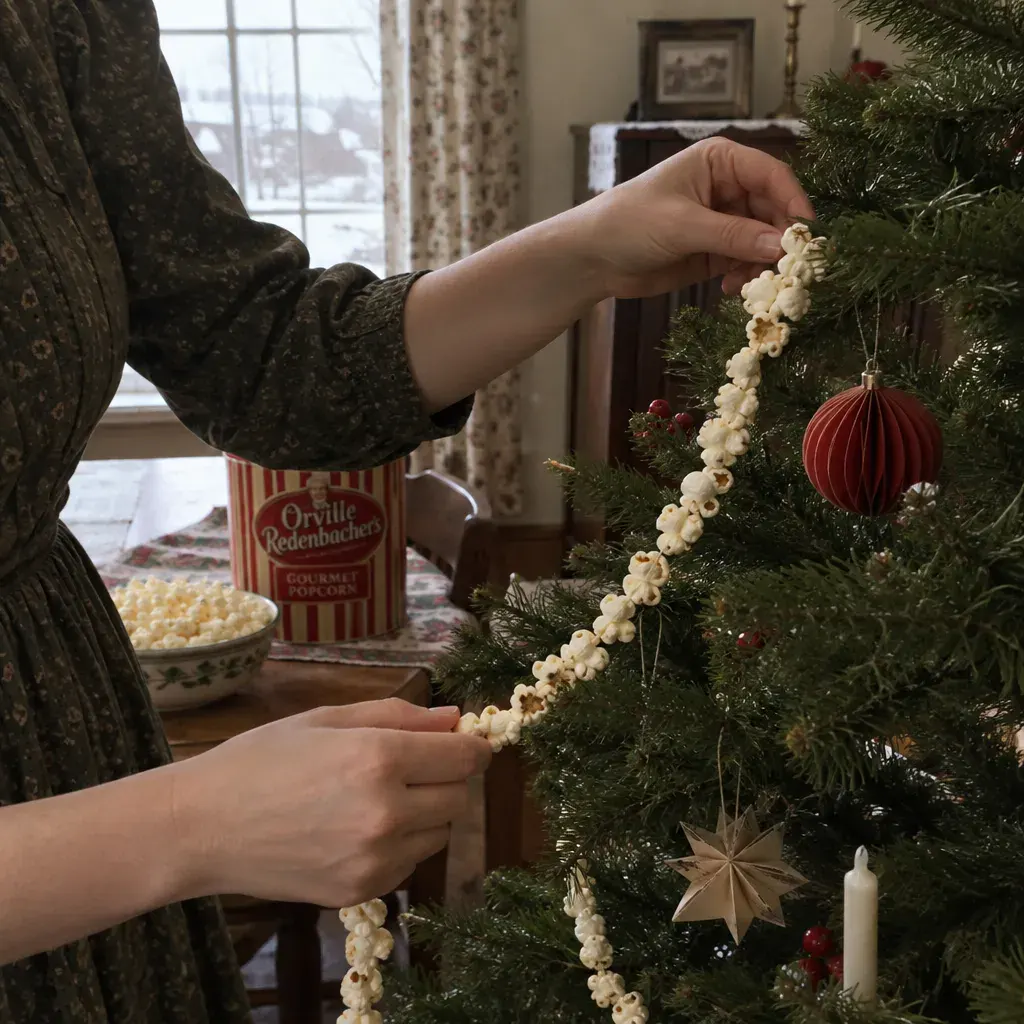
Stringing popcorn for the Christmas tree was already an old custom by the 1930s.
It goes back to the 19th century. What it had going for it in the Depression was price.
Smithsonian magazine notes that at movie theaters, “at 5 to 10 cents a bag, popcorn was a luxury that most people were able to afford,” and a $10 bag of kernels could last a seller for years.
Homemade trimmings fit right in.
The 1931 Rockefeller Center tree wore cranberry strings and paper garlands, and Josephine Oblinger’s students made their own ornaments.
26. A Basket With Christmas Dinner Inside
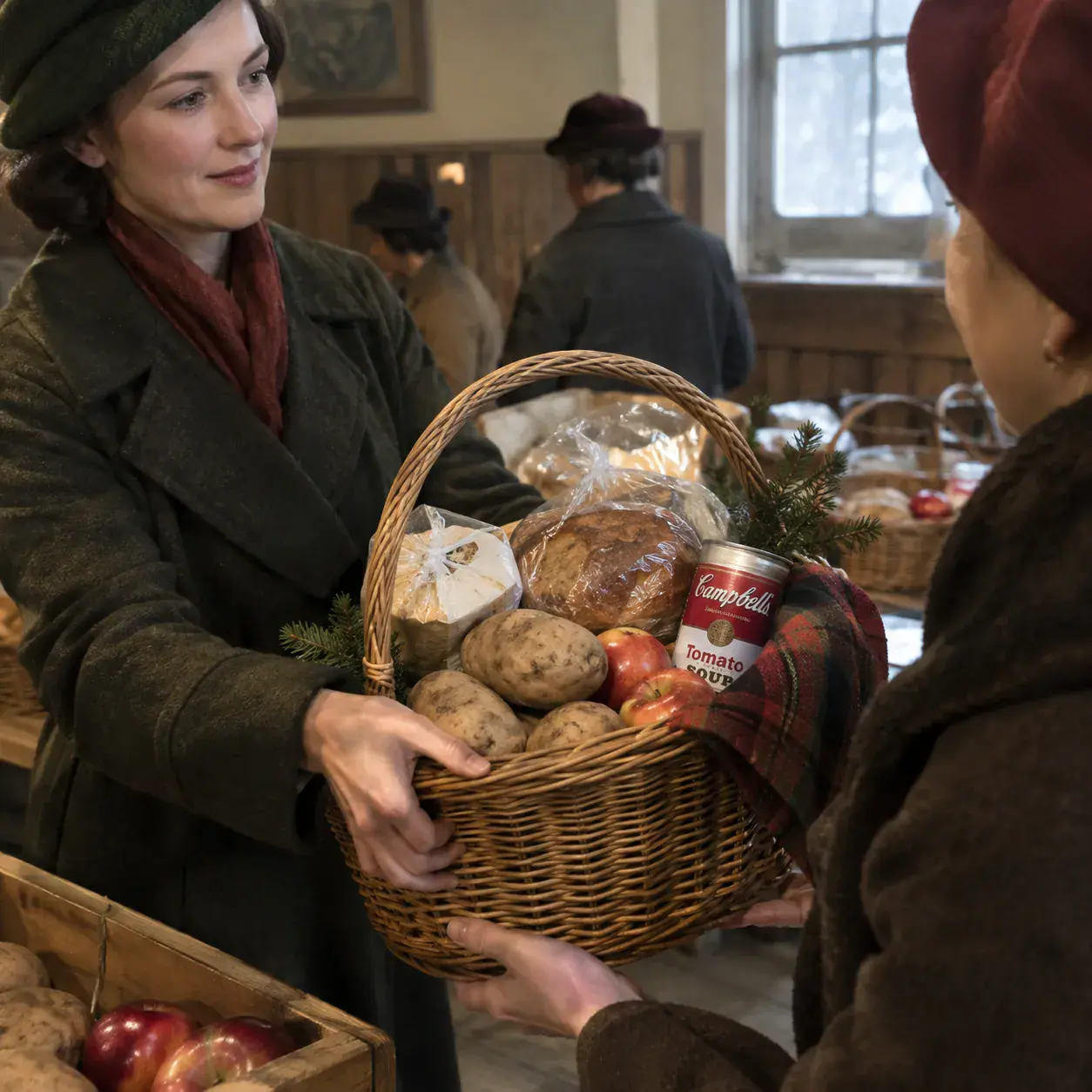
In Fargo, North Dakota, in 1939, a Christmas basket held “all of the makings of a holiday dinner.”
Each cost $3 to fill, with the Salvation Army, WDAY radio and The Fargo Forum bringing the effort together.
Eight hundred Fargo families received baskets, plus about 200 in Moorhead.
The Manchester Biscuit Co. donated fruitcake, too.
The point of all that collecting was a meal a family could share at home.
The Gift That Kept Its Story
A little couch, a piano and four chairs were still worth keeping more than 70 years after a Christmas party. The woman who saved that doll furniture remembered who took her there, too: her older brother, with her sister along. The gift carried a family day with it.
If someone in your family remembers those Christmases, or heard about them firsthand, they’re worth asking. The St. Louis girl who kept that doll furniture for more than 70 years still had the story to go with it. Generational Journeys is an e-book of 170 interview questions to ask relatives, if you’d like help getting that story started.