Half of Eastern Europe named a pork-and-rice cabbage roll after a bird. Polish, Ukrainian, Russian, Slovak, Czech and Lithuanian cooks all call it “little pigeons” or “little doves.” Linguists still can’t agree why.
The other half reached for a Turkish word instead, and the line between the two follows the edge of an old empire.
Here’s why that matters to you. You probably can’t speak your great-grandmother’s language. But you can still say this one word, and you likely mangle it exactly the way she did. So which word was on your family’s table, and what does it give away?
1. Gołąbki (or “Golumpki”): The Polish Table
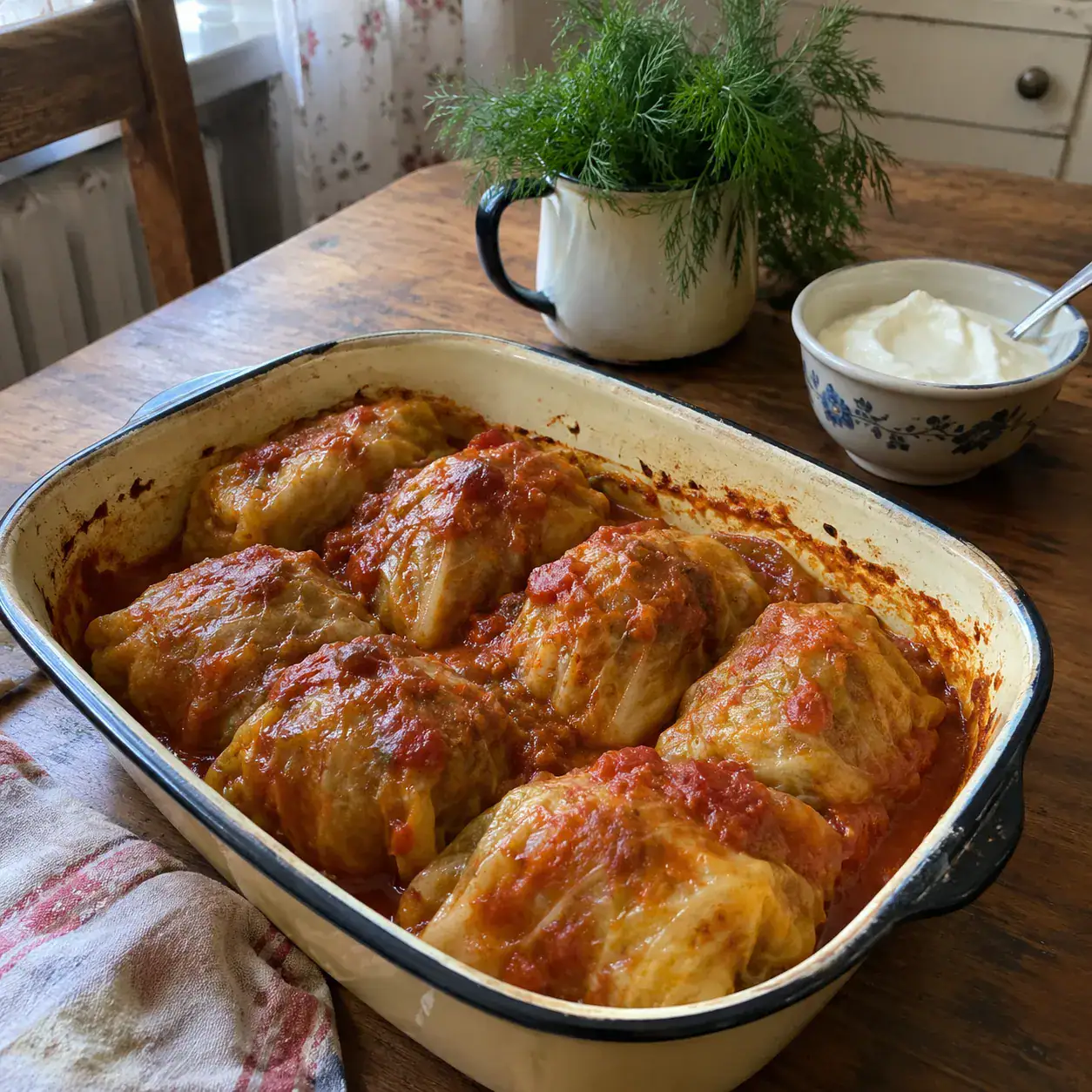
Gołąbki is the plural of gołąbek, “little pigeon.” There are at least four theories about how a bird ended up on the plate.
One says the rolls simply look like one. Another says Poles borrowed the dish and the name from their eastern neighbors, who saw pigeons as symbols of purity and strength. A third points to an elegant French dish of real pigeons baked in cabbage leaves. And linguist Marek Stachowski suspects it was never a bird at all, just an old Eastern word for cabbage that later got bent to sound like one.
Your clue is the spelling. The Polish ł sounds like a “w,” and ą is a nasal “om.” So when a family writes “golumpki” or “gwumpki” on a recipe card, that’s an English-speaking ear catching a Polish-speaking mouth.
2. Holubtsi: One Letter That Points to Ukraine
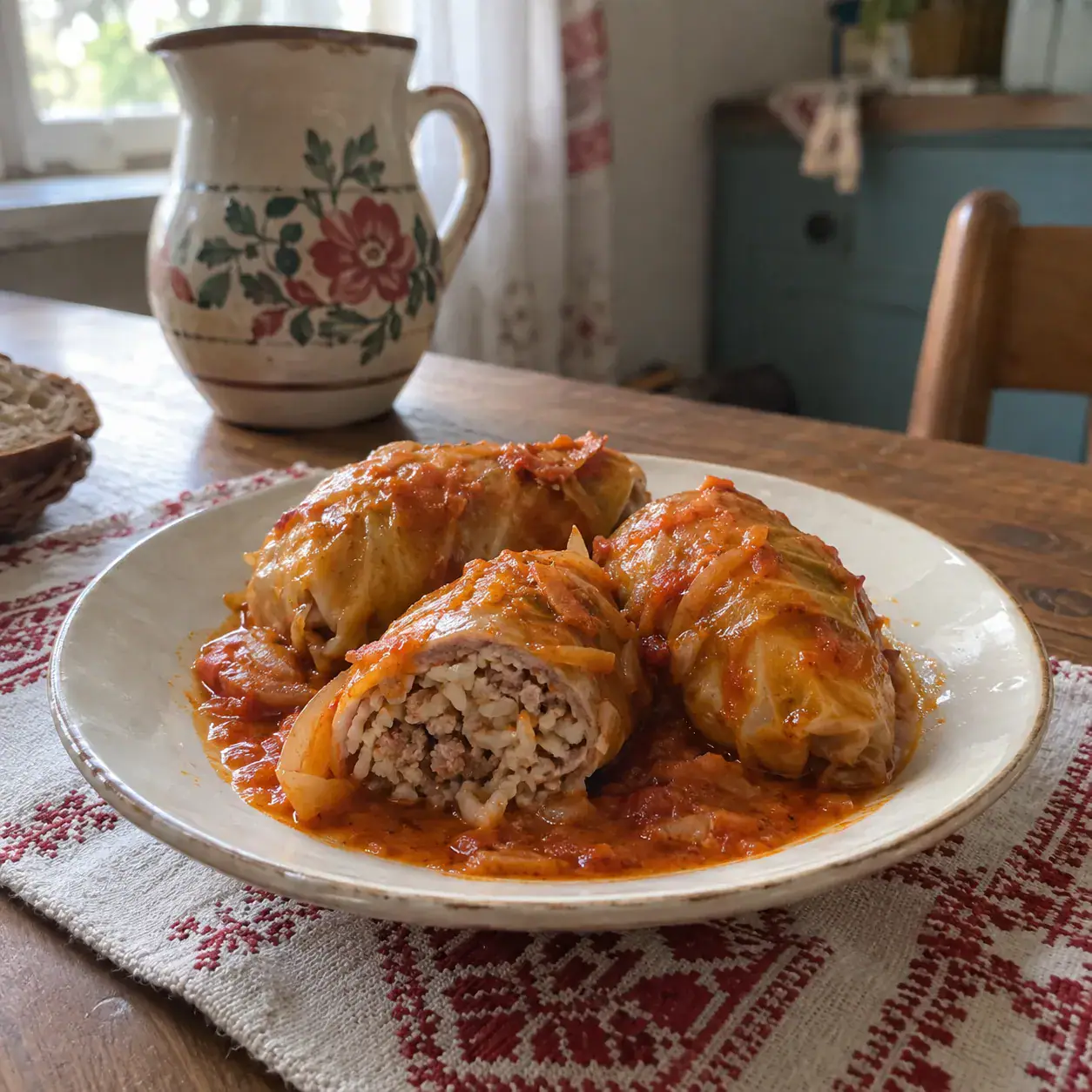
The bird is golub in Russian and holub in Ukrainian. That makes the dish golubtsy in one language and holubtsi in the other.
Why should you care about one letter? Because the paperwork often says “Russia” or “Austria,” and paperwork follows borders. If your family said it with an H, that’s a hint the kitchen language was Ukrainian (or one of its neighbors, which brings us to number three).
Ukraine takes the dish seriously, by the way. On May 4, 2023, cooking holubtsi was added to the country’s national inventory of intangible cultural heritage.
3. Halupki: The Coal-Country Word That Isn’t on Any Map
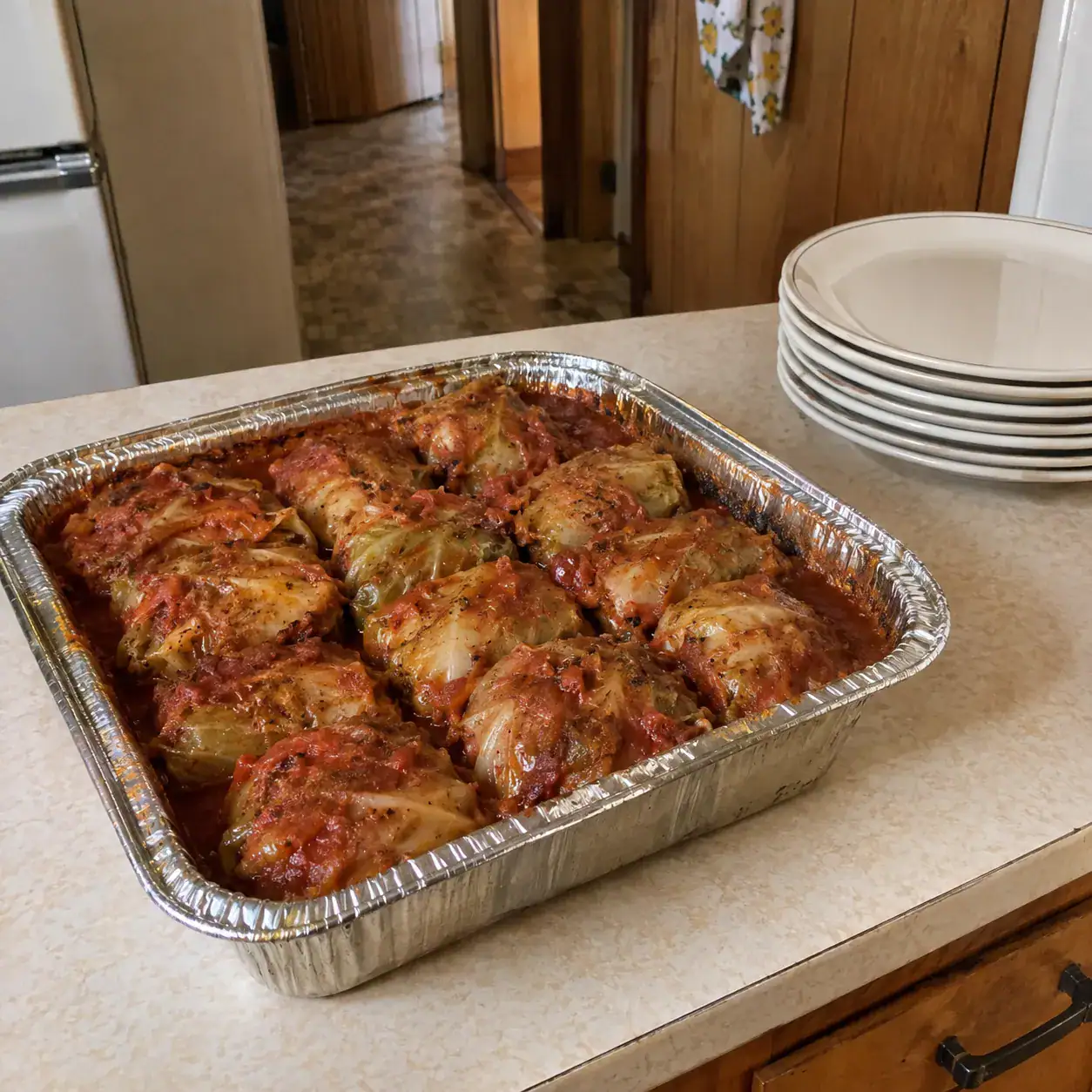
The standard Slovak word is holubky, and even that is regional. One Slovak cook raised in the middle of the country had no idea what people were talking about. It’s an eastern dish, and he first ate it in America.
Halupki is the word you hear in Pennsylvania coal country. Between 1880 and 1914, some 225,000 Carpatho-Rusyn immigrants came to the northeastern United States, many of them to the mining region around Scranton and Wilkes-Barre.
Rusyns came from the Carpathian borderlands and had no country of their own. Most identified with the larger state they had left. Others went down as Ukrainian, Slovak or Russian. So that funny word at the church picnic may be more precise than the passenger list.
One warning: halupki is not haluski. That’s cabbage and noodles, and a different argument entirely.
4. Holishkes or Prakes: Two Jewish Names, Two Directions
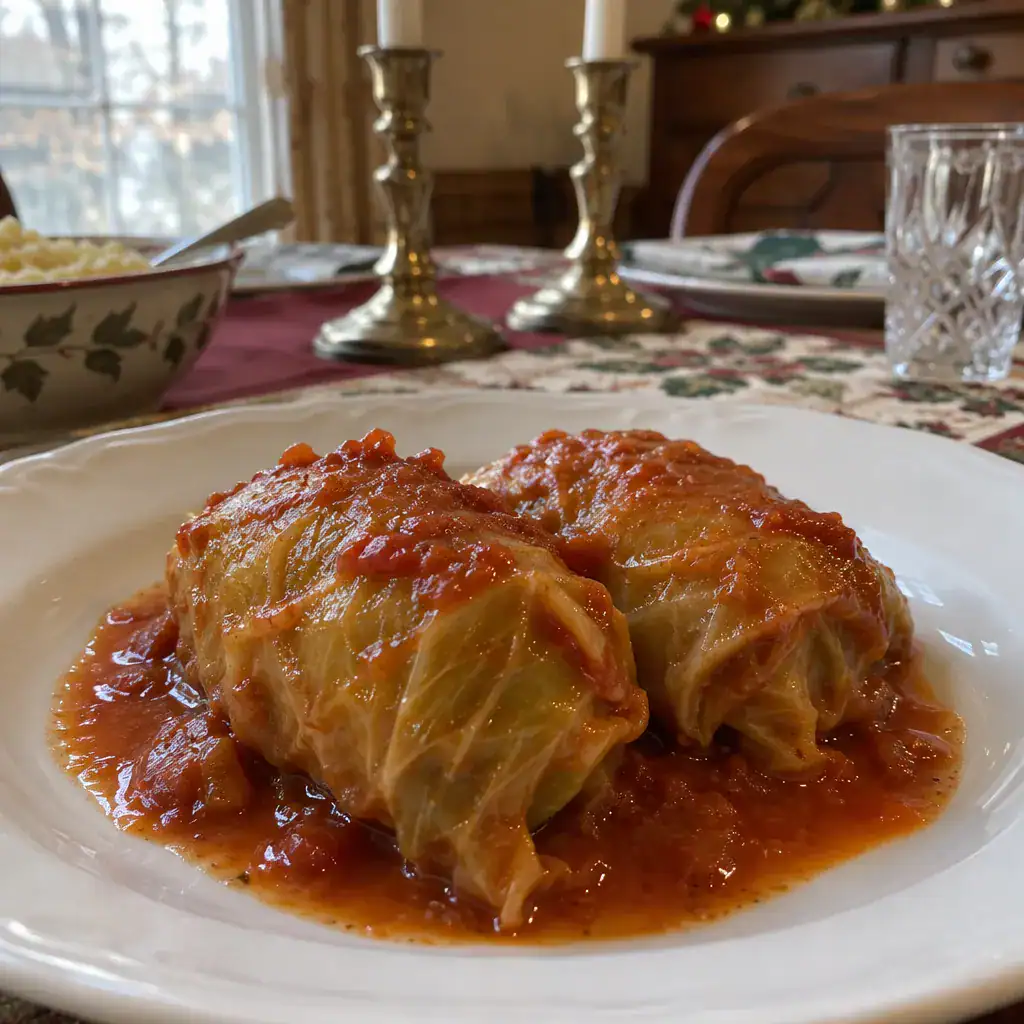
Eastern European Jews had many names for stuffed cabbage. Holishkes, holoptshes and geluptzes all come from the same Slavic dove word as the names above.
Prakes comes from somewhere else: the Turkish yaprak, meaning “leaf.” It was common among Jews of Romania, Moldova and southern Ukraine. One name borrowed from the neighbors to the north, the other from the Turkish-speaking world to the south.
Then there’s Philadelphia, where the rule breaks. Prakes was the common word among Jewish families there, no matter where in Europe they came from. That’s your reminder that a name is a clue, not proof. Neighbors share words.
The sauce is a second clue. Sweet-and-sour points toward Galicia and Ukraine, savory toward northern Poland. And if it showed up on Simchat Torah, the holiday celebrating the Torah, that’s because two rolls side by side look like Torah scrolls.
5. Sarma: The Word the Ottomans Left Behind
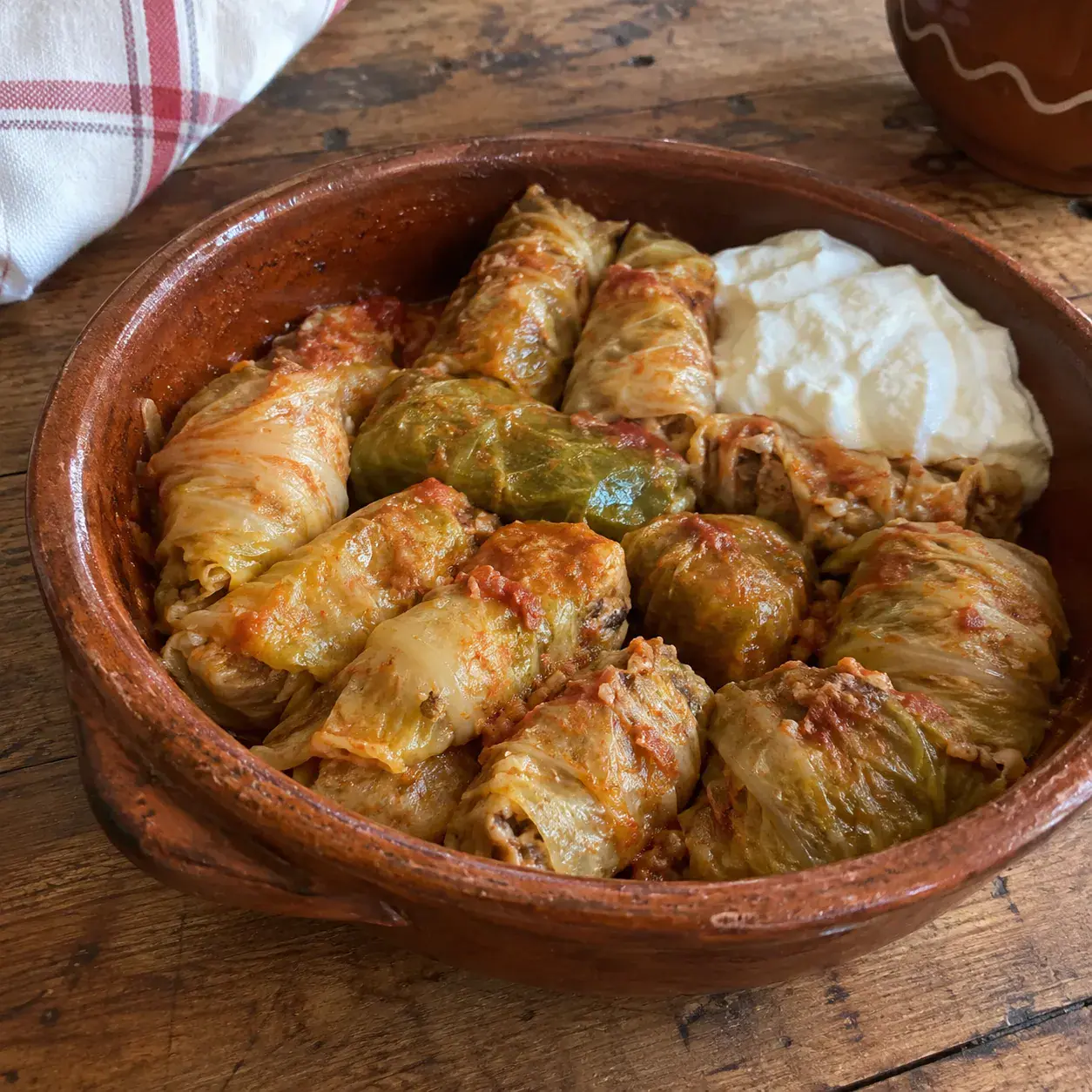
Sarma comes from the Turkish verb sarmak, “to wrap.” You’ll hear it in Bulgaria, Serbia and Croatia, and as sarmale in Romania and Moldova. Some Hungarians say szárma.
If this was your family’s word, the kitchen sat inside or beside the Ottoman world, wherever the border was drawn later.
When it was served narrows things further. In Serbia it belongs to the slava, a family’s patron-saint feast. In Croatia it’s a New Year’s Eve dish. In Romania it means Christmas and Easter.
6. Kåldolmar: The Swedish Name With a Turkish Passport
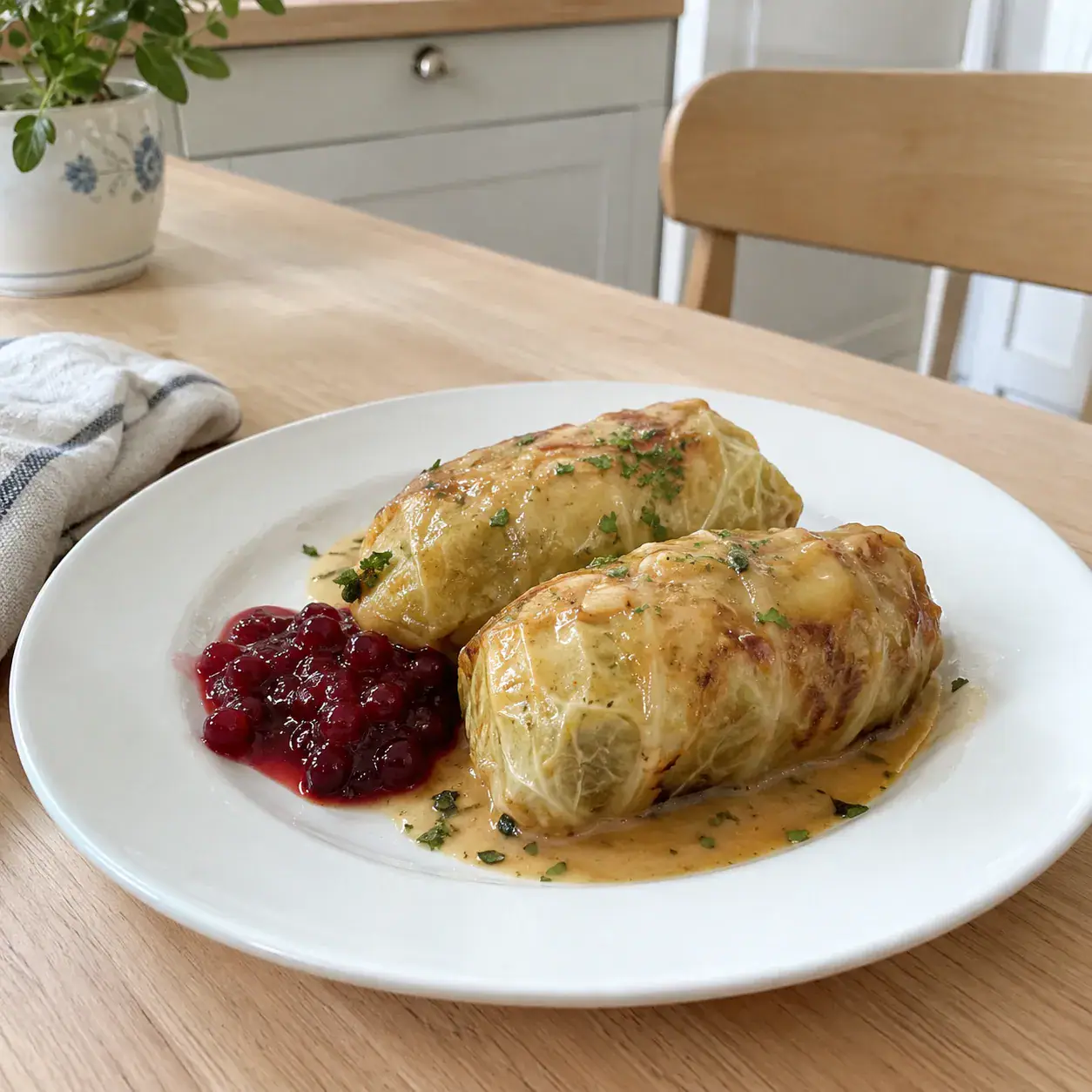
Wait, Sweden? Kåldolmar means “cabbage dolma,” and dolma is Turkish.
The story goes that King Charles XII lost the Battle of Poltava in 1709, fled to the Ottoman town of Bender, and stayed in Ottoman lands for more than five years. A rival theory credits his Ottoman creditors, who came to Sweden to collect on his loans and stayed from 1716 to 1732.
Either way, by 1765 a recipe sat in Cajsa Warg’s famous Swedish cookbook, calling for vine leaves with cabbage as the cheaper stand-in. Since 2010, Sweden has marked Cabbage Roll Day on November 30, the anniversary of the king’s death.
7. “Pigs in a Blanket”: The Name That Was Born in America
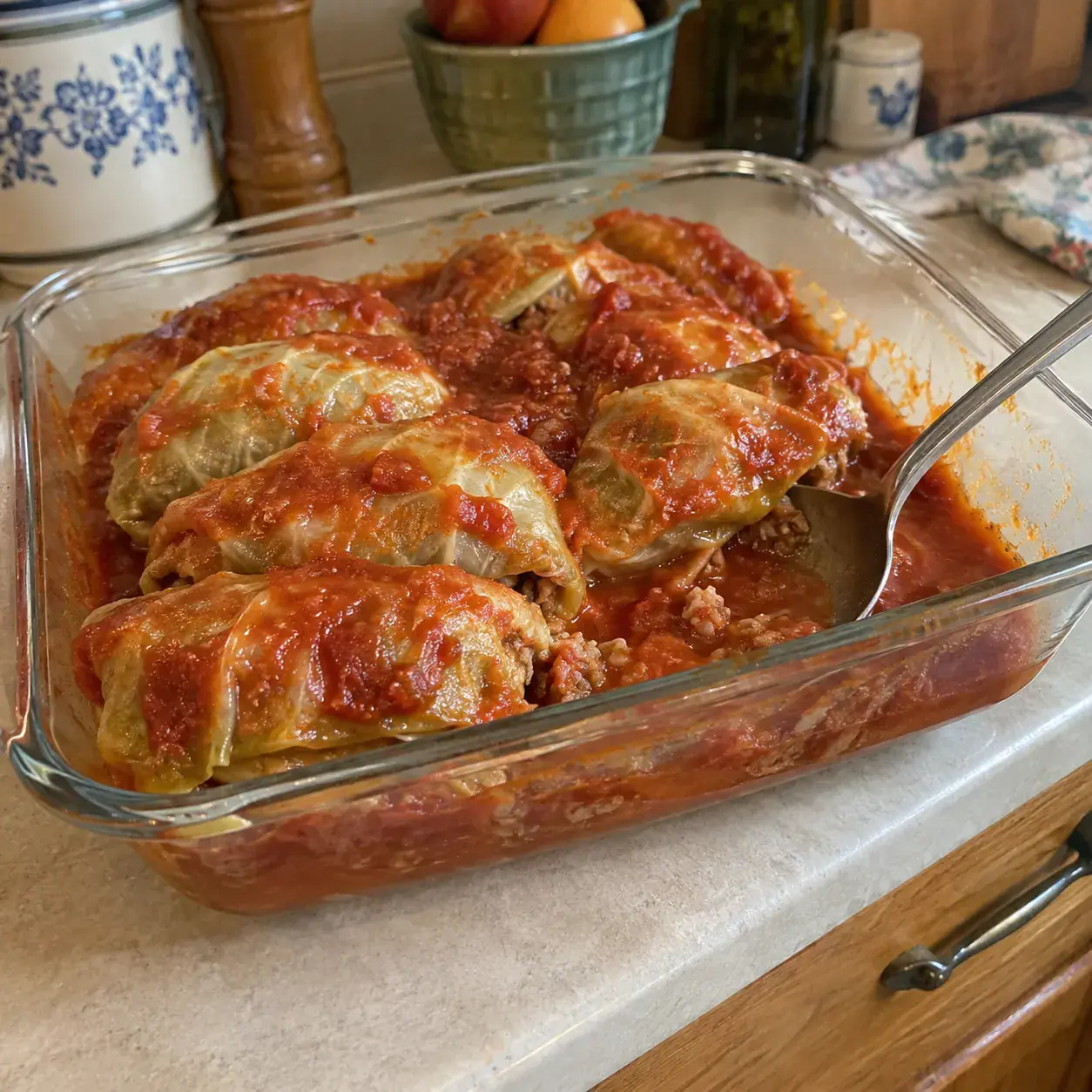
In parts of Pennsylvania, Illinois, Ohio and Wisconsin, “pigs in a blanket” has nothing to do with tiny sausages. It means cabbage rolls.
Nobody recorded how pigeons turned into pigs. At least one American family called them “turtle eggs,” which explains even less.
An English name doesn’t mean the trail went cold, though. It tells you roughly when and where the old word got swapped out. And those four states are where Polish and other Central and Eastern European immigrants settled.
Ask Before the Word Disappears
Call the oldest relative you have and ask four things. What did you call it, and how did you say it? What went in the sauce? Which holiday was it for?
Write the answer down exactly as you hear it, spelling mistakes and all. Don’t correct it. The mangled version is the evidence.
Ready to turn that one word into a story your family keeps? Our Generational Journeys ebook shows you how to trace a name, a recipe and a migration into a history worth passing down.
The language is gone from most of our families. One word made it through, wrapped in a cabbage leaf.