Picture opening your front door on Thanksgiving morning to a child in a mask and baggy old clothes, hand out, asking, “Anything for Thanksgiving?”
You have never seen this child before. And by the custom of the day, you were expected to have a pocket full of change ready.
That knock was real once. So was a holiday where celery stood upright in a glass vase like a bunch of flowers, where villages held dances with printed tickets, and where parade balloons were set loose over the city with a reward for whoever brought one back.
Some of it belonged to your grandparents. Much more belonged to theirs, and it slipped away so quietly that hardly anyone noticed.
Not every custom deserves a comeback in its original form. Nobody is asking for a mince pie made from a bullock’s heart.
But a surprising number would fit right back onto a modern table.
So which of these did your own family quietly let go of, and why?
1. Kids in masks asking “Anything for Thanksgiving?”
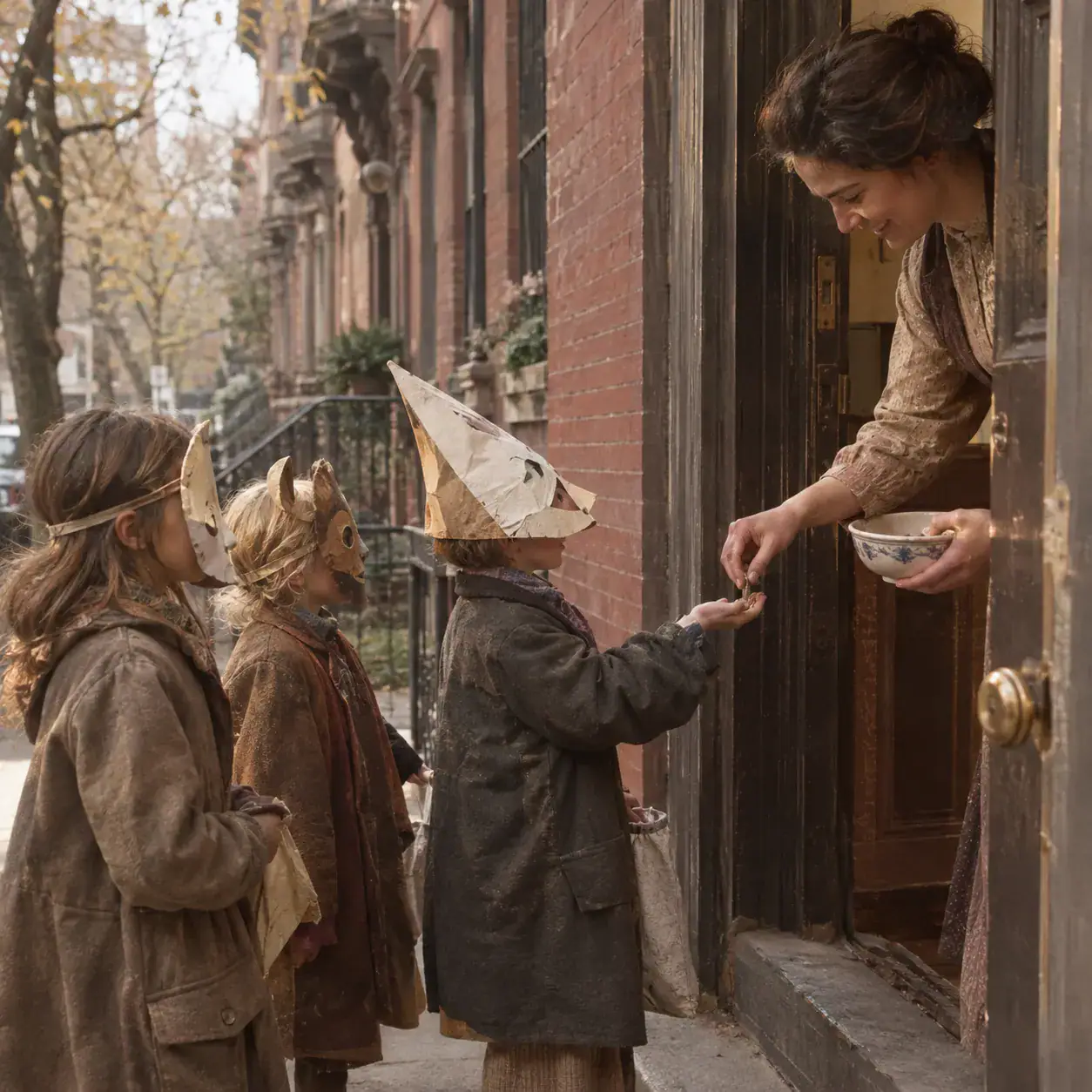
If your family lived in New York around 1900, Thanksgiving morning belonged to children in disguise.
They wore masks, costumes or baggy old clothes made up to look like ragamuffins, the old word for ragged beggars, and asked strangers, “Anything for Thanksgiving?” The take was pennies, nickels and sometimes candy.
The custom goes back to at least 1891 and turned up in other cities too. Grown-ups had opinions. The Logansport Reporter warned in 1908 that “the man who fails to provide himself with a plentiful supply of pennies and nickels…is likely to fare ill.”
The New York Times had already complained in 1903 that “the practice of ringing all the doorbells and demanding backsheesh is long past a joke.”
Adult disapproval and the Depression wore it down, and it was largely gone by mid-century. By mid-century, Halloween had taken over as the main occasion for costumes and door-to-door treats.
2. The trip to Grandfather’s house
The song most people sing has the wrong grandparent.
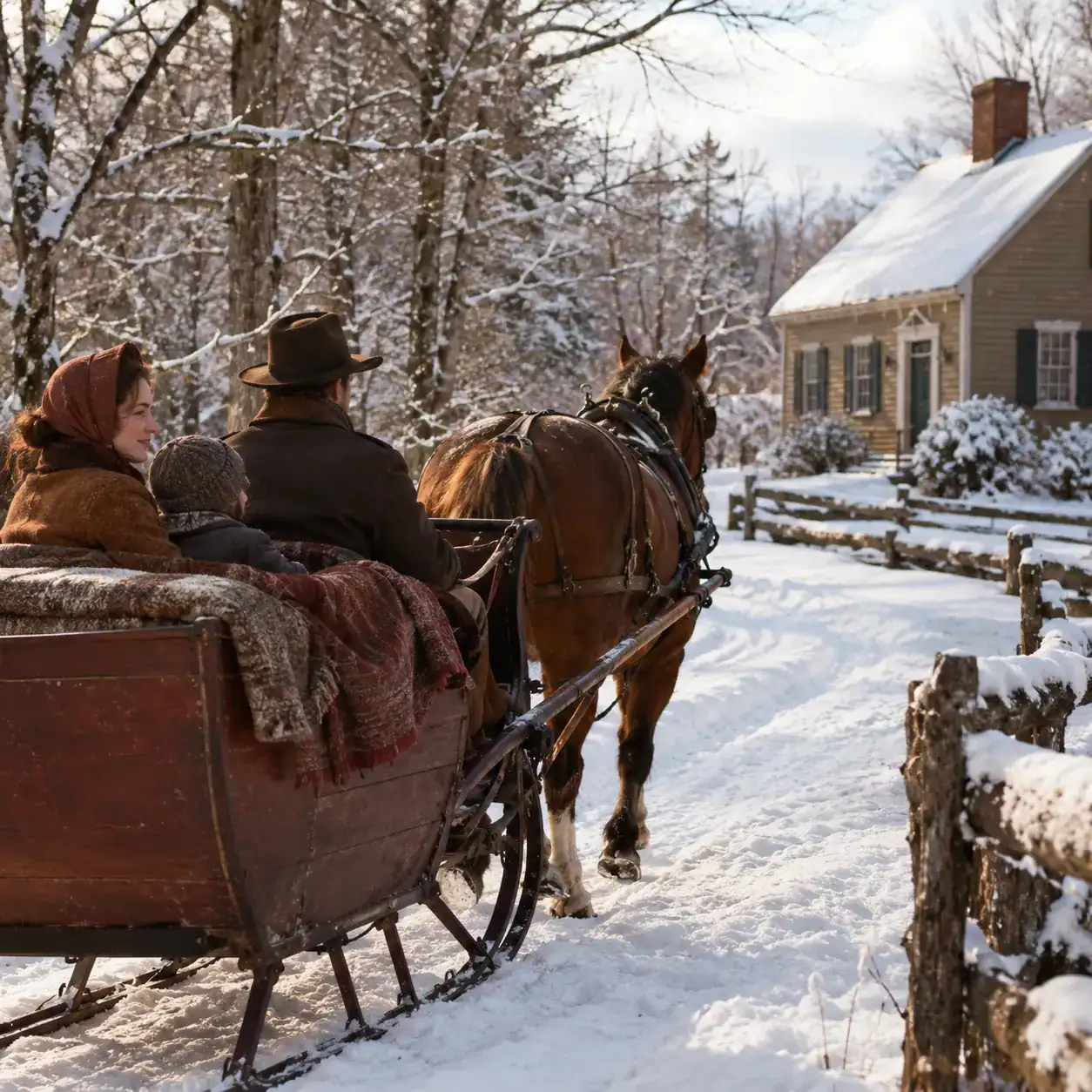
Lydia Maria Child published the poem in 1844 as “The New-England Boy’s Song about Thanksgiving Day,” and her words go: “Over the river, and through the wood, / To Grandfather’s house we go.”
She was remembering her own childhood visits to her grandfather’s house in Medford, Massachusetts.
The original runs 12 stanzas and is a Thanksgiving poem through and through, with lines like “Hurrah for the pumpkin pie!” Many people now sing it at Christmas instead.
What Child celebrates is the journey: “the horse knows the way to carry the sleigh / through the white and drifted snow.” Getting there was part of the holiday.
3. Everyone at one table, in the best room
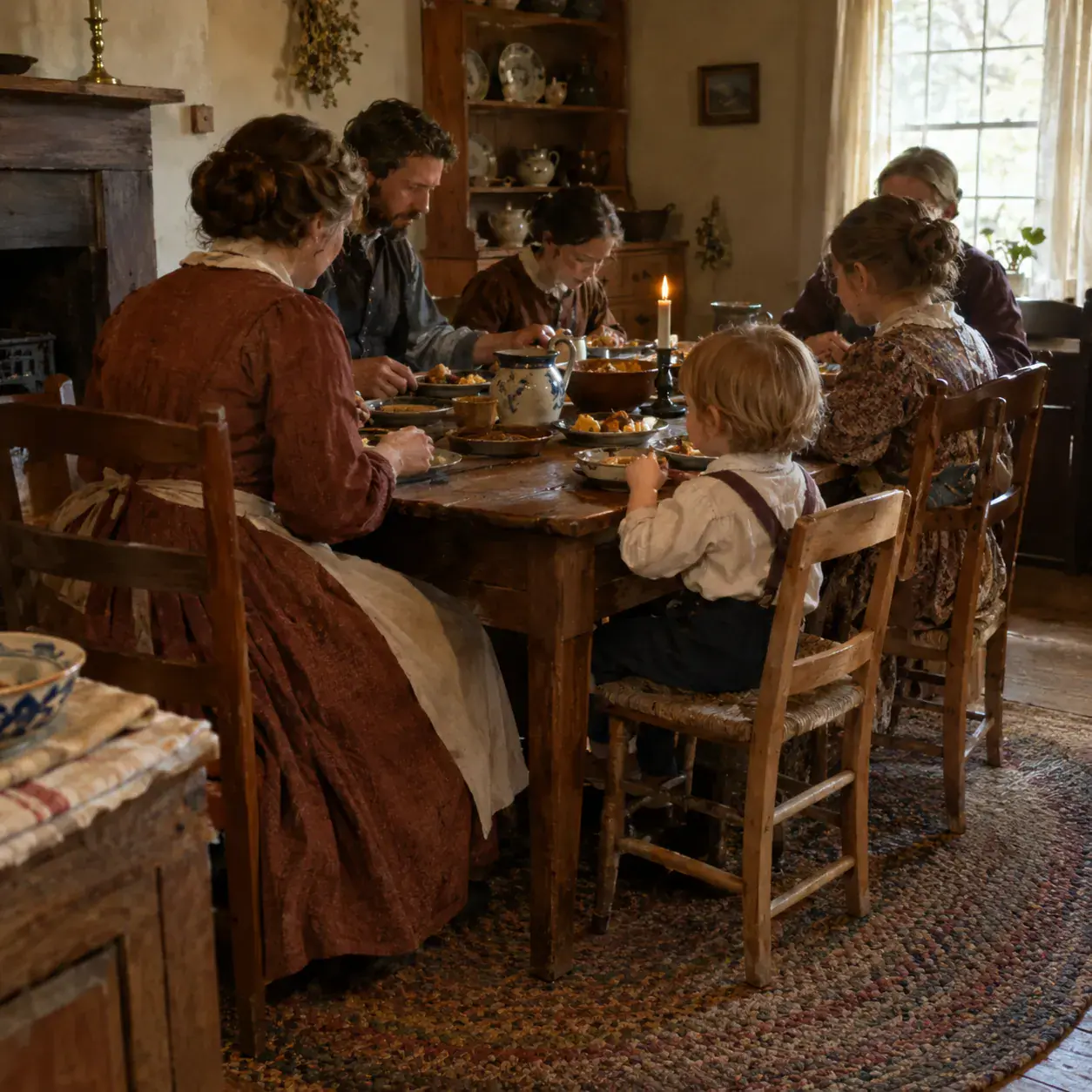
No kids’ table.
In Sarah Josepha Hale’s 1827 novel Northwood, a work of fiction drawn from New England custom, Thanksgiving dinner is laid out in the “best room,” whose carpet the children were “seldom… allowed the high privilege of stepping on… excepting at the annual festival.”
And everyone sat down together.
The table “was now intended for the whole household, every child having a seat on this occasion and the more the better, it being considered an honor for a man to sit down to his Thanksgiving supper surrounded by a large family.”
Hale later campaigned for years for a national Thanksgiving, and Lincoln proclaimed one in 1863. Her picture of the holiday done right was one crowded table, with the youngest squeezed into the room they were usually kept out of.
4. Celery standing in a glass vase
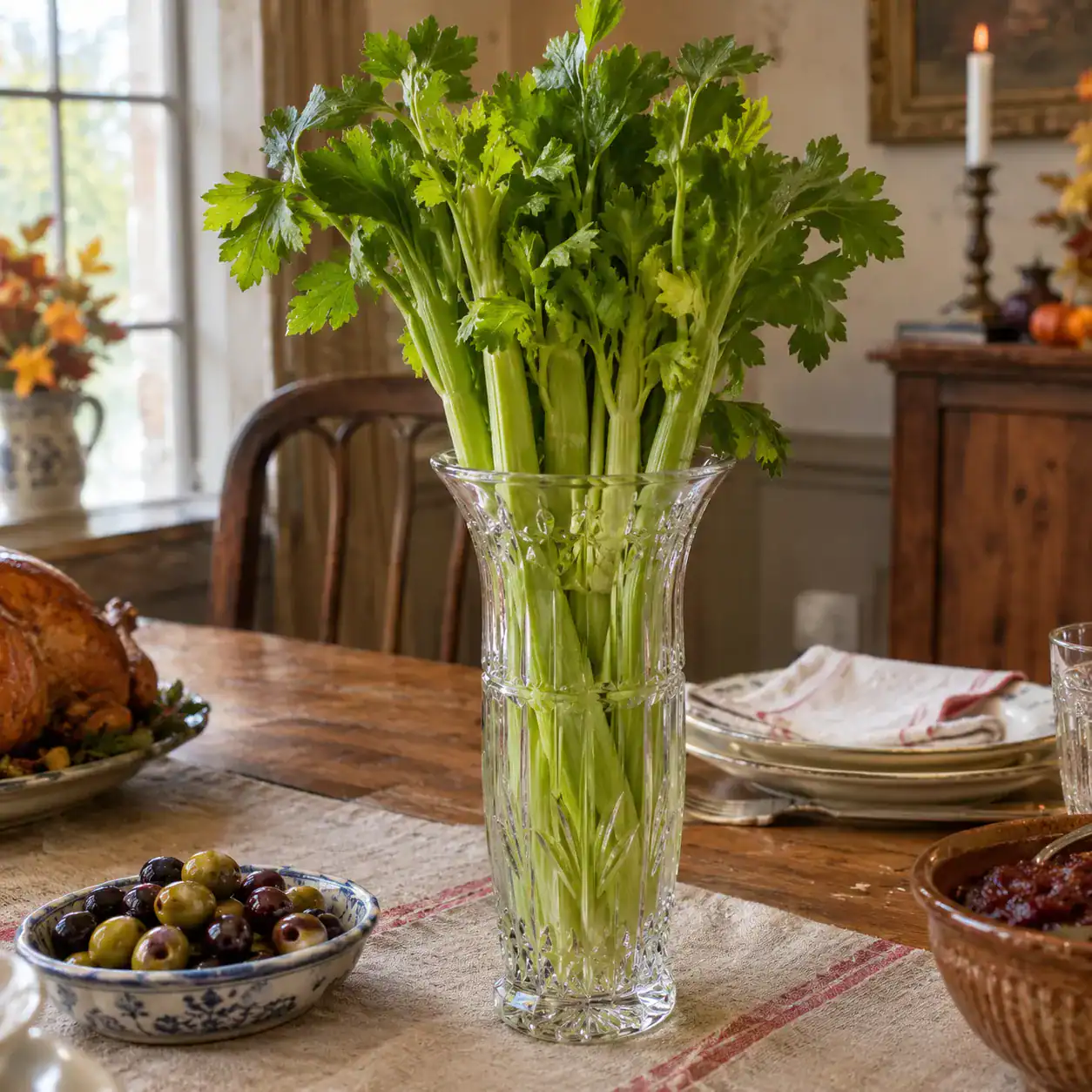
For decades, a tray of celery and olives was close to compulsory.
“From the late 1800s until the 1960s,” journalist Hilary Sargent found in almost a hundred years’ worth of Thanksgiving menus, the pair “were a must on seasonally decorated tables in homes across America.”
Celery was the glamorous one. It was a fancy food, in season only from November through March, at a time when raw food was considered unhealthy. Having something raw “was a marker that it was a special occasion,” says Lucy Long of the Center for Food and Culture.
Before the tray came the vase. Celery vases held the stalks upright “like a bouquet of flowers” in the middle of the table, and they were most popular from 1830 to around 1880.
A glass museum in Wheeling, West Virginia, has exhibited celery vases made there between 1835 and 1890. A tall bunch of celery as a centerpiece would still get a reaction.
5. Hearing the proclamation, then going to the morning service
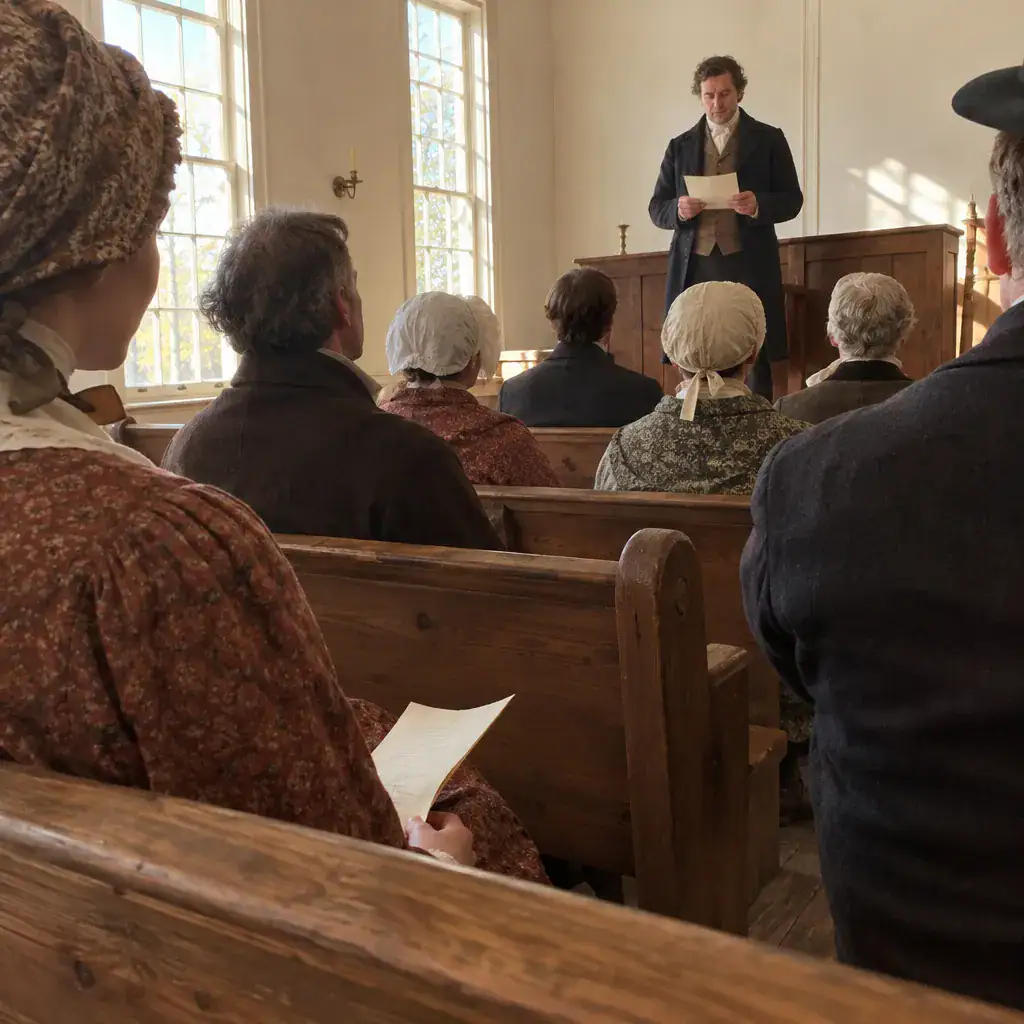
Before Thanksgiving was national, it arrived by proclamation, one state at a time.
In 1825, Maine Governor Albion K. Parris set the day for Thursday, November 24, and asked residents “to assemble, on that day, in their several places of religious worship” and “to abstain from all labor and recreation, inconsistent with the services of said day.”
That year Boston’s Columbian Centinel reported a “General Thanksgiving” in New York, Massachusetts, Connecticut, Maine, New Hampshire and Vermont, all on “the same day.”
In 2015, the living-history museum Old Sturbridge Village offered a reading of the Thanksgiving Proclamation in its Center Meetinghouse.
Religious or not, there’s something to a few formal words spoken aloud before the meal.
6. Mince pie, the kind with meat in it
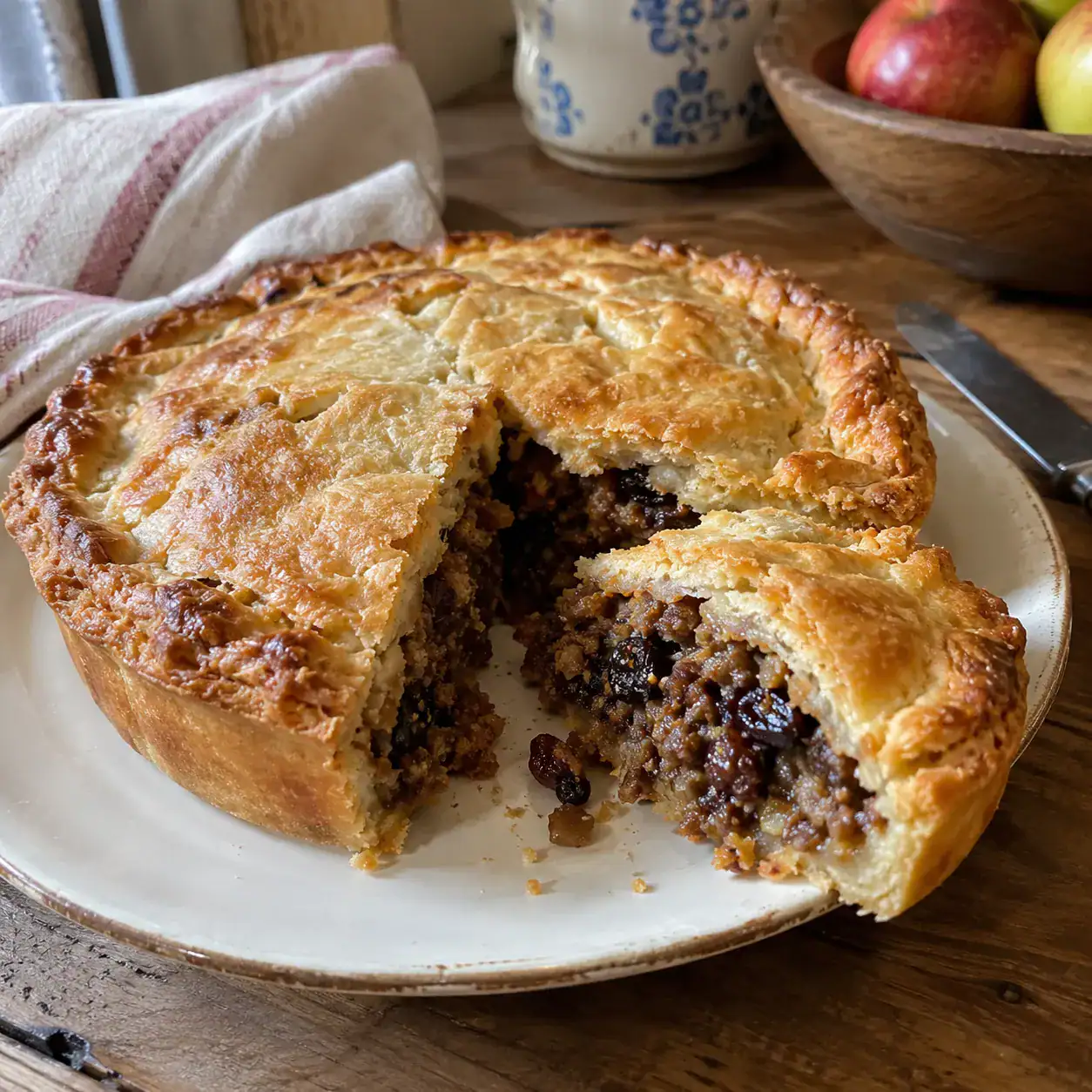
Mince pie came to New England with English settlers, and for a long time it was a meat pie. Eliza Leslie’s 1837 Directions for Cookery gives recipes made with bullock heart and with tongue.
About half of American cookbooks before 1861 that included mince pie had only meat versions.
Sarah Josepha Hale called it essential and dangerous in the same breath. In 1851 she wrote that at Thanksgiving mince pies “are considered indispensable,” but she hoped “this rich, expensive and exceedingly unhealthy diet” would be eaten sparingly the rest of the year.
“For children they should be forbidden food,” she added, since “so tempting is the taste, that the only security consists in not tasting.”
By one account, mince pie was considered America’s national dish until the 1940s, when apple pie rose in popularity. Leslie drew the line in 1857 at setting it on fire, a “foolish custom” that was “considered ungenteel and tavern-like.” The flaming version can stay retired.
7. Singing “We Gather Together”
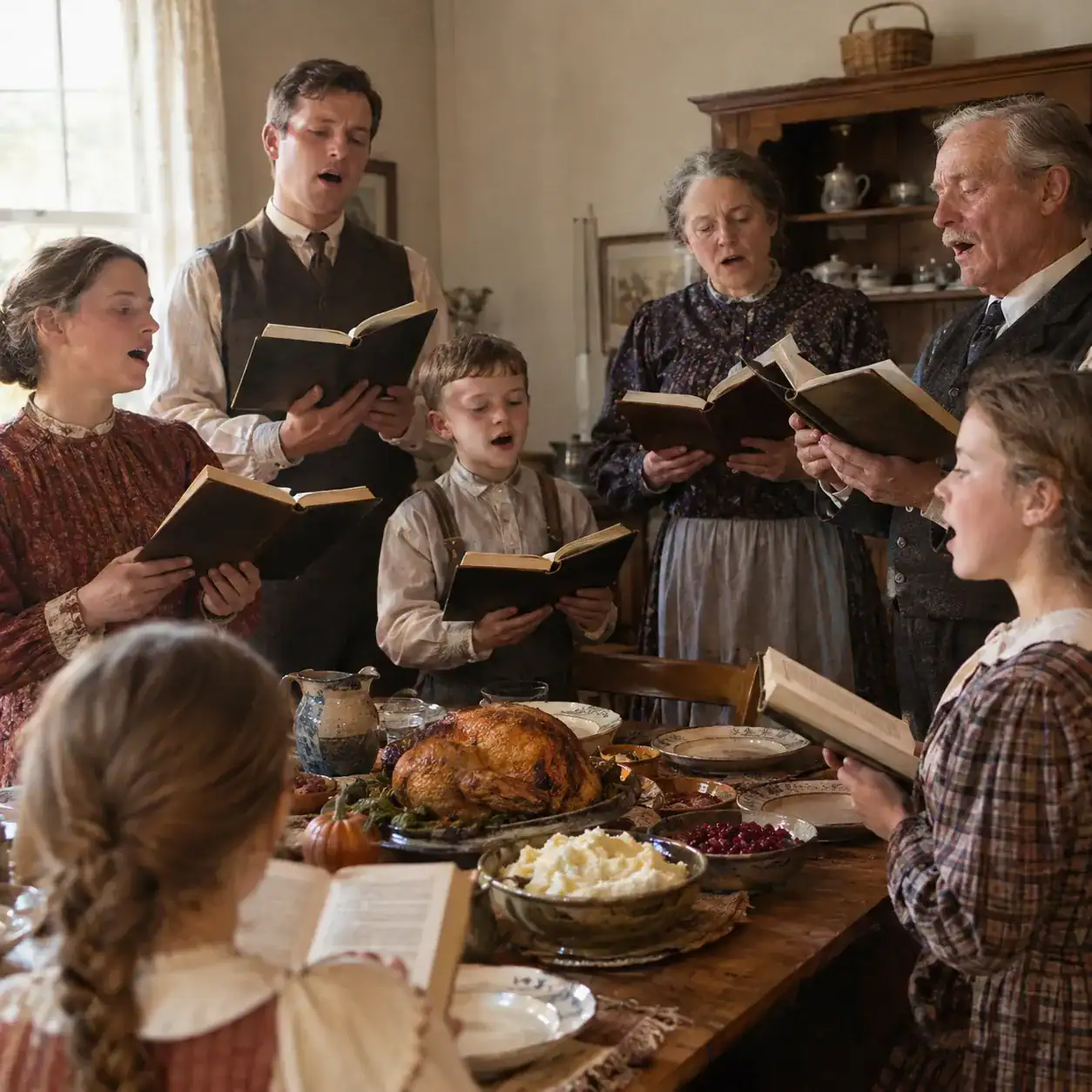
A familiar Thanksgiving hymn began as a Dutch victory song.
Its author is unknown, and it was printed in Adrianus Valerius’s 1626 collection, Nederlandtsch Gedenckclanck, celebrating freedom from Spanish rule.
The words about gathering carried real weight. Under Spanish rule, Dutch Protestants had been forbidden to gather for worship.
Eduard Kremser arranged it in 1877, and Theodore Baker’s English text appeared in 1894 in an anthem titled “Prayer for Thanksgiving.”
That title did the rest. It is still often sung at Thanksgiving services and at family meals on the day.
8. Five kernels of corn on each plate
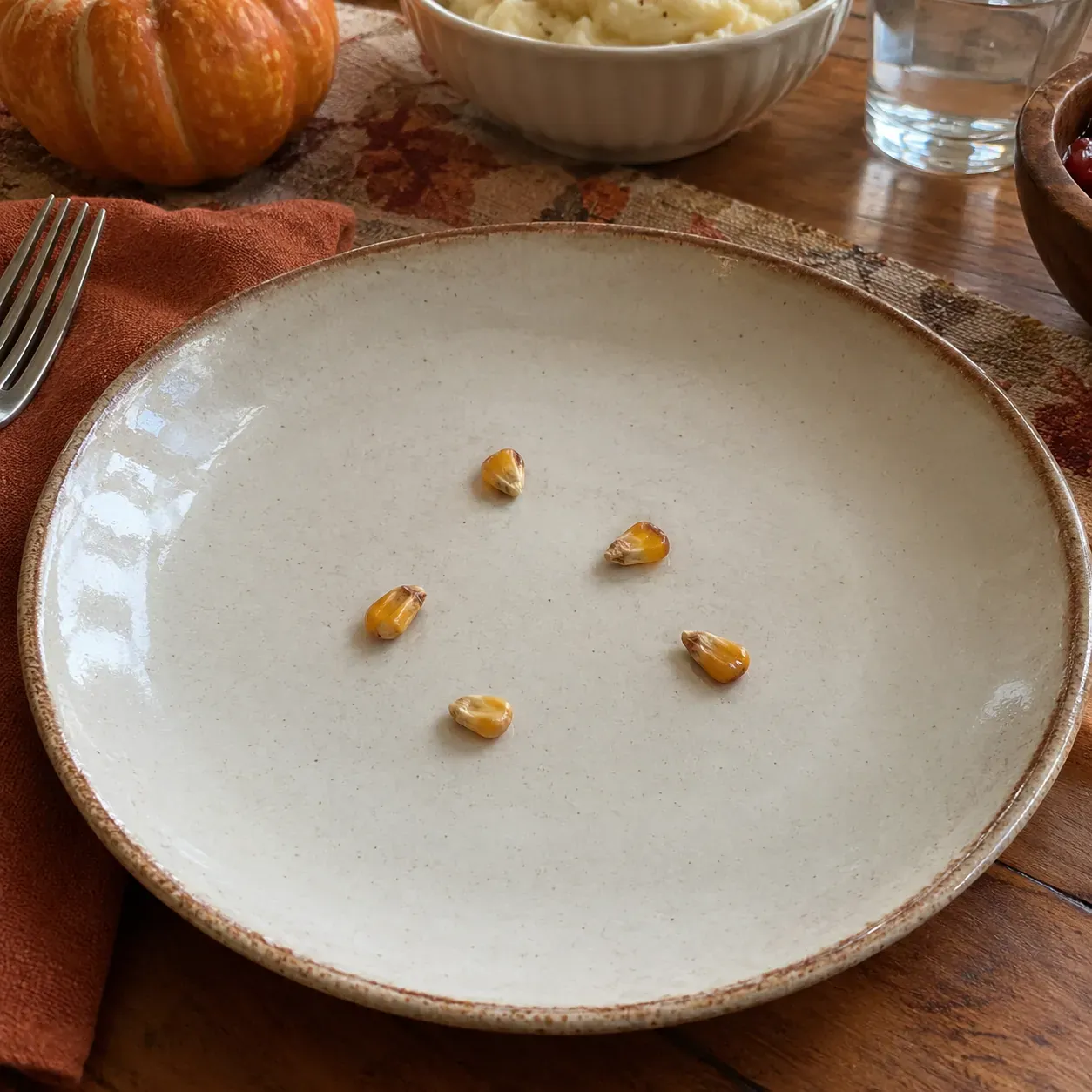
This custom rests on a story that almost certainly isn’t true, and it’s lovely anyway. Five kernels of parched corn go on each plate as a reminder of the Pilgrims’ hardest days.
The first record of it is an 1820 Forefathers’ Day dinner in Plymouth, where the kernels were meant to recall “the time in 1623, when that was the proportion allowed to each individual.”
That ration doesn’t appear in Bradford, the colony’s own chronicler. Historian Jim Baker’s 1998 account summarizes Bradford: the colonists went without corn for two or three months and lived on fish, shellfish and other available foods.
Baker quoted J. A. Goodwin’s 1888 verdict that the story “rests on no foundation, and is opposed to common-sense.”
So the ration is a legend. The custom is real, though, and two centuries old, and some churches and families still set the kernels out today.
9. The Thanksgiving ball
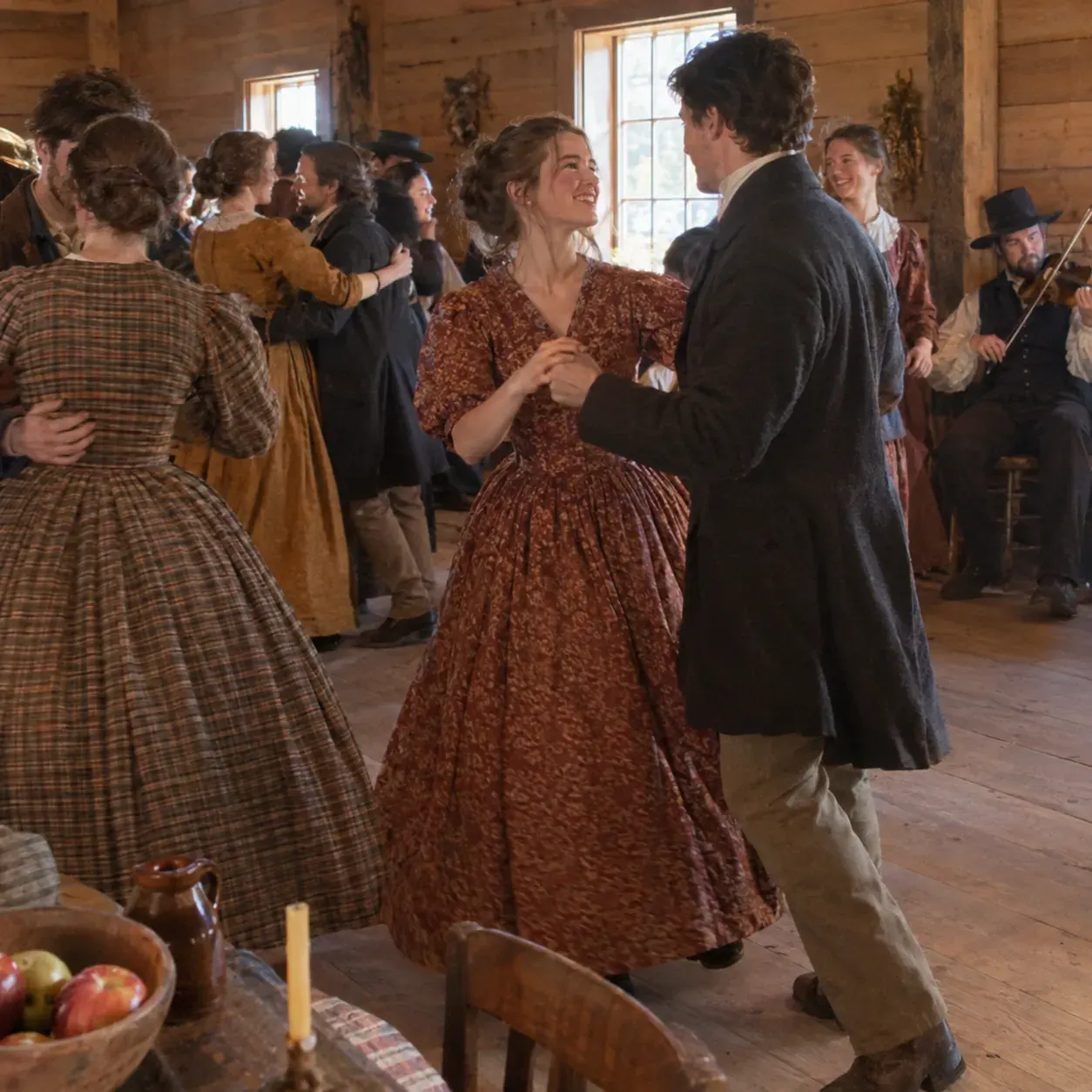
Ithamer Brigham got a ticket. It invited him to a “Thanksgiving Ball” at “the Hall of George W. Cushmans on the twenty fifth of November at two o’clock,” arranged by the Cushman family and local merchants, Dixie Stone among them.
That 1825 ticket survives at the Bridgton Historical Society in Maine.
Whether Ithamer danced, nobody can say. Balls like his were common enough that the Connecticut Mirror announced in 1825: “This is the night for Thanksgiving balls, in the villages around, and many a ticket has been printed here with always a verse to it, sometimes written by the managers.”
A dance ticket with a poem on it deserves a comeback.
On November 24, 1847, the Middlesex Hotel in Concord, Massachusetts, held a Thanksgiving ball with Kittredges’ Quadrille Band. Tickets cost $2.50.
10. A chicken pie the size of your gratitude
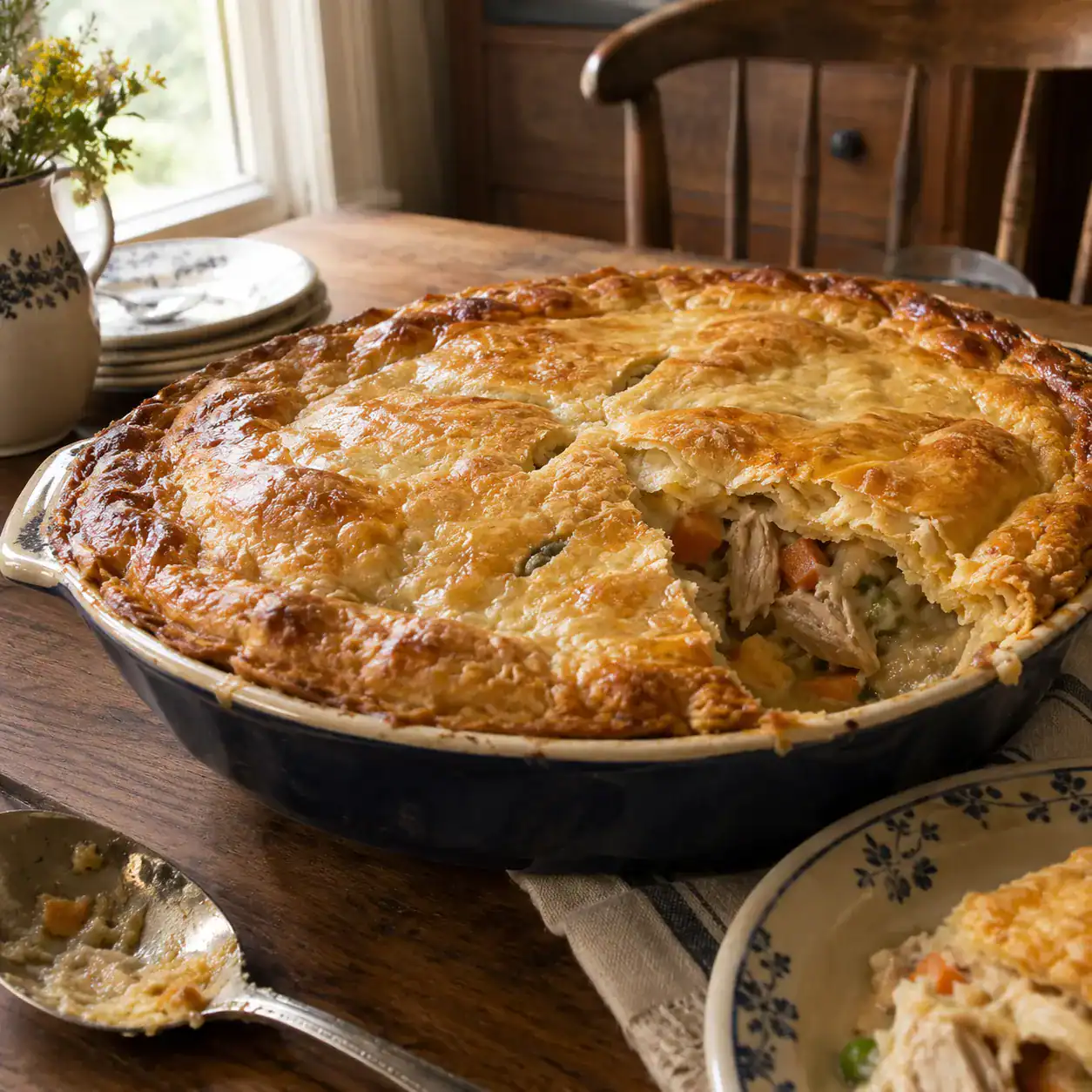
In Hale’s Northwood, the turkey wasn’t the star.
It sat “at the head of the table,” but the middle belonged to “that rich burgomaster of the provisions, called a chicken pie,” which was, “like the celebrated pumpkin pie, an indispensable part of a good and true Yankee Thanksgiving.”
Then comes the best line in the book: “the size of the pie usually denoting the gratitude of the party who prepares the feast.”
Around it, in Hale’s telling, sat a sirloin of beef, a leg of pork, a joint of mutton, a goose and a pair of ducklings.
A chicken pie big enough to say thank you is one of the easier revivals here.
11. Sending your extra to the neighbors
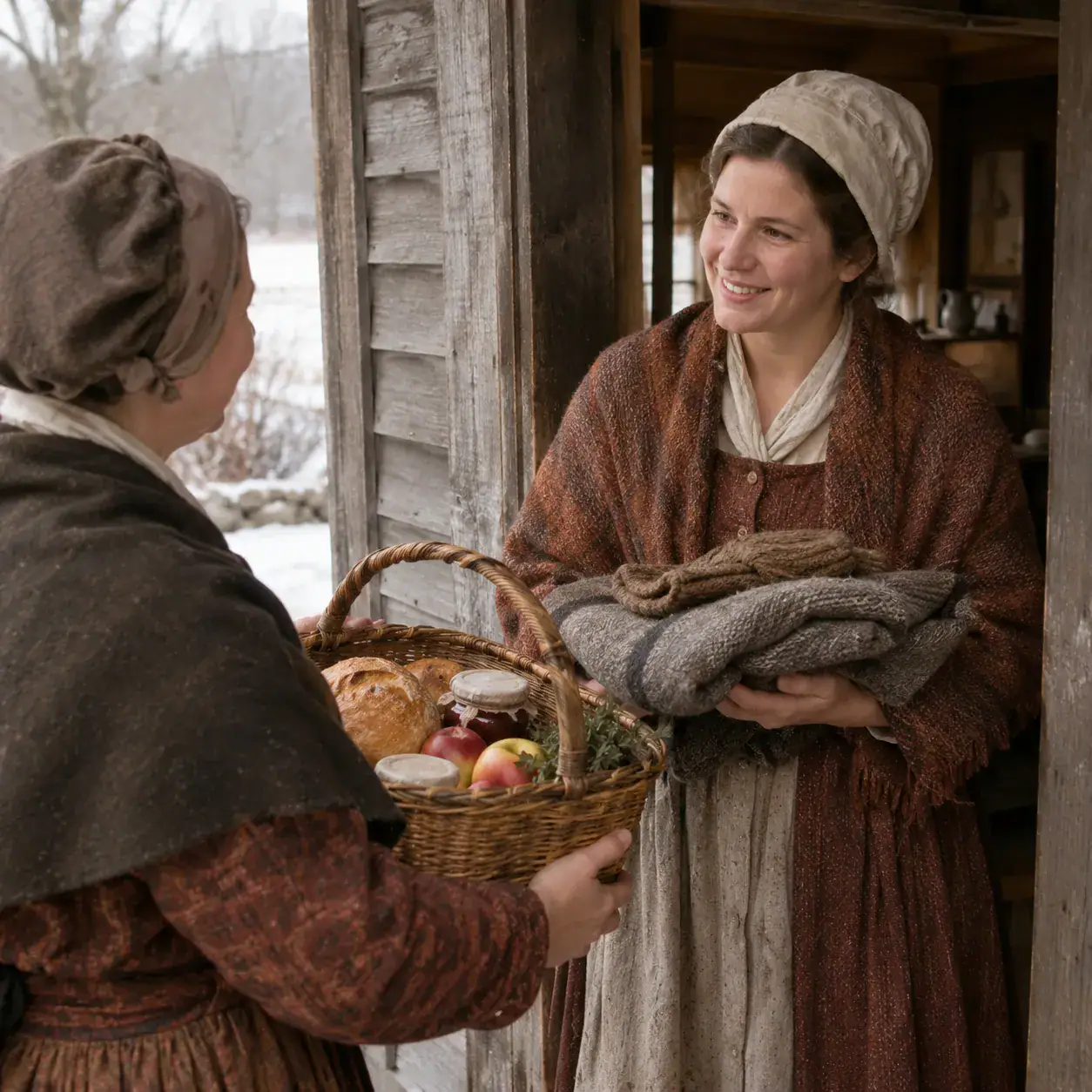
At Thanksgiving in 1825 rural New England, families with plenty looked after families without.
The Connecticut Mirror described parents who “send from their abundance, to their poor neighbors. Clothes and quarters of beef and book, wood, school books for their children, and dozens of other charities are bestowed to suit the wants of the poor in the coming winter.”
The minister was looked after too. “The Farmers vie with each other in getting the best cord of walnut for their minister, and the richest Squire sends him the fattest turkey.”
Even the minister’s wife was “remembered,” with “a tribute of yarn.”
Of everything here, this custom needs the least updating.
12. Saving the wishbone
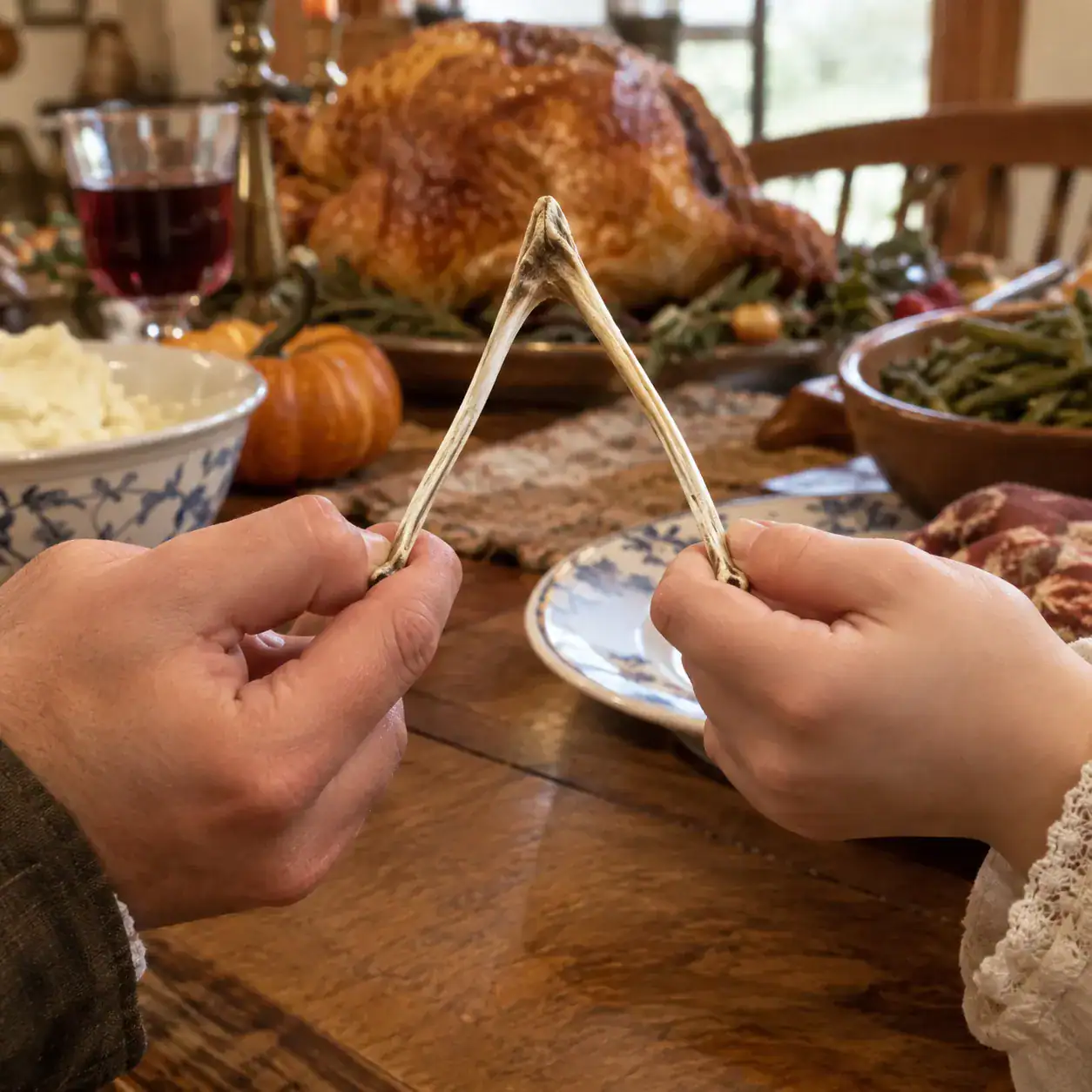
The wishbone comes with a grand origin story and very little proof. The story goes that the Etruscans used birds as oracles, the Romans fought over the bones, and “lucky break” came from there.
No solid evidence backs it, and the claim that the Pilgrims brought the custom over is unsupported too.
The paper trail is later and homier. The term “wish bone” shows up in the Vermont Phoenix in 1839: “the first ‘wish bone’ and challenged him to break it with her.”
In England the bone had long been the “merrythought,” and in the South it was the “pully bone” or “pulling bone.” Thanksgiving wishbone stories appear by the 1840s and 1850s.
The proper method: the bone was “first dried and then held between the little fingers.” So the wish had to wait.
13. Mailing Thanksgiving postcards
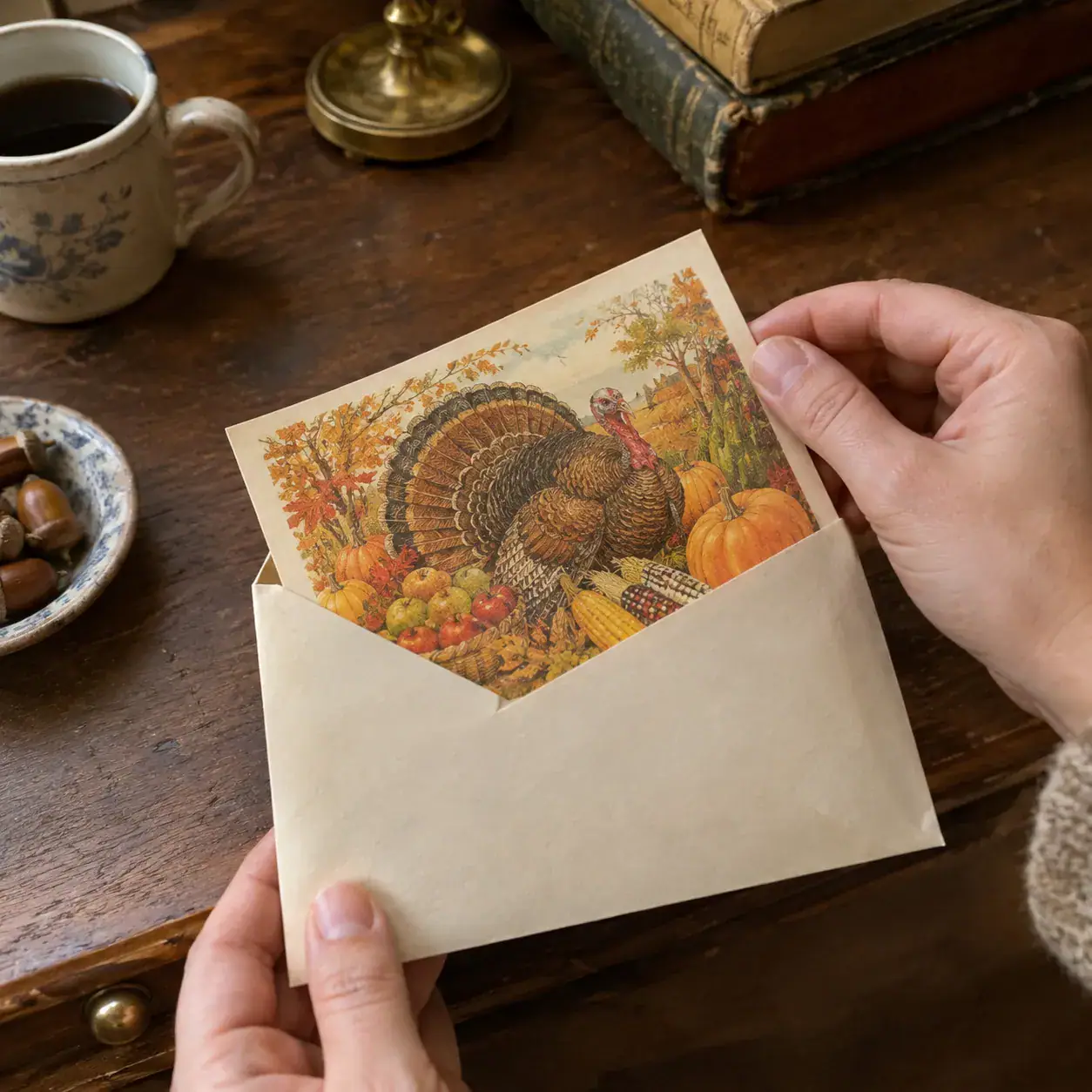
Thanksgiving used to arrive in the mailbox. The New York State Library describes most Thanksgiving postcards as colorful lithographs made between 1898 and 1918, full of turkeys, Pilgrims, dinner tables, flags and Uncle Sam.
Artists such as Ellen Clapsaddle and Frances Brundage drew them.
The American postcard’s golden age began around 1905, peaked from 1907 to 1910 and ended with World War I. In the year ending June 30, 1908, nearly 700 million postcards of all kinds went through the mail.
Some designs were wonderfully odd. One card at Central Michigan University’s Clarke Historical Library shows a turkey pulling a pumpkin with a fairy in it.
The library’s own write-up asked the only reasonable question: “Why?”
14. A whole second day just for fun
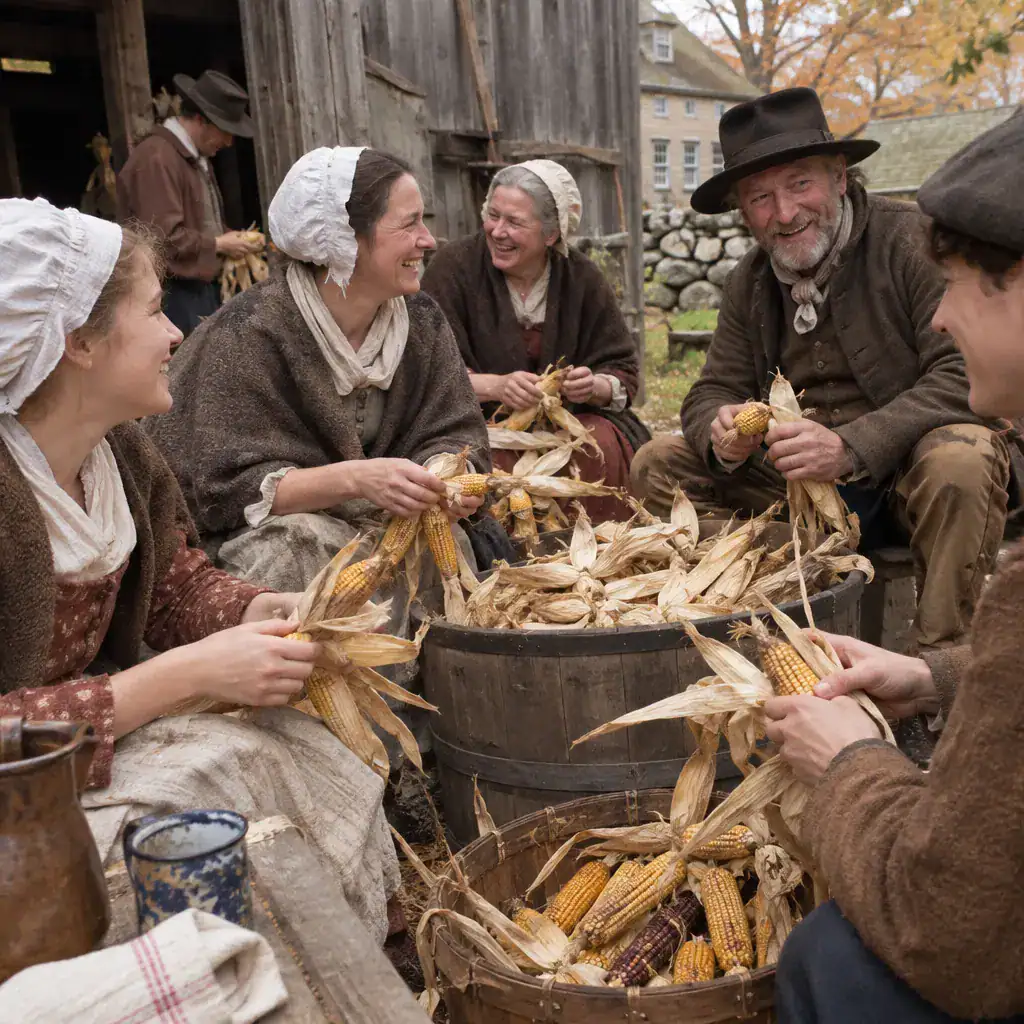
In 1820s rural New England, the Bridgton Historical Society notes, Thanksgiving was typically divided over two days.
The first was solemn: prayer, church, family. The second was for “corn-husking bees, skating parties, spelling competitions, and public balls and dances.”
The Connecticut Mirror’s 1825 list of day-after amusements included “visiting the neighbours, and taking a near view of the eclipsed luxuries of the day before.” Leftovers, in other words.
Then the sweetest line: “The ladies are allowed to sit up rather late with their sparks, and the little boys, if there be safe ice in the neighborhood, may skate till nine o’clock.” Sparks were beaus.
The day after Thanksgiving now belongs to shopping. A spelling match and a late night on the porch would be a better use of it.
15. Oyster stuffing
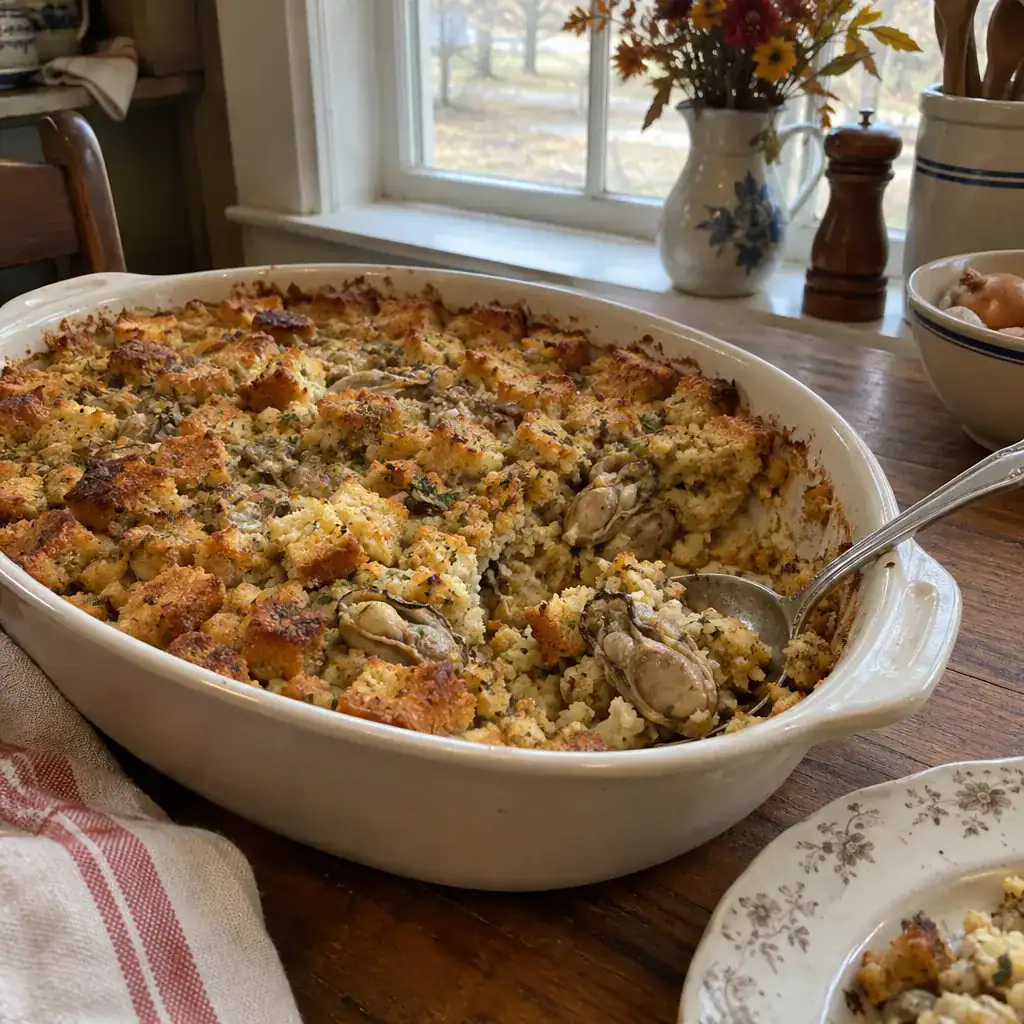
Oysters inside the turkey sounds like a splurge. It was ordinary. Oyster dressing came out of British cookery and was common in early American cookbooks.
Oysters were cheap and plentiful, and once insulated boxcars arrived around 1850, they traveled inland too.
By one estimate, New Yorkers in the 1800s ate roughly 600 oysters per person, per year. The railroads put them on the holiday menu.
The Pullman Company served oyster dressing inside its Thanksgiving turkeys, and the Union Pacific did the same but called it “stuffing.”
Oyster eating fell off by the 1920s, thanks to overharvesting and other factors. If your family comes from the Gulf Coast or parts of the Eastern Seaboard, you may never have stopped making it.
16. The turkey shoot
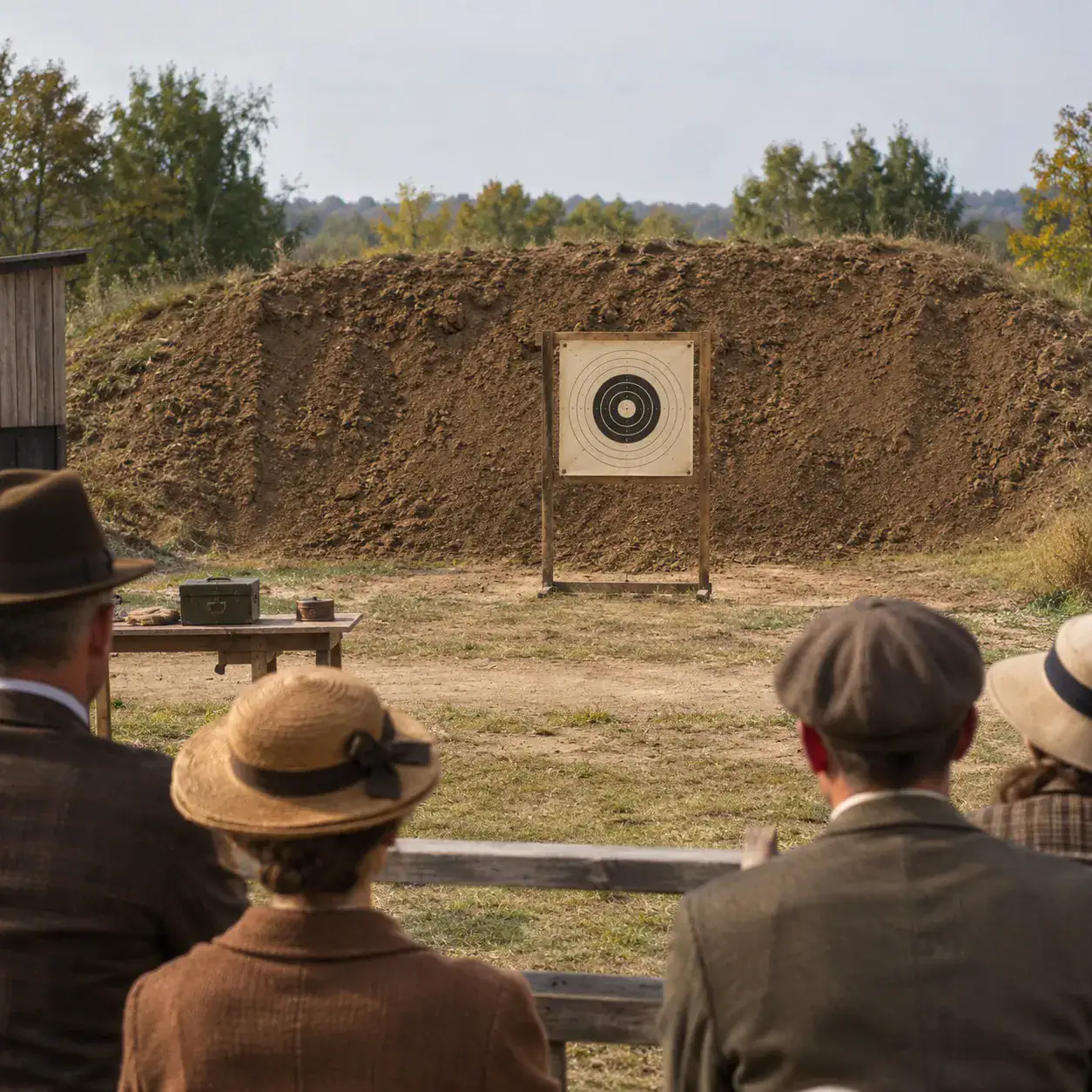
Long before football, the afternoon entertainment had a gun in it. “Shooting matches were the traditional after-dinner entertainment, much as football games are today,” as one Old Sturbridge Village account puts it.
The prizes were turkeys, bound for Thanksgiving, Christmas and New Year’s tables.
James Fenimore Cooper’s 1823 novel The Pioneers already calls one an “ancient amusement,” though his is set at Christmas. In 1825, the Connecticut Mirror listed “shooting turkeys and hens” among the day-after pastimes.
The earliest shoots used a live, restrained bird as the target. Over time, many moved to paper targets, with prize birds handed out by score.
That version still runs in parts of the rural United States, and it’s the one worth keeping.
17. Handmade table decorations
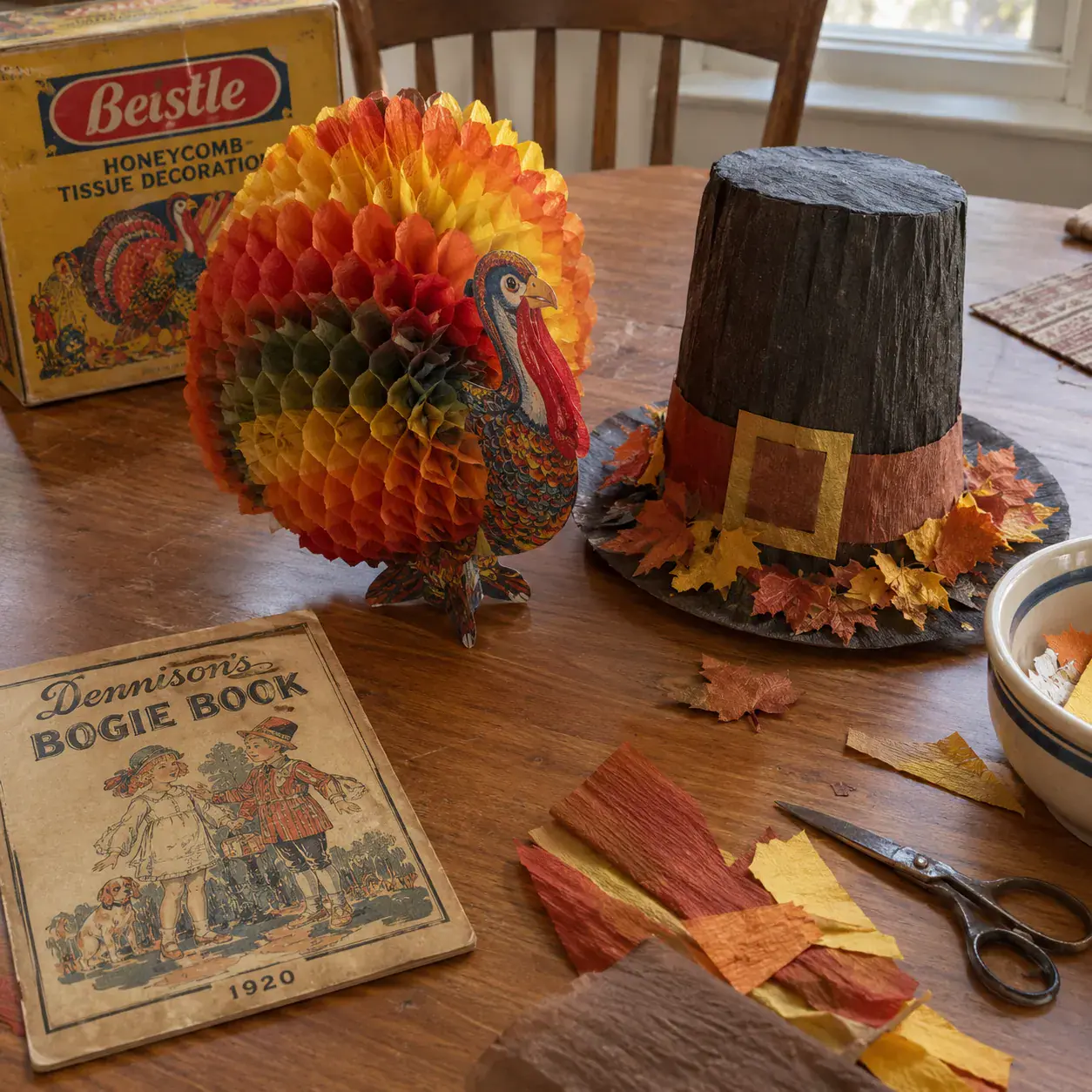
In 1920, a crepe-paper company had firm views on your Thanksgiving table.
Dennison’s Bogie Book, from Dennison Manufacturing, declared that “the Thanksgiving dinner is always a rather formal affair,” with decorations “confined to a centerpiece, serving cups for the nuts or bon bons and place cards.”
The centerpiece was where the fun went. The book suggested one “in the shape of a Pilgrim hat, decked with autumn leaves and with a proud turkey atop,” with small favors hidden underneath on ribbons that ran to each place.
Then came the honeycomb turkeys. Martin Luther Beistle’s company in Pennsylvania was, by 1910, the first American maker of honeycomb tissue decorations, and in the 1920s it made fold-out honeycomb turkeys for Thanksgiving tables.
They folded flat for storage and opened into a plump paper bird.
18. Gathering around the radio for the Lions game
College teams got there first. Yale played Princeton on Thanksgiving in 1876 in Hoboken, New Jersey, and won 2–0.
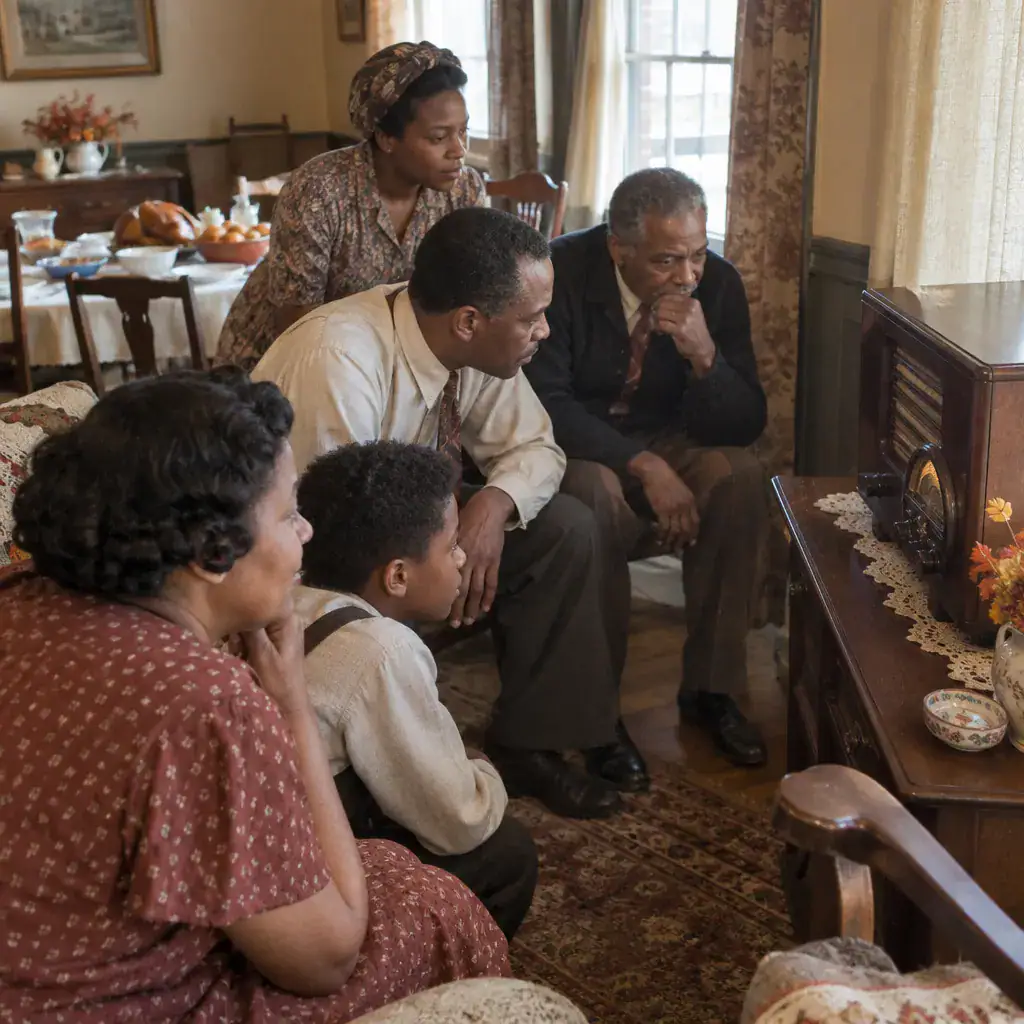
The pro version began with a radio man. On November 29, 1934, Detroit Lions owner George A. Richards, a radio executive, hosted the unbeaten Chicago Bears.
About 26,000 fans came, and NBC carried the game on a 94-station radio network, an NFL first.
The Bears won 19–16, and the Lions have hosted on Thanksgiving every year since, apart from 1939–44.
For the families who tuned in that first year, the game came through a speaker, not a screen. A game you only hear leaves your eyes free for the people at the table.
19. Chasing parade balloons for a reward
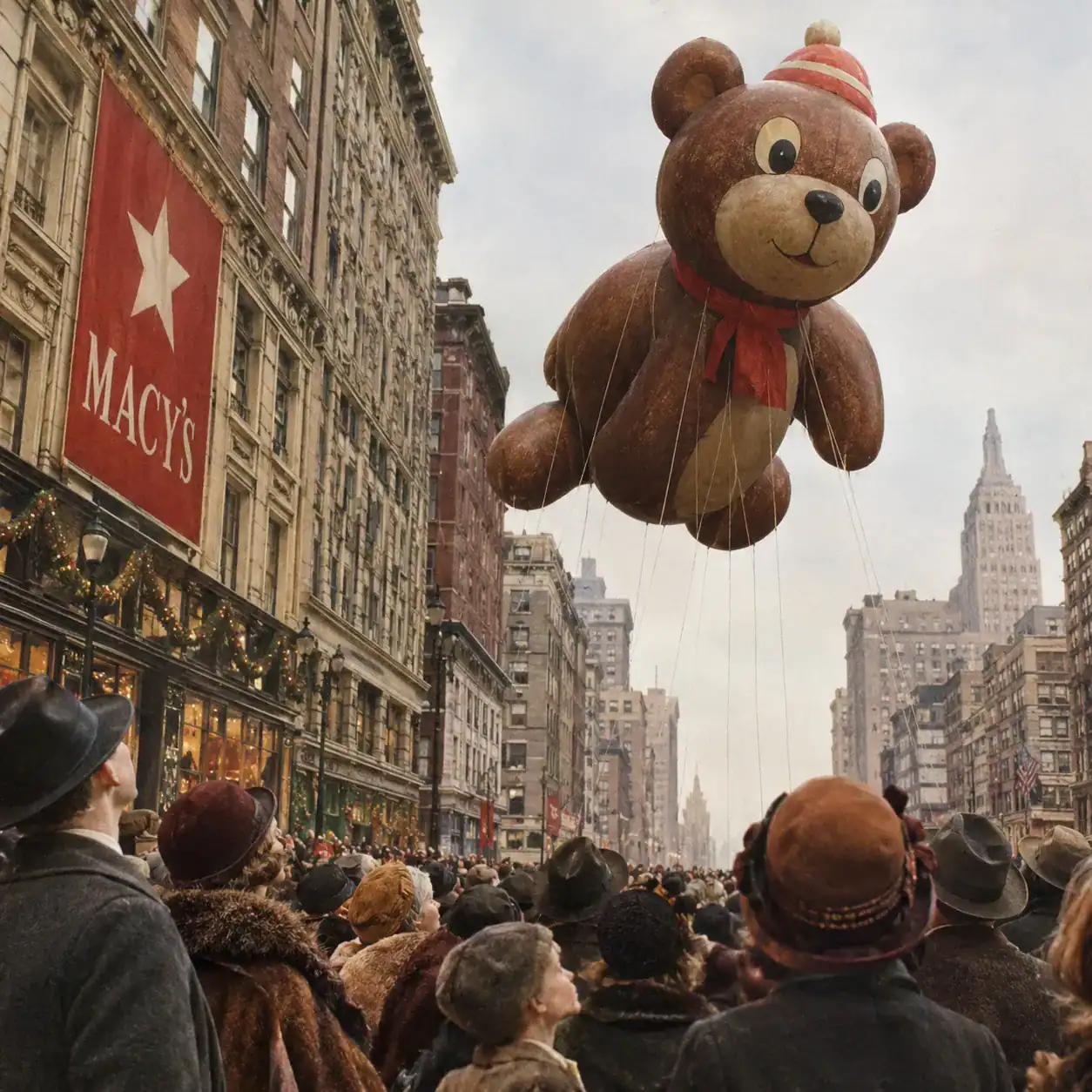
Starting in 1928, Macy’s filled its parade balloons with helium and, after the parade, let them go, carrying a return address and a reward, reportedly $100.
If your great-grandparents were around New York then, they may have watched the sky. When the “Sky Tiger” came down on Long Island, The New York Times reported, “a tug of war ensued for its possession.”
Another was found “broken in half and floating in the East River, ‘pursued by two tugboats.'” In 1931 a hippo balloon was “believed to be ‘soaring somewhere over the ocean,'” and “the reward for its return has been multiplied by four.”
In 1932 the Tom Cat balloon met a small plane flown by a 22-year-old woman over Jamaica, Queens. “The left wing of the plane smacked against the balloon fabric that was Tom’s hide.”
After that collision, the releases stopped. A prize hunt after the parade, minus the helium, is the safer revival.
20. Running the Turkey Trot
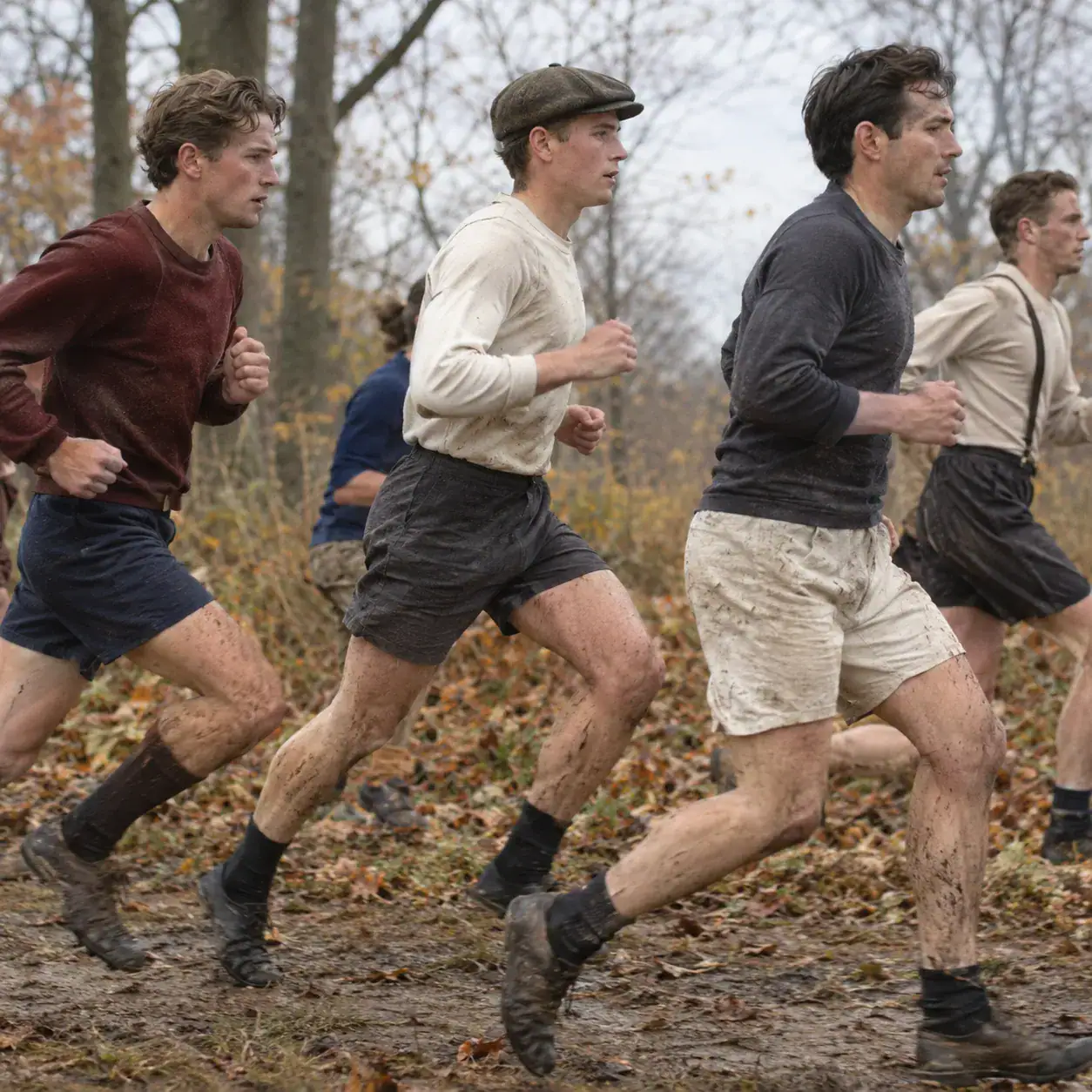
On November 26, 1896, six runners set off in Buffalo, New York, on a five-mile cross-country race. Henry A. Allison won.
That was the first YMCA Turkey Trot, and it has been run every year since, through both world wars, the 1918 flu and 2020.
It’s billed as the oldest continuously run public footrace in North America, a year older than the Boston Marathon.
In 2020 the race received a World Athletics Heritage Plaque.
Fields now run about 14,000. Six runners started it on a Thanksgiving morning, and it never stopped.
The traditions that slipped away
Nobody sat down and decided to stop setting celery in a vase or to let the day after Thanksgiving go quiet. Customs fade one skipped year at a time, until only the habit is left, and then not even that. Bringing one back works the same way in reverse. One year, one table, one small strange thing your family does because someone who loved them did it first.
If an older relative is at your table this year, ask whether they remember celery and olives at Thanksgiving, or a honeycomb paper turkey in the middle of the table. Generational Journeys is an e-book of 170 interview questions to ask relatives.